
Eye Health Library
Clear, patient-friendly guides to common eye conditions — symptoms, causes, prevention, and when to seek help.
70 conditions
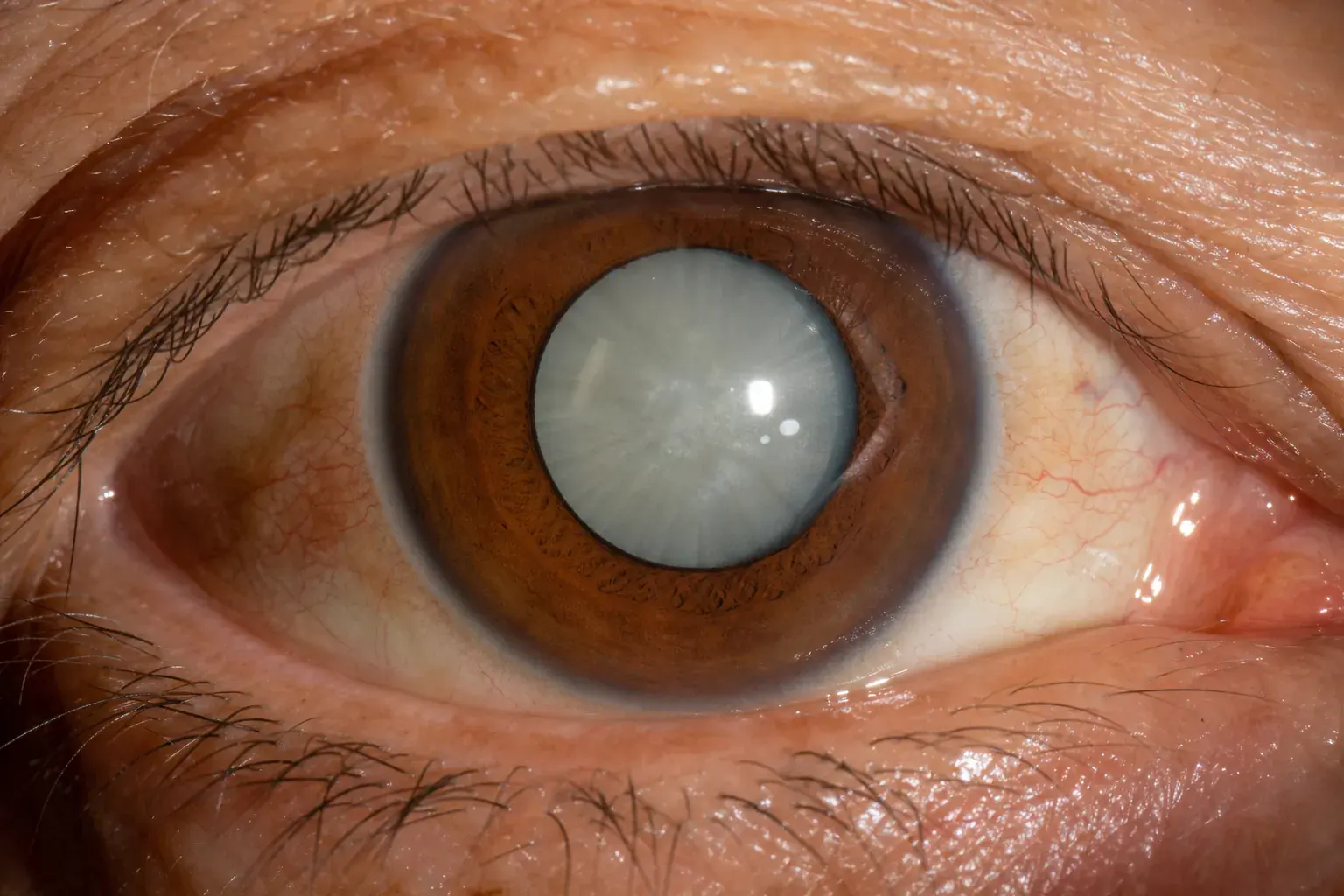
Cataract
Clouding of the natural lens that can make vision blurry, dim, or glare-sensitive.
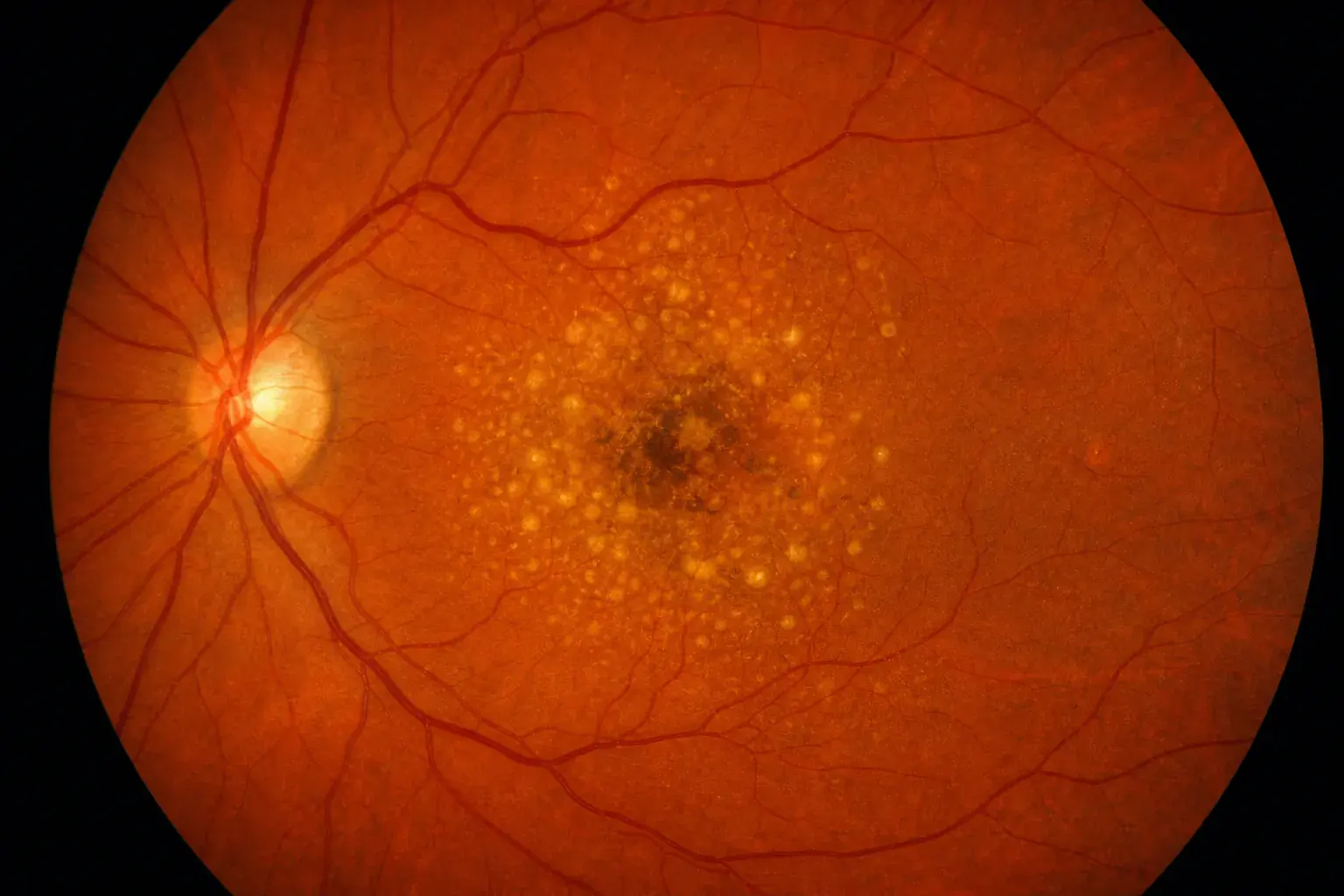
AMD / Age-Related Macular Degeneration
A macula condition that may affect central vision, reading, and detailed tasks.
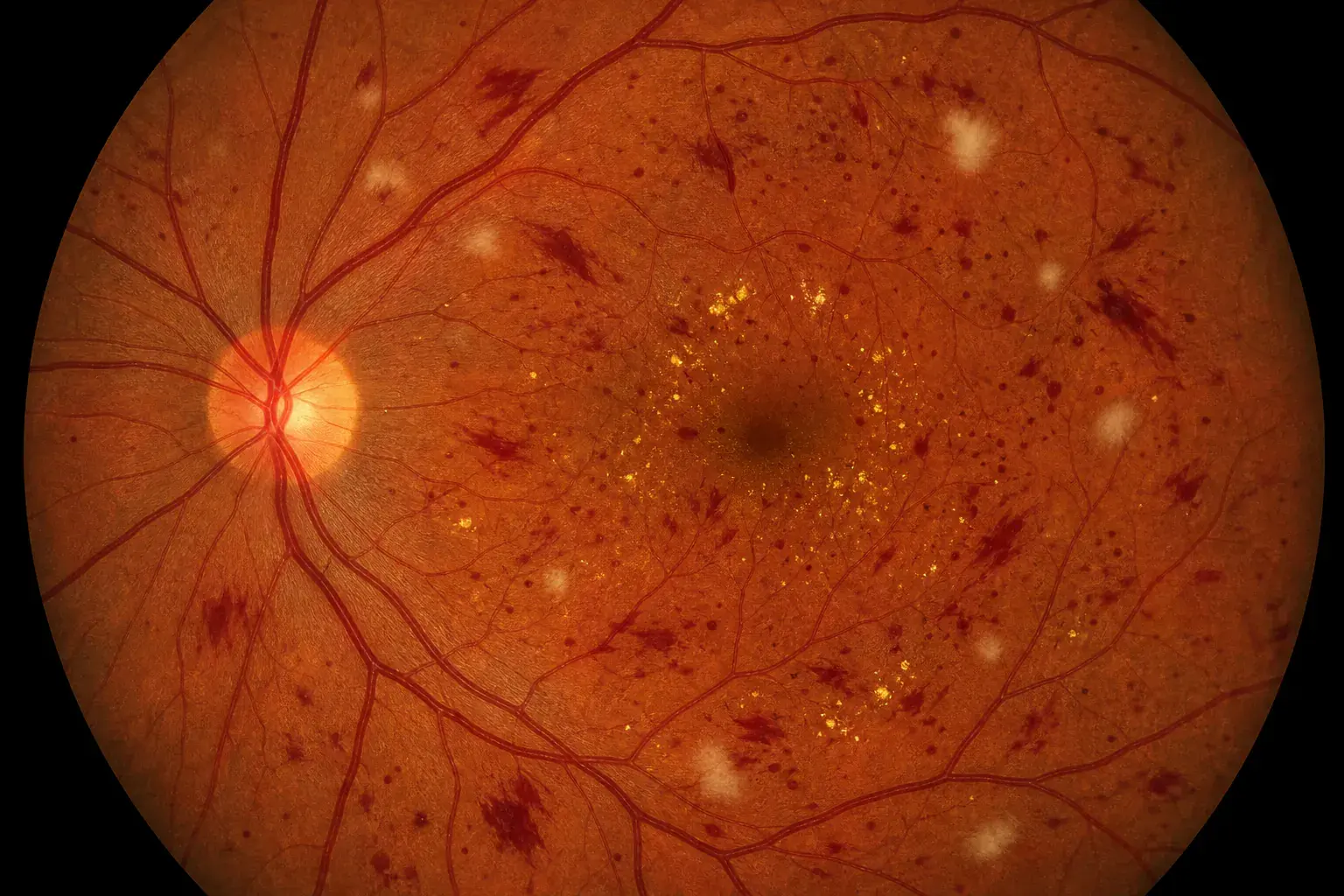
Diabetic Retinopathy
Diabetes-related changes in the retinal blood vessels that need professional monitoring.
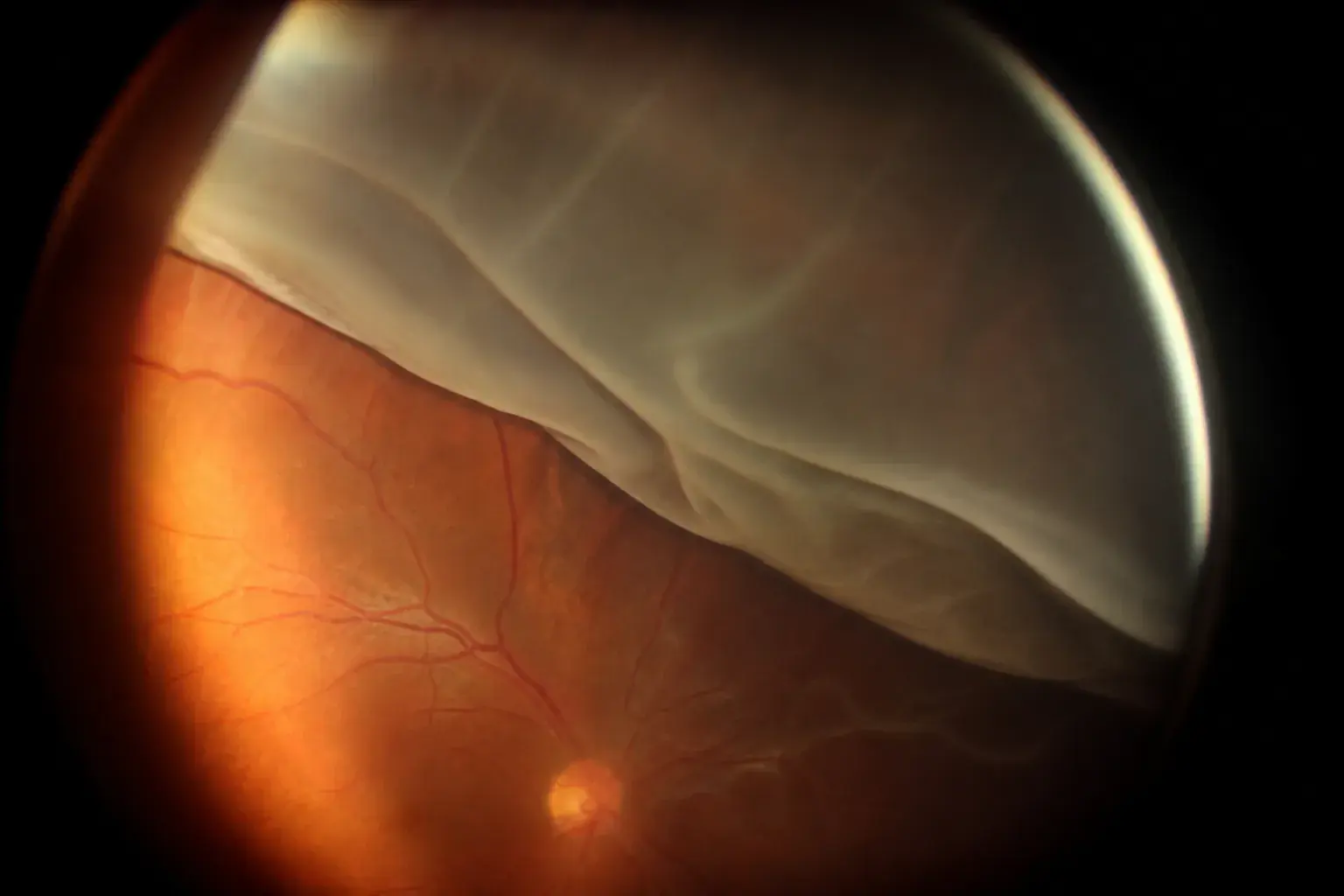
Retinal Detachment
A serious retina problem that can cause flashes, floaters, or a curtain-like shadow.
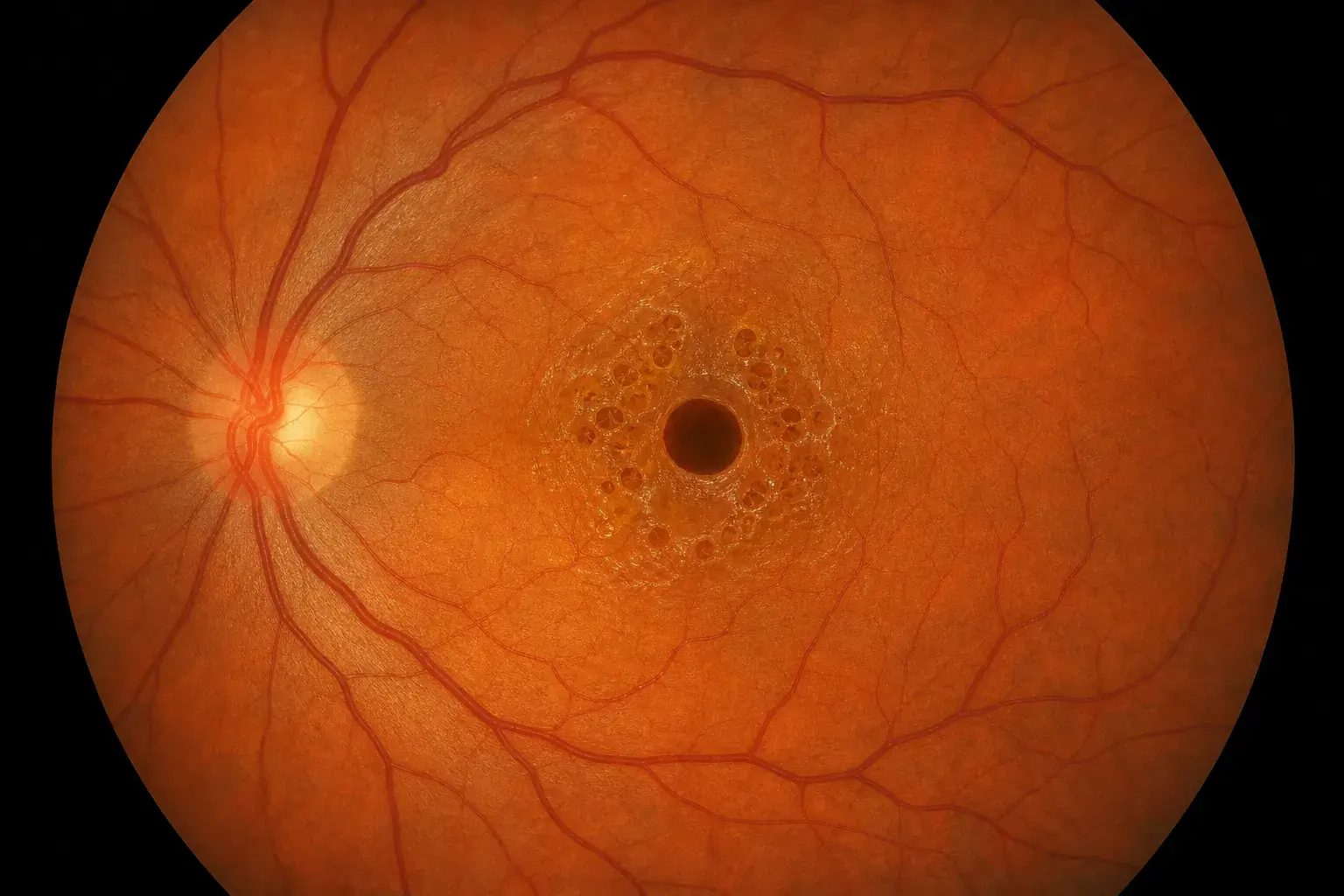
Macular Hole
A central retina opening that can affect reading and straight-ahead vision.
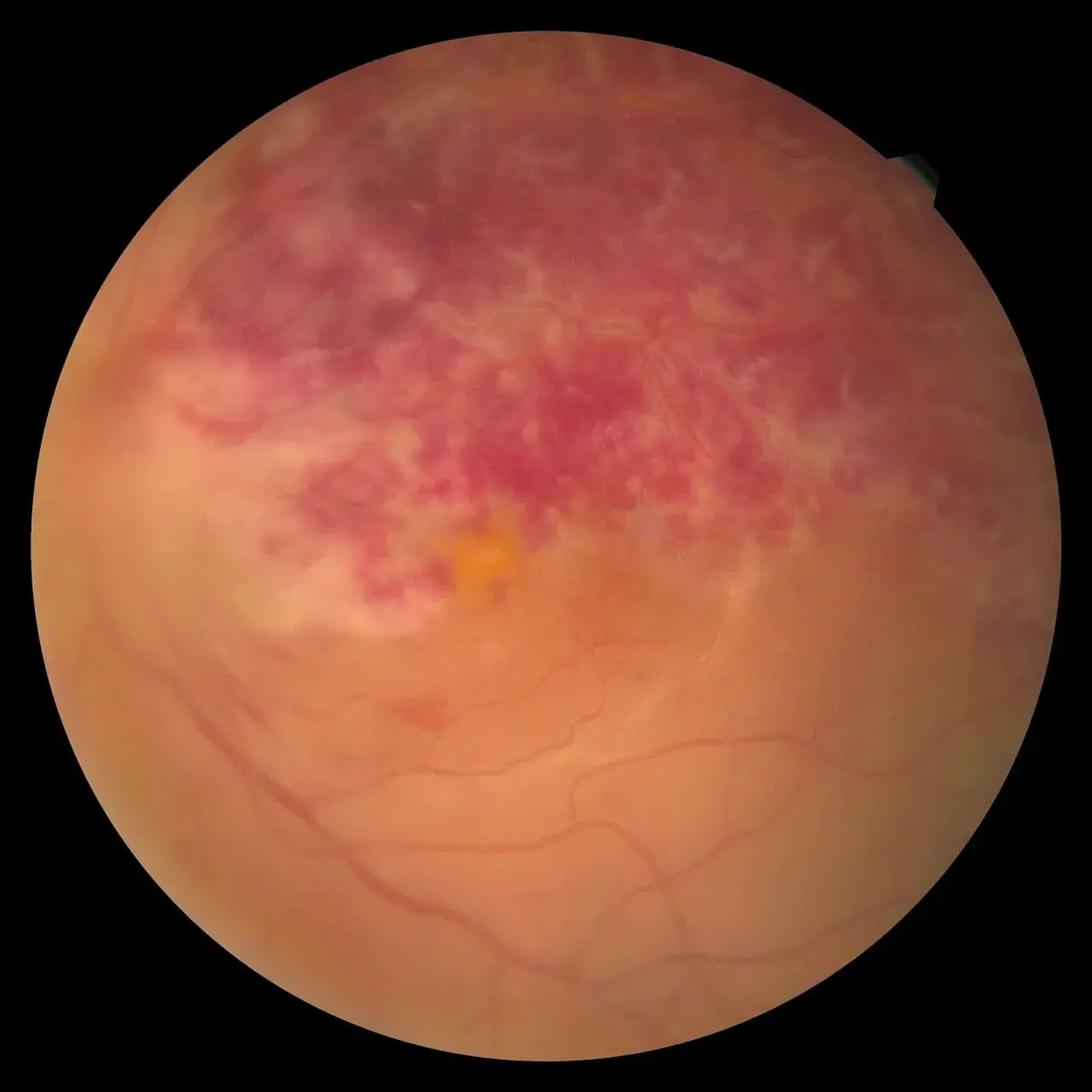
Retinal Vein Occlusion
A blockage in a retinal vein that can affect vision and needs professional care.
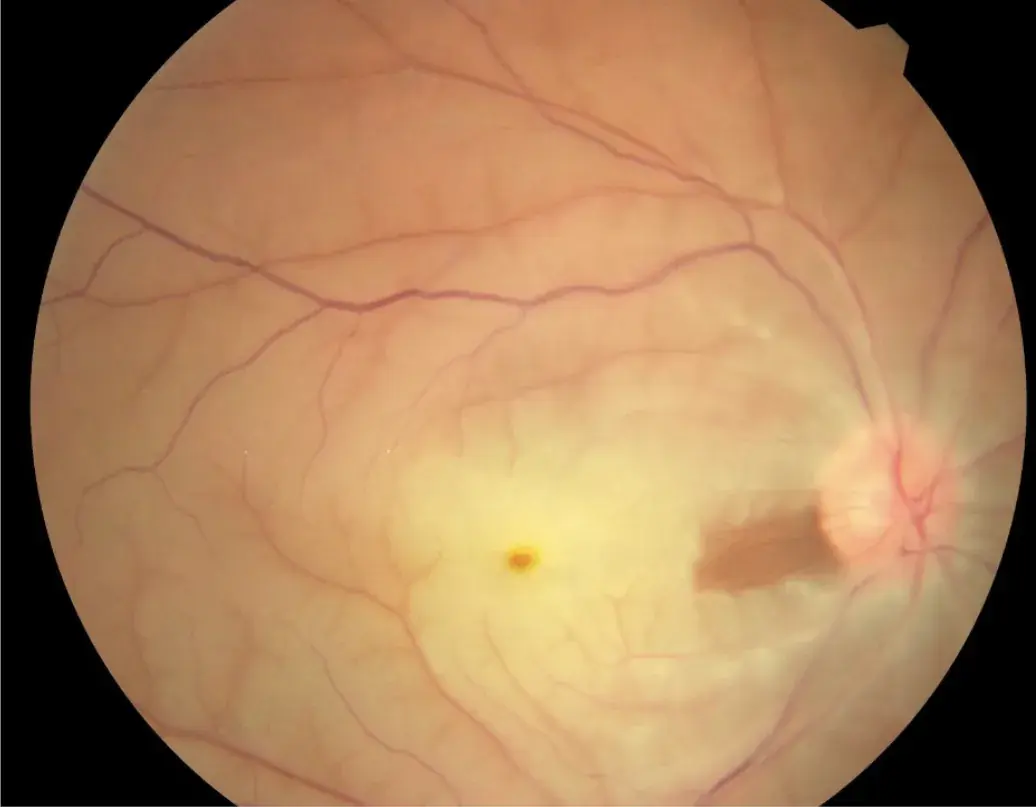
Retinal Artery Occlusion
A sudden blockage of an artery supplying the retina that can cause sudden vision loss and is a medical emergency.
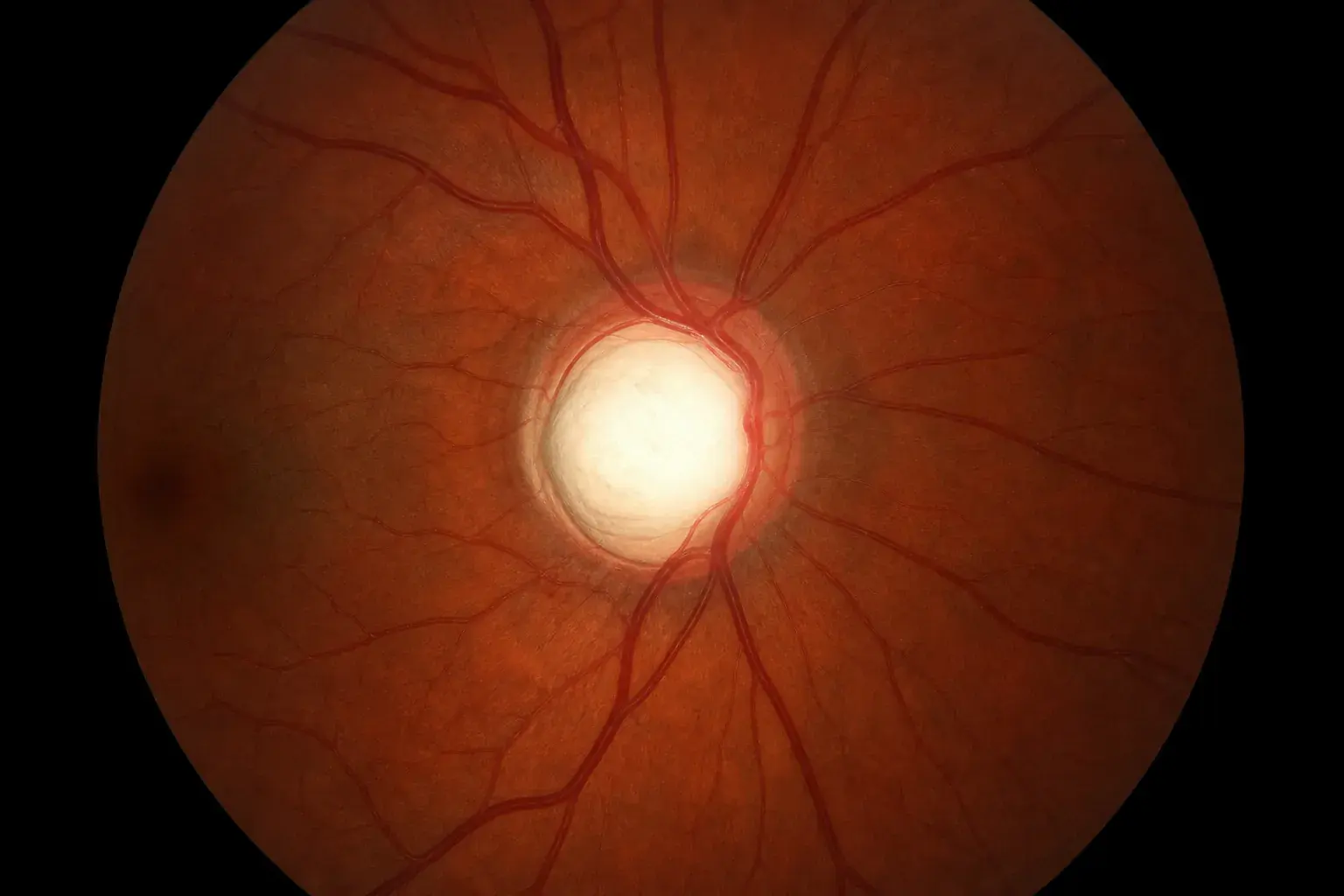
Glaucoma
An optic nerve condition that often needs regular professional monitoring.

Dry Eye Disease
A tear-film and eye-surface comfort problem that can cause dryness, burning, or watering.
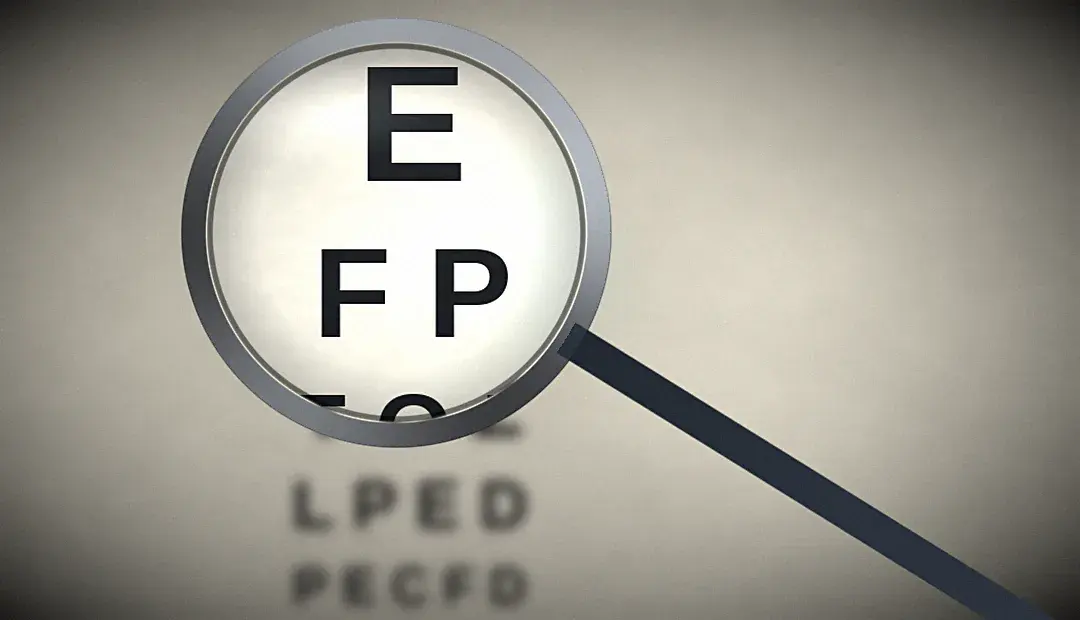
Refractive Error
A focusing issue such as nearsightedness, farsightedness, or astigmatism.
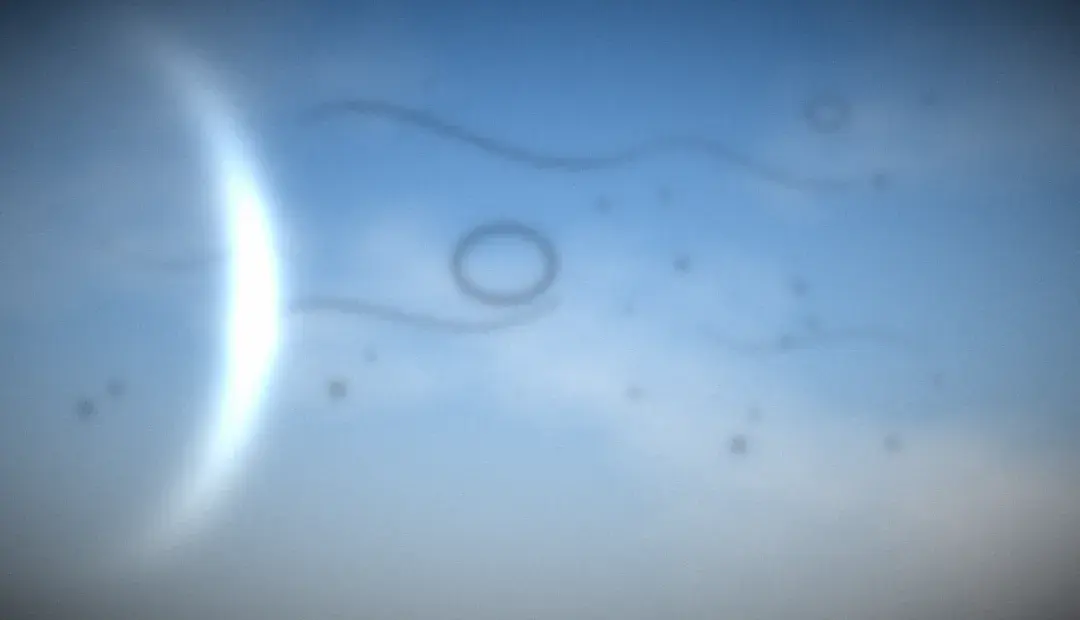
Floaters and Flashes
Spots, strands, or light flashes in vision; sudden changes can sometimes be urgent.
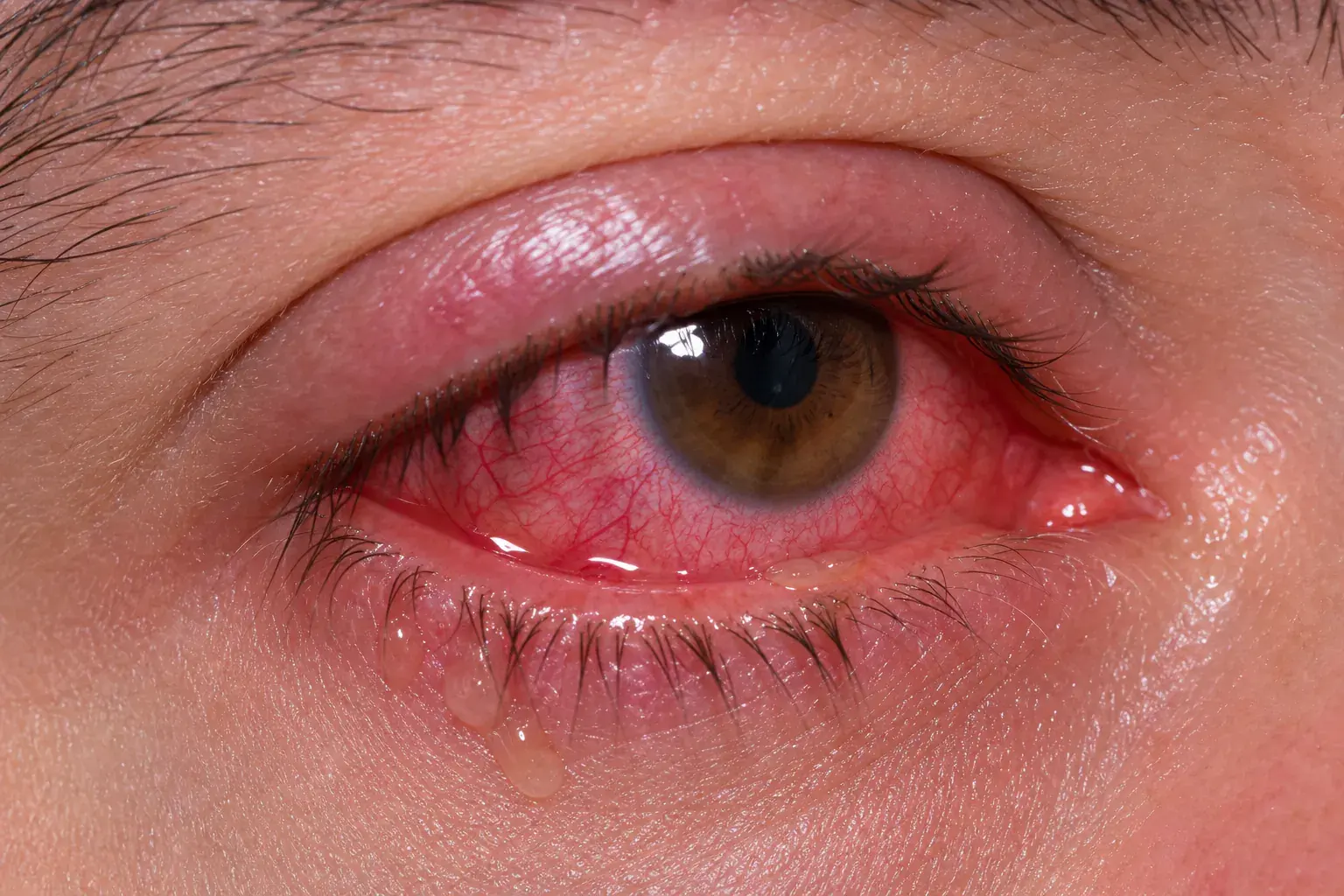
Eye Infection / Red Eye
Redness with irritation, discharge, or discomfort that may need professional review.
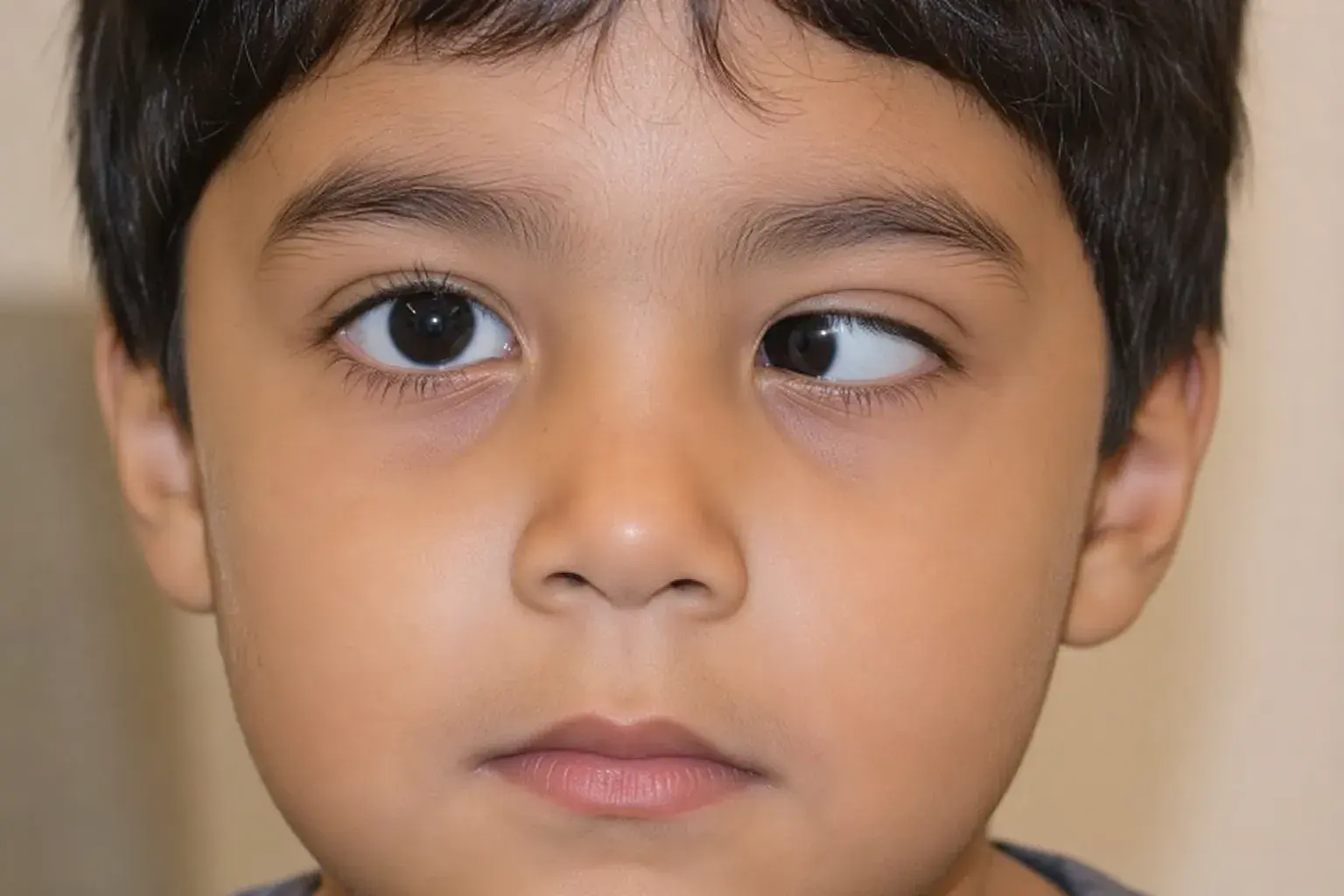
Strabismus
Eye alignment difference where the eyes may not point in the same direction.
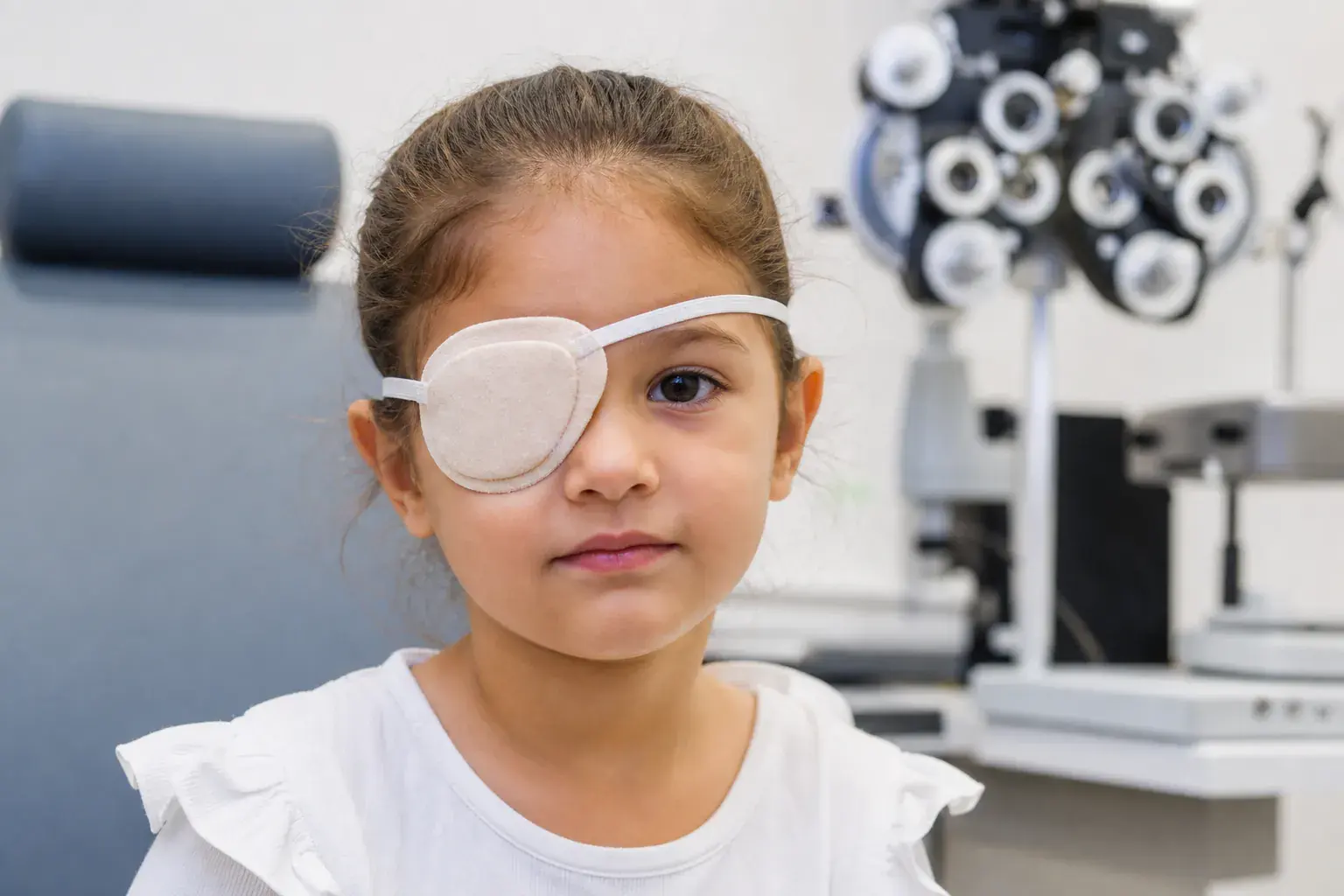
Amblyopia / Lazy Eye
Reduced vision development in one eye during childhood that needs professional assessment.
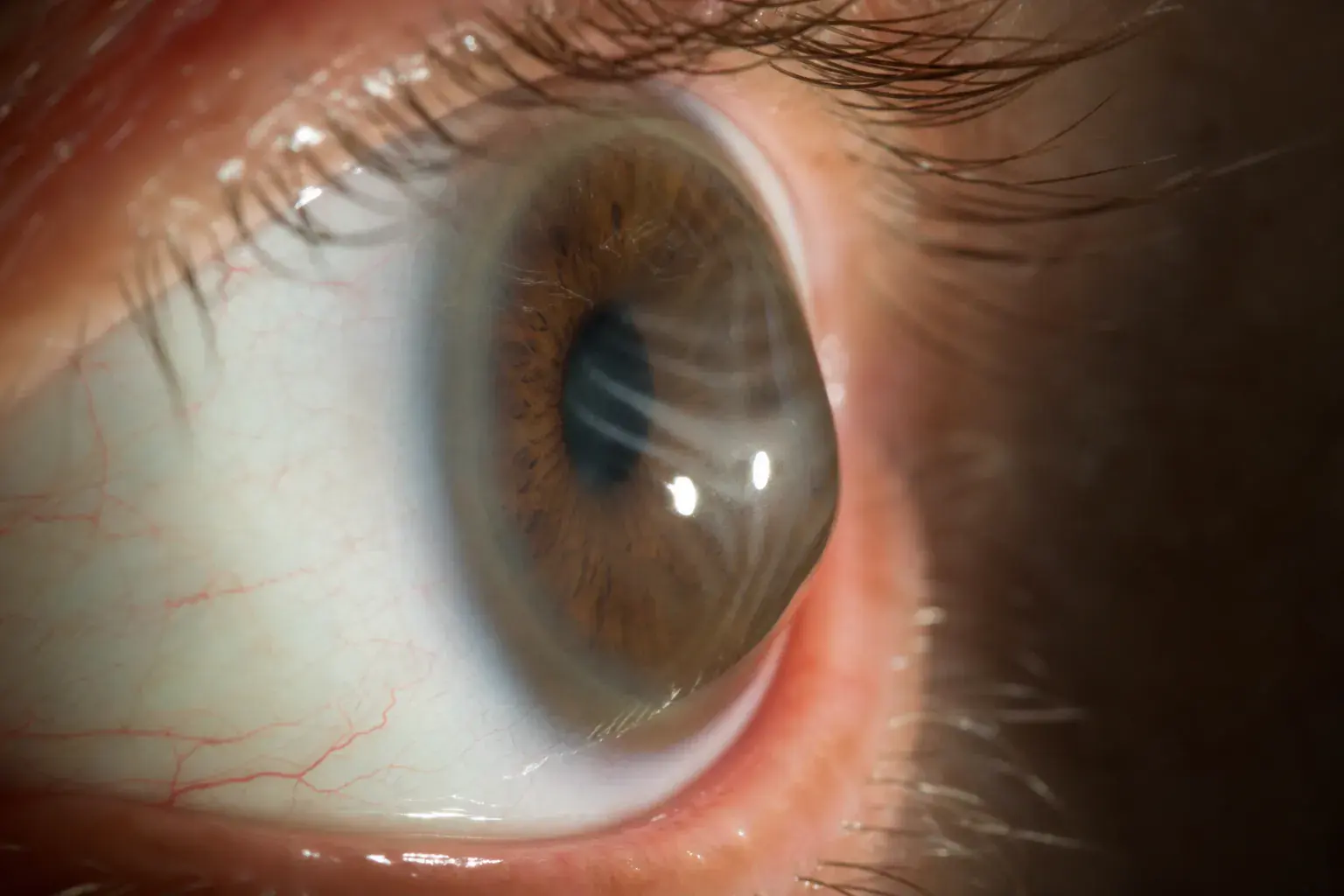
Keratoconus
A cornea shape condition that can cause changing blur, glare, or distorted vision.
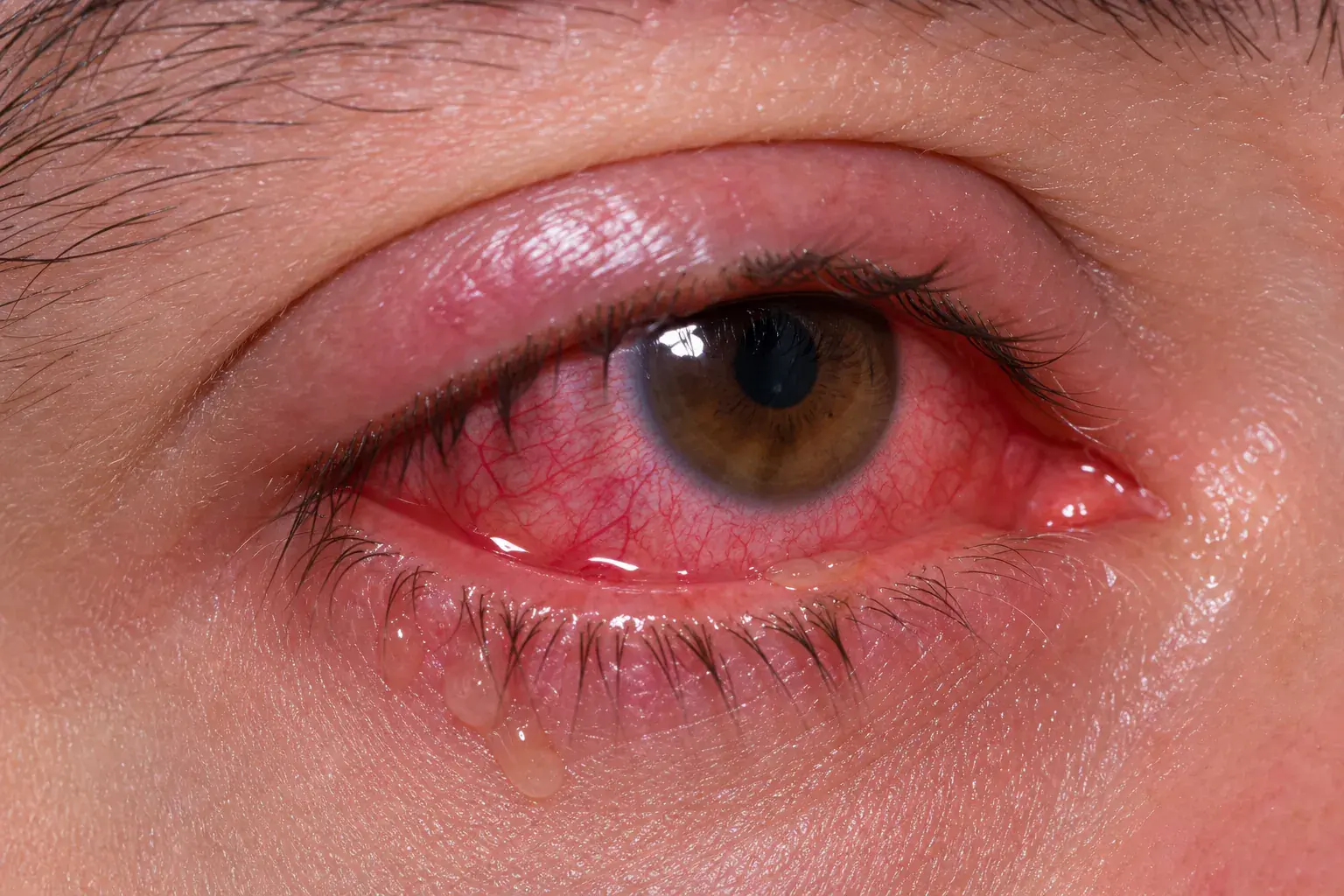
Conjunctivitis
Inflammation of the eye surface lining that can make the eye red or irritated.
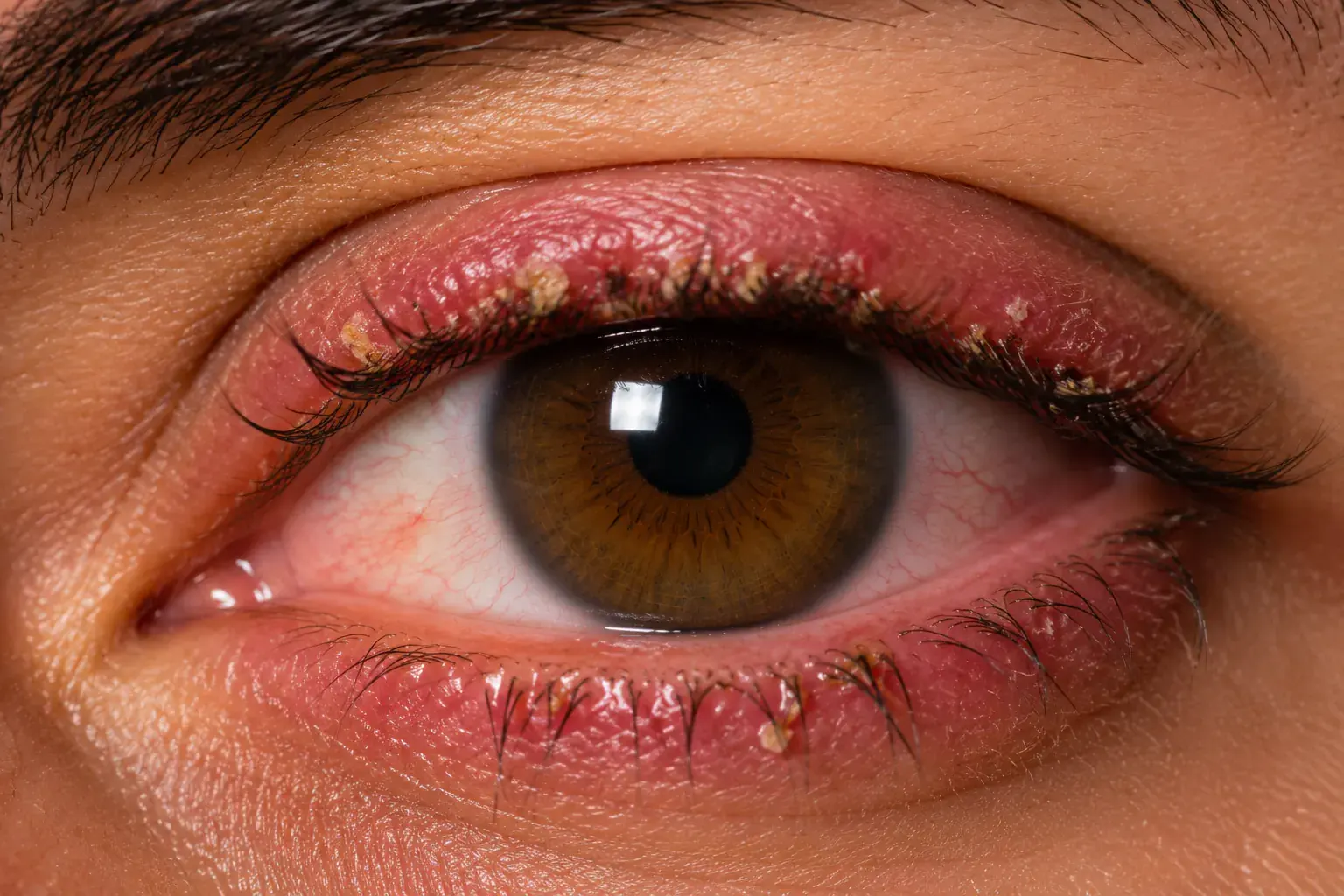
Blepharitis
Eyelid-edge inflammation that can cause crusting, irritation, or dry-eye symptoms.
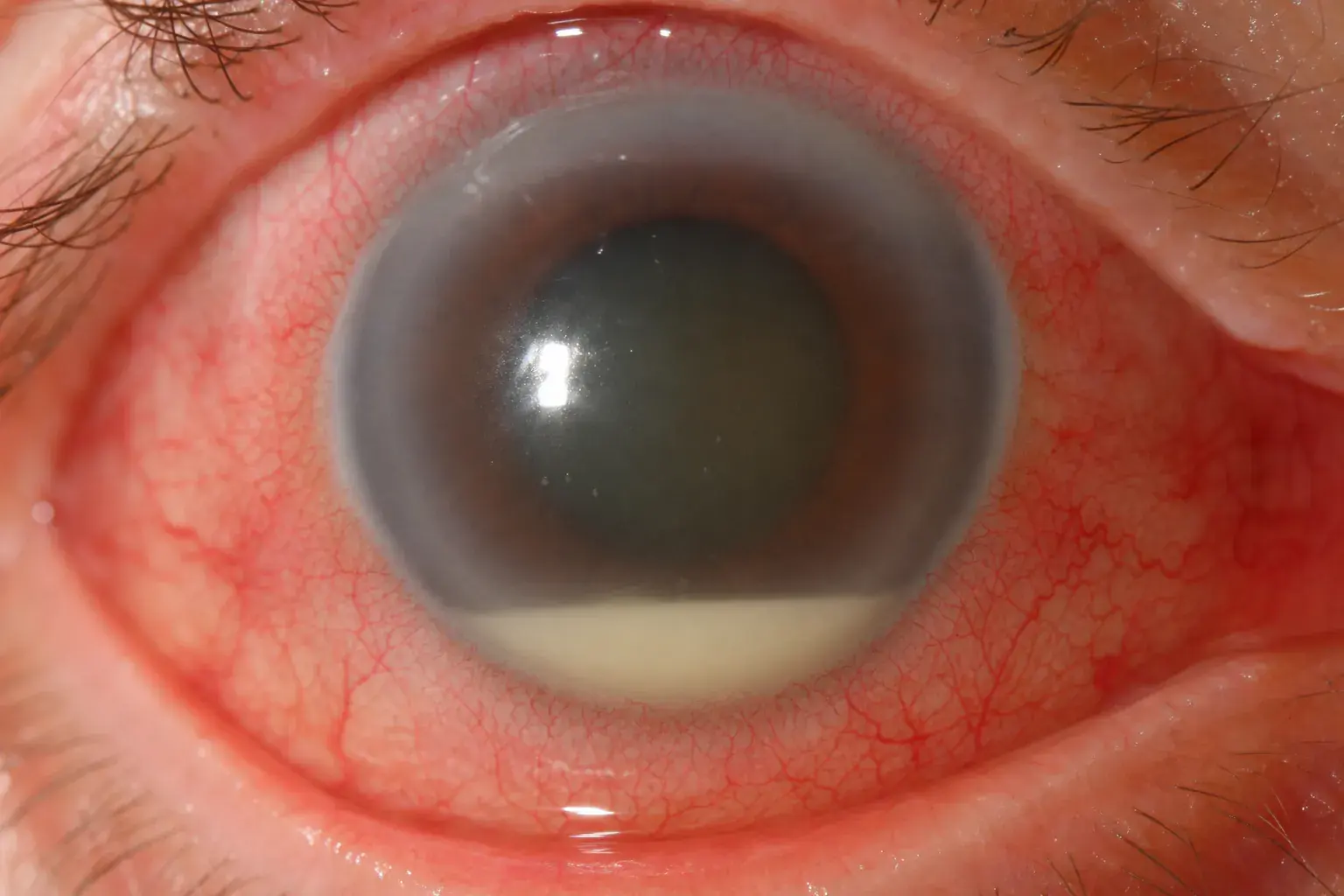
Uveitis
Inflammation inside the eye that may cause pain, redness, blur, or light sensitivity.
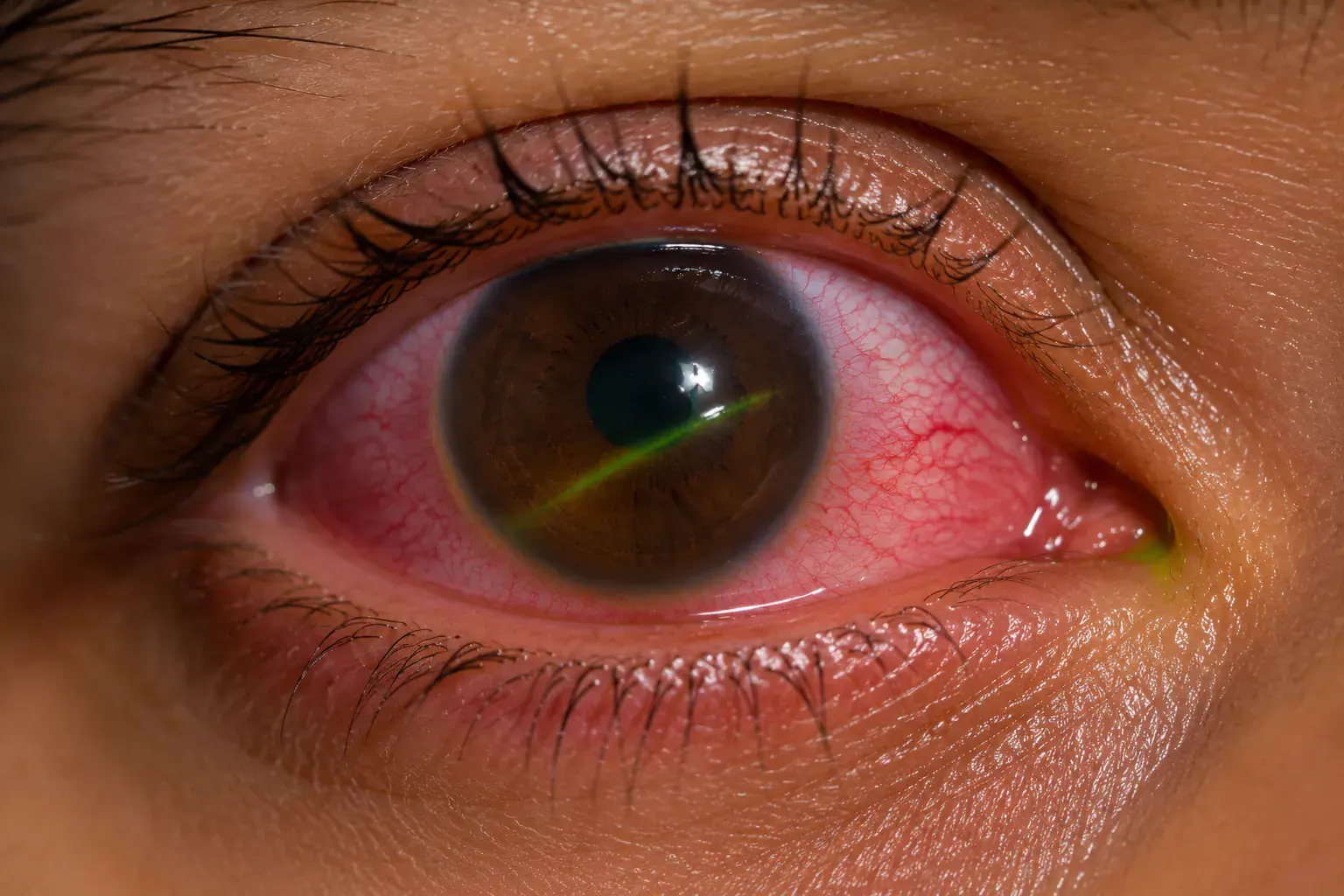
Corneal Abrasion
A scratch on the clear front surface of the eye, often painful or light-sensitive.
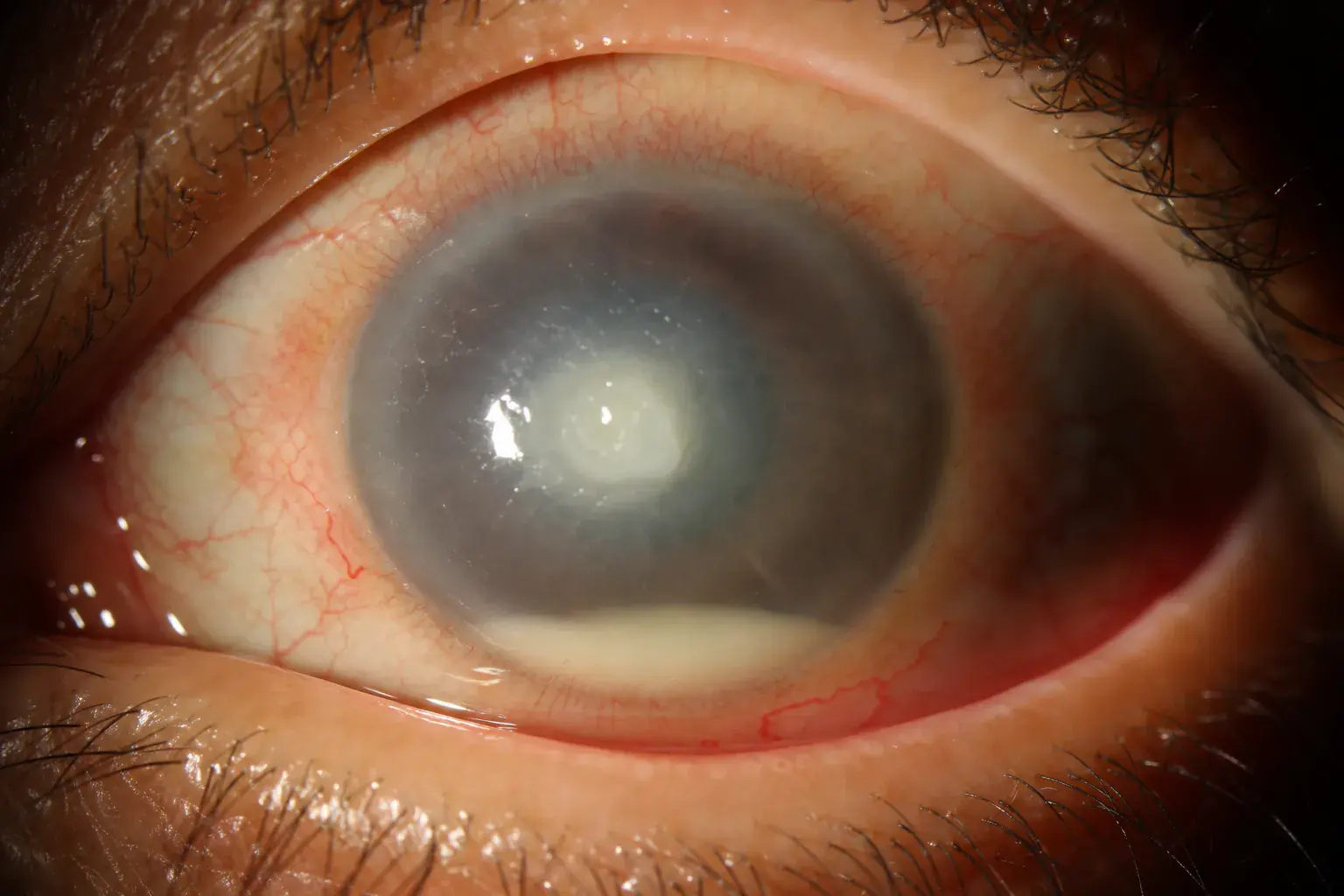
Corneal Ulcer
A serious cornea sore or infection risk, especially with contact lens warning symptoms.
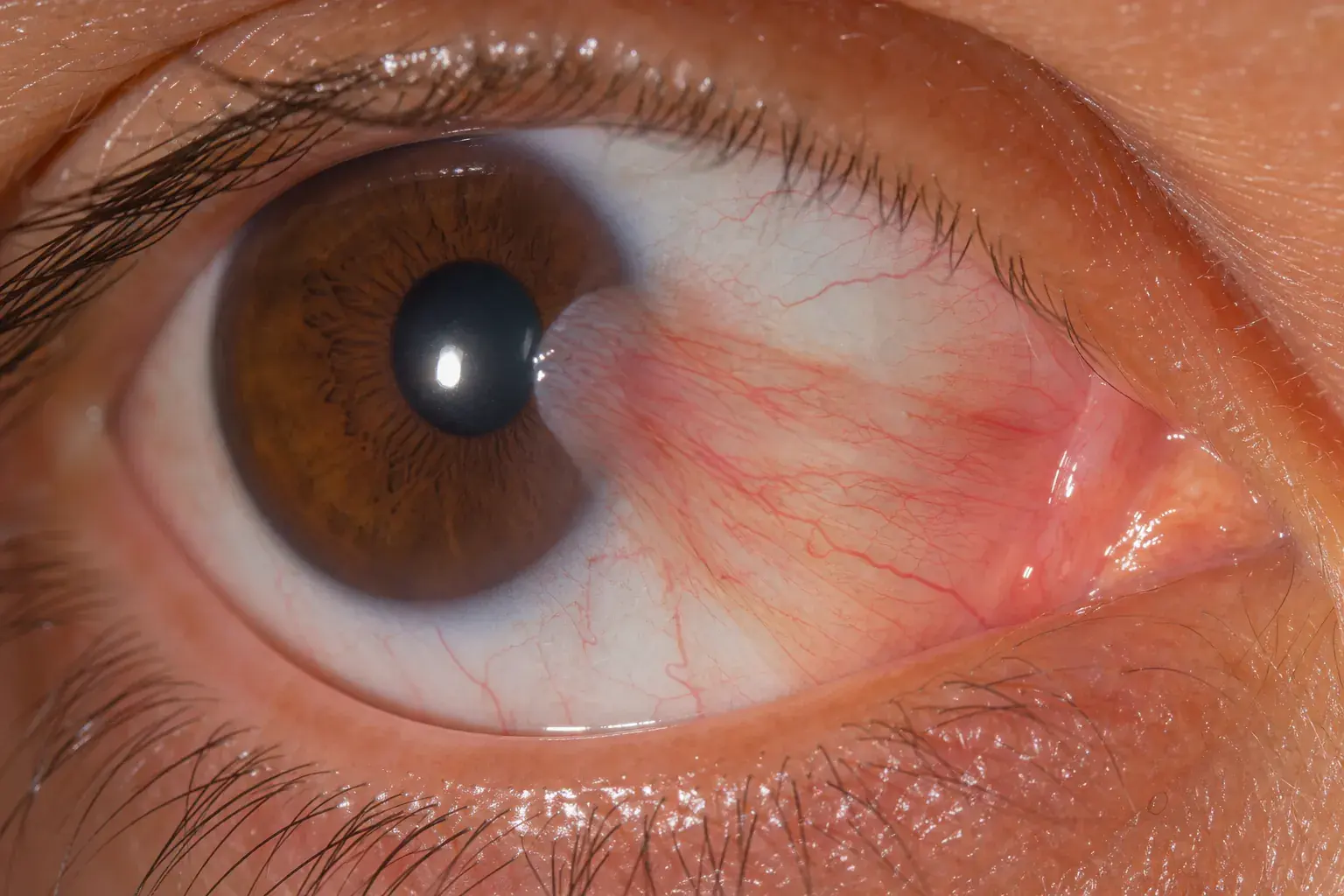
Pterygium
A raised growth on the eye surface that can be linked with sun, wind, or irritation.
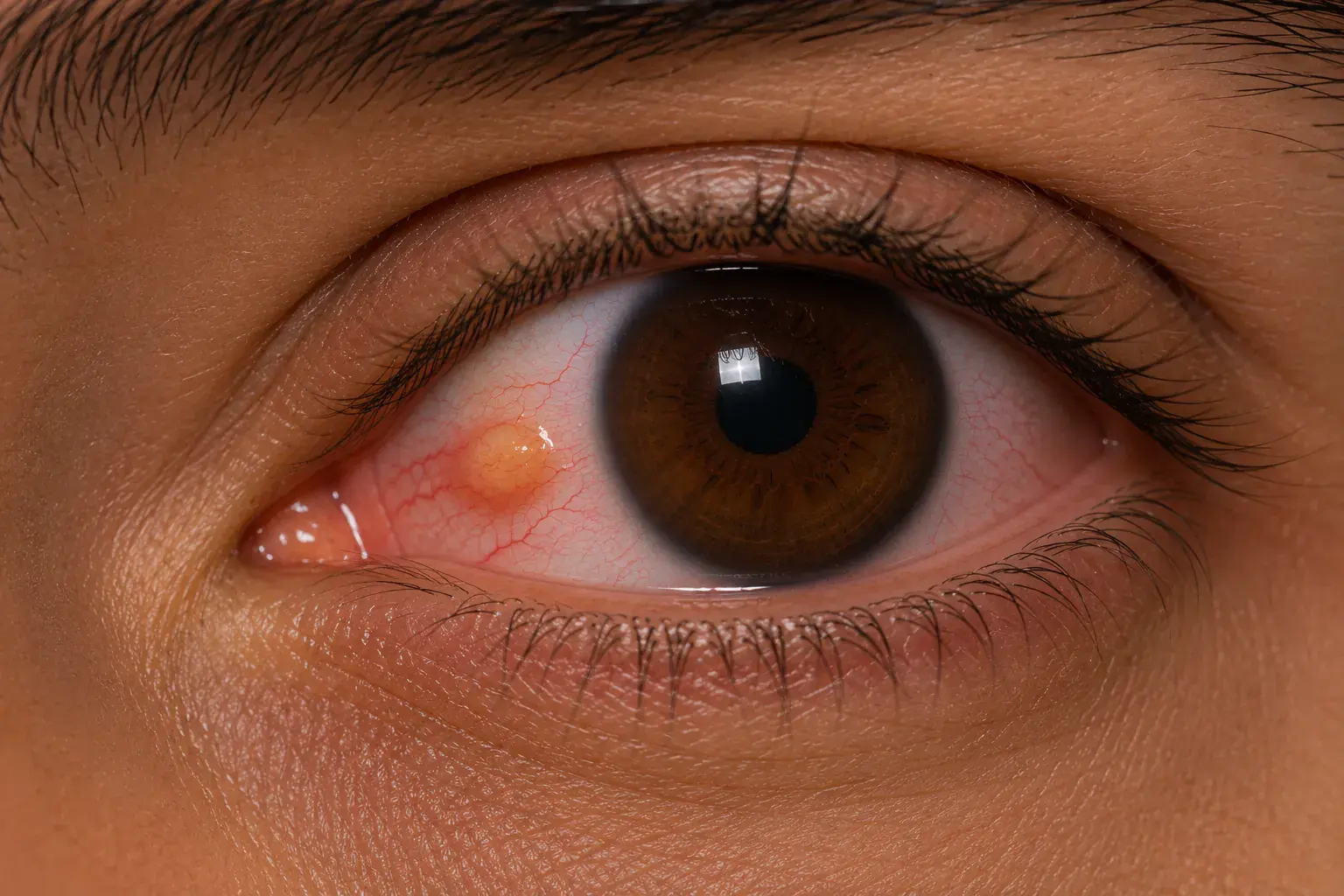
Pinguecula
A small yellowish eye-surface bump often related to dryness, sun, or wind exposure.

Presbyopia
Age-related near-focus difficulty that commonly affects reading up close.
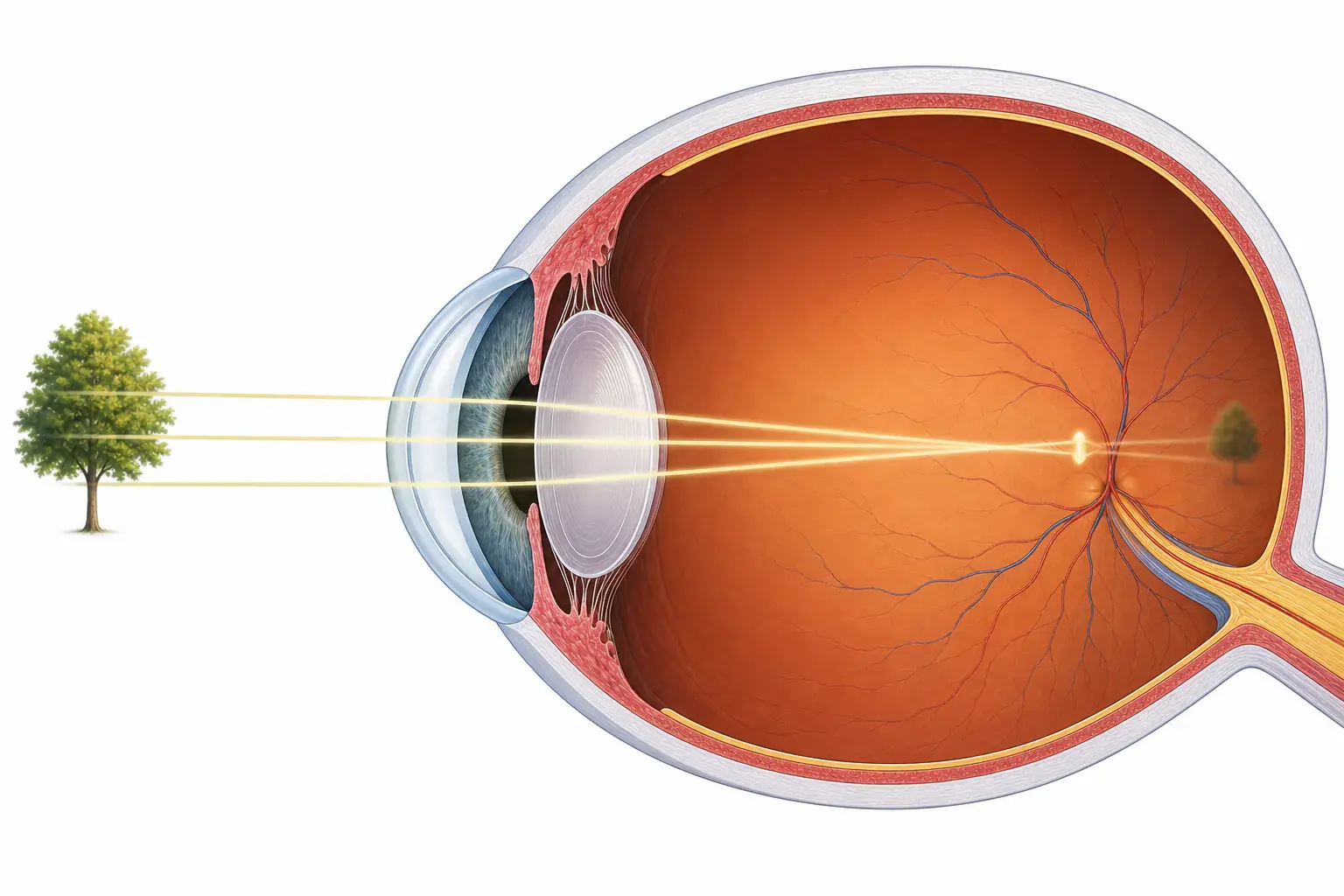
Myopia / Nearsightedness
Distance blur where far objects may look unclear.
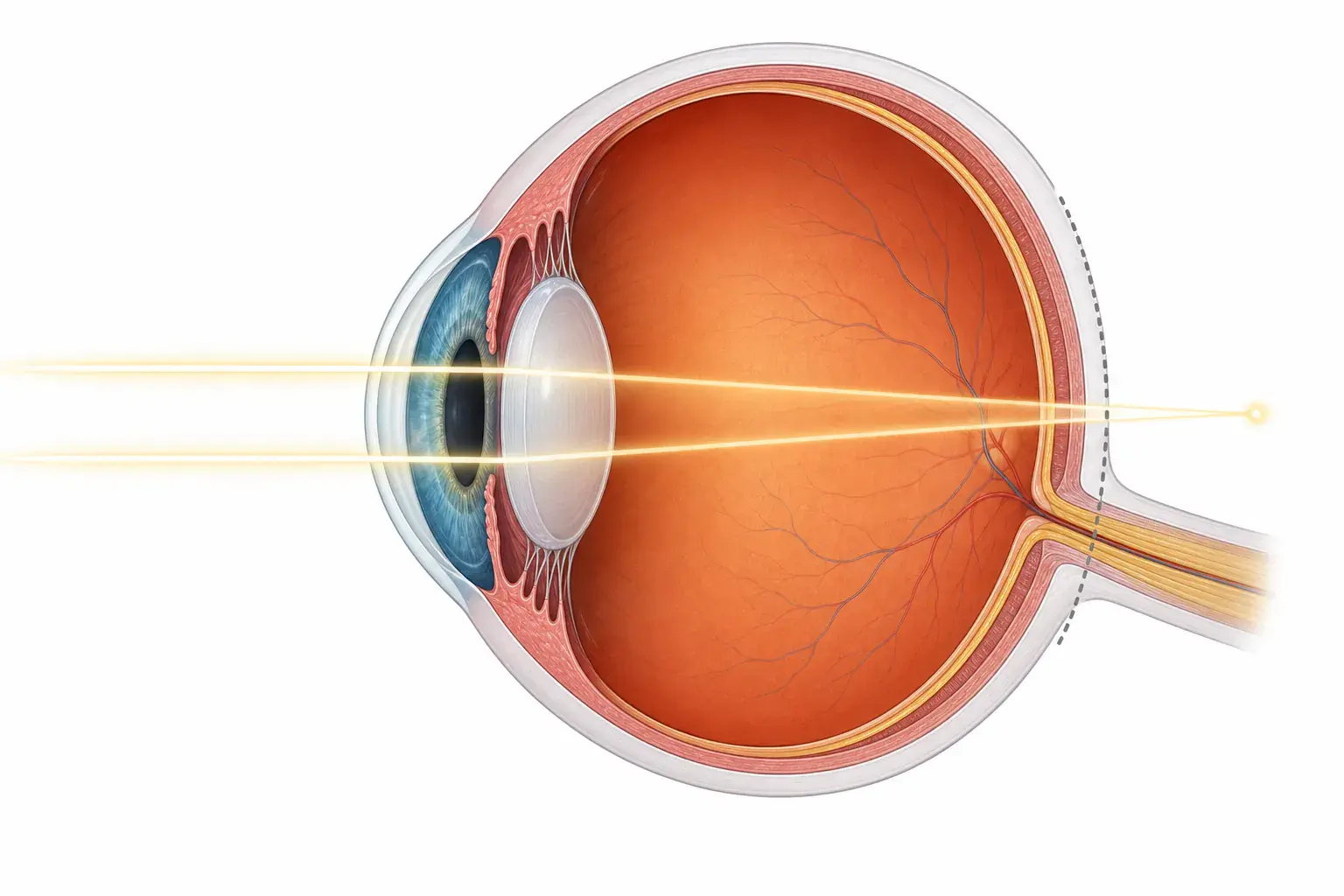
Hyperopia / Farsightedness
A focusing pattern that can affect near work or cause eye strain.
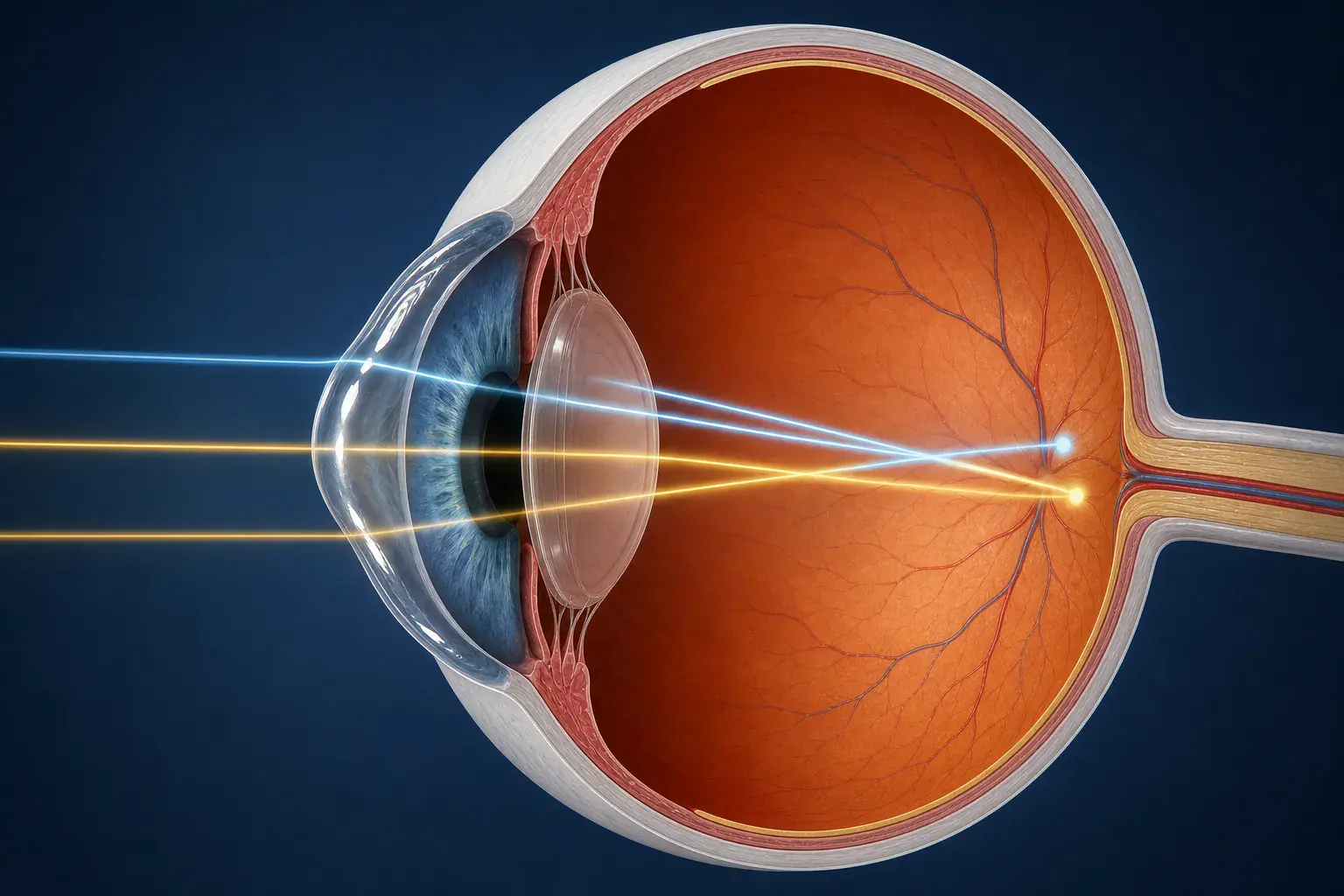
Astigmatism
A focusing difference that can make vision blurred or distorted at different distances.

Computer Vision Syndrome / Digital Eye Strain
Eye fatigue, dryness, blur, or headache related to screen use.
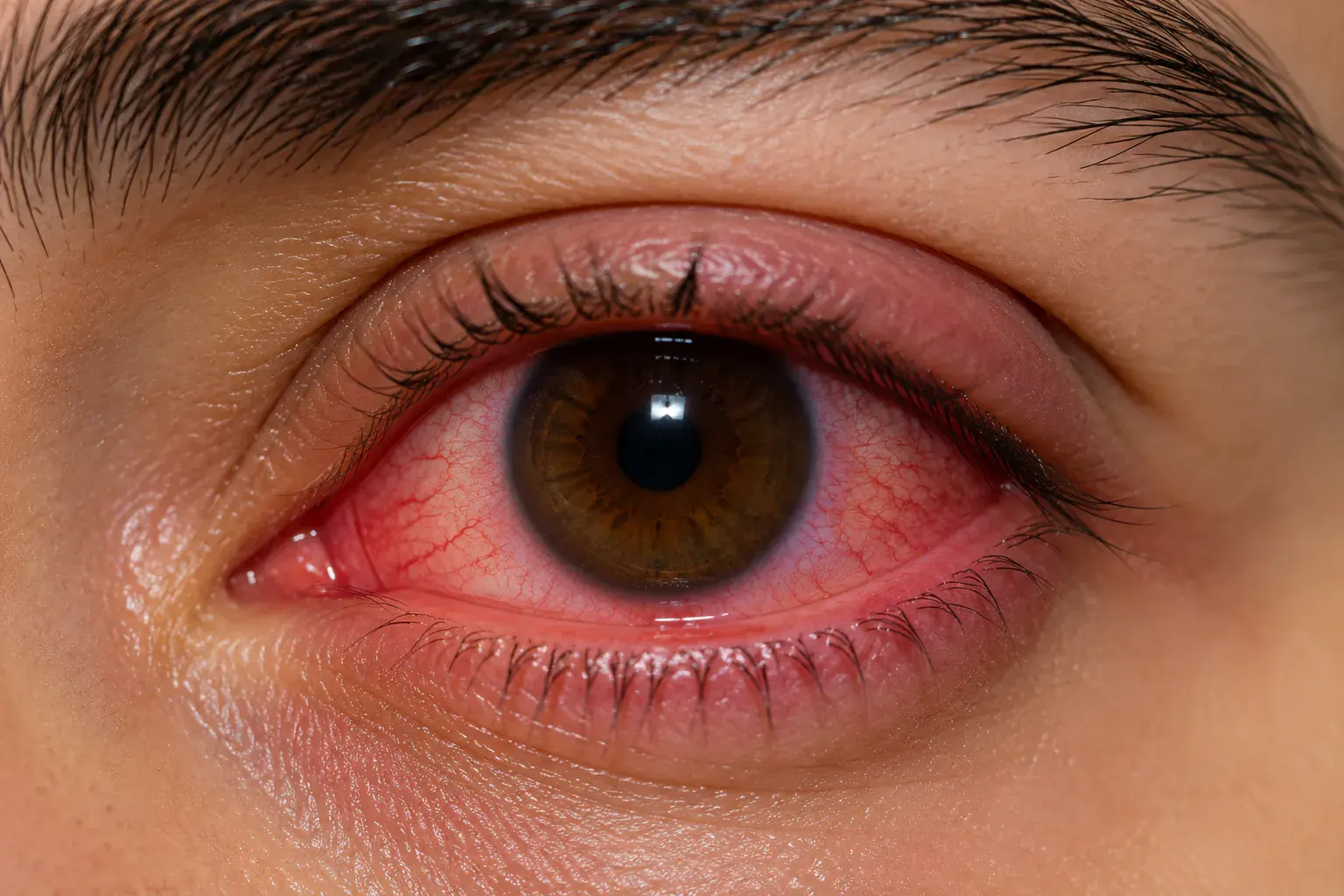
Ocular Allergy
Itchy, watery, or red eyes related to allergy triggers.
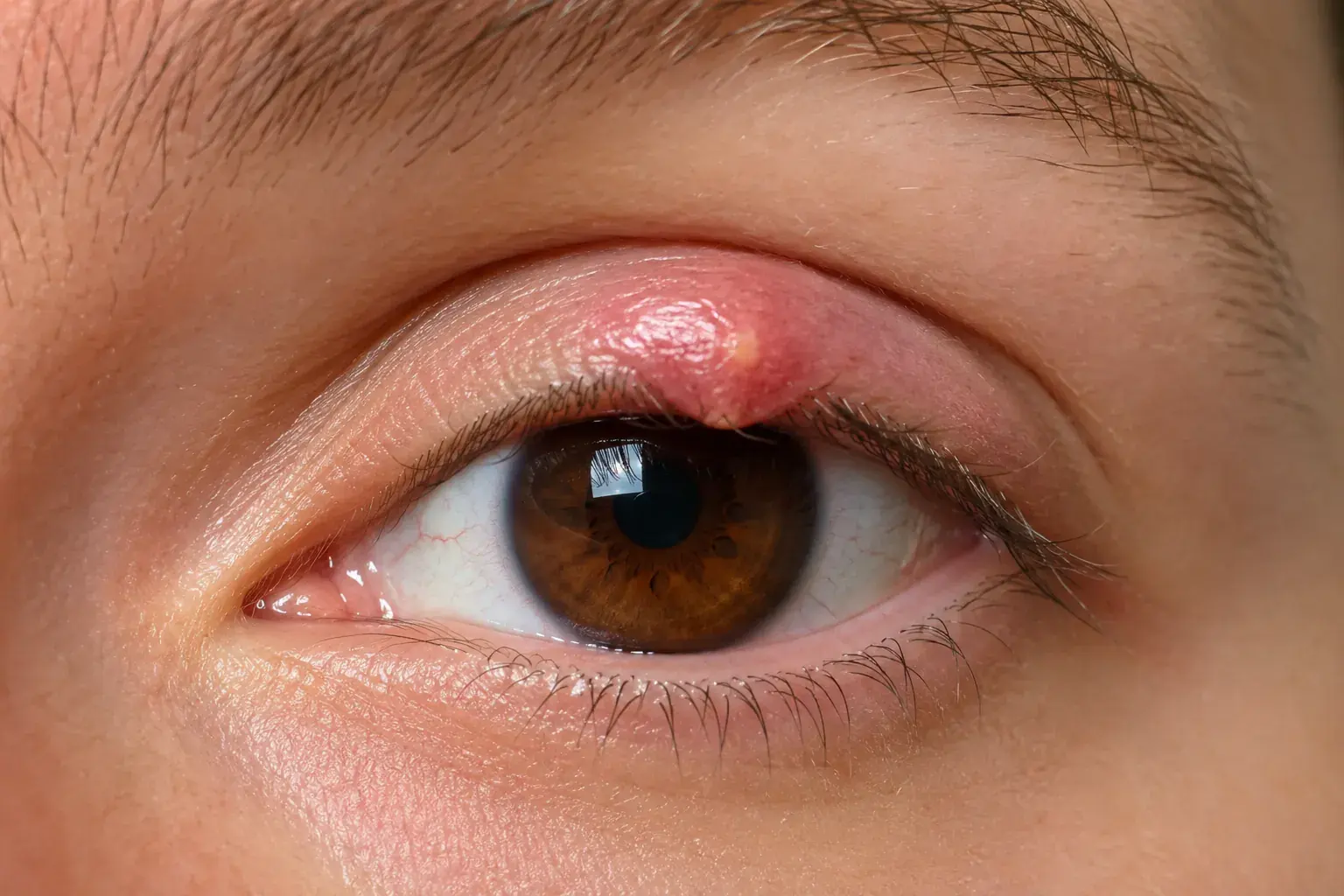
Hordeolum / Stye
A tender eyelid bump that may feel sore or swollen.
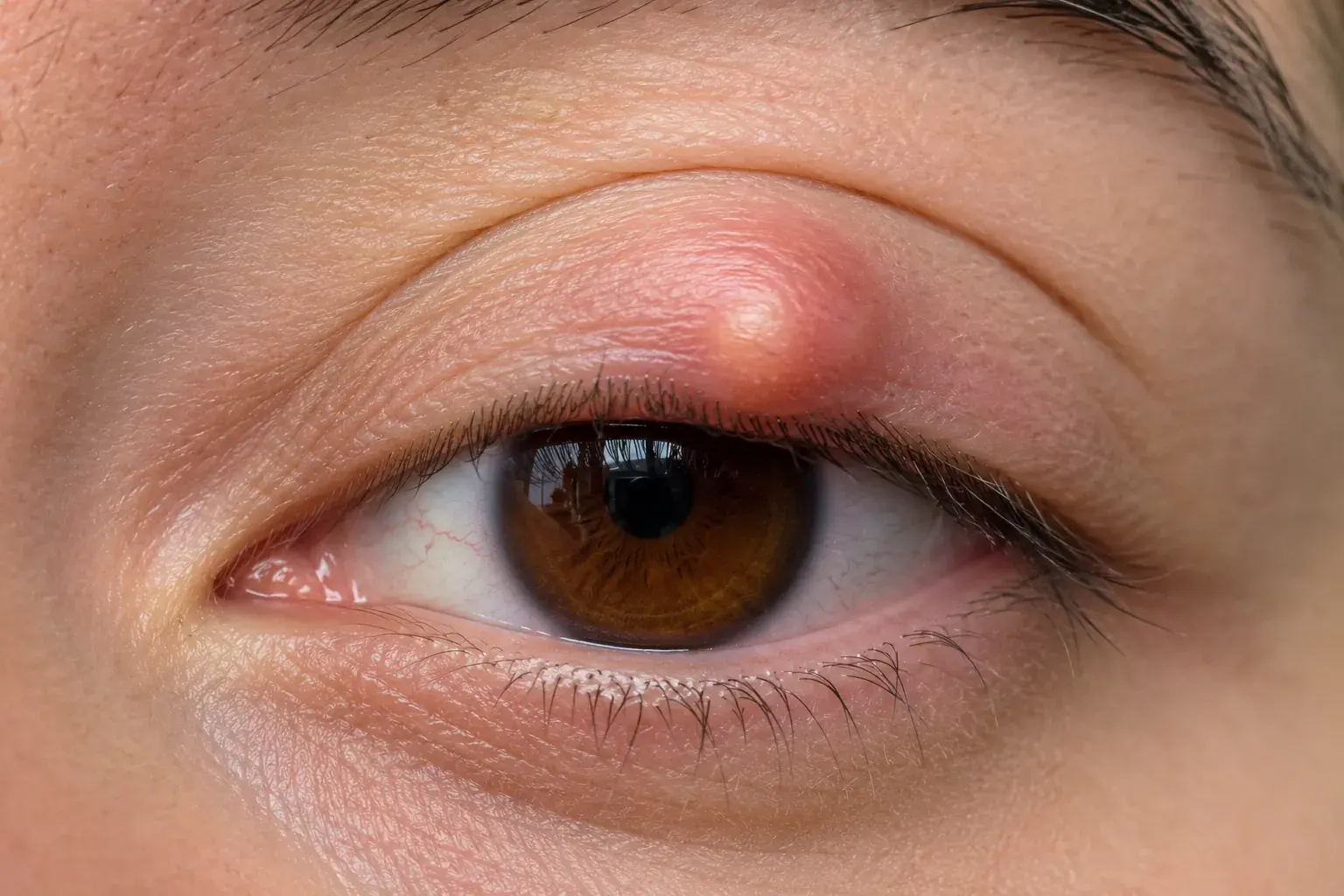
Chalazion
A usually painless eyelid lump from a blocked oil gland.
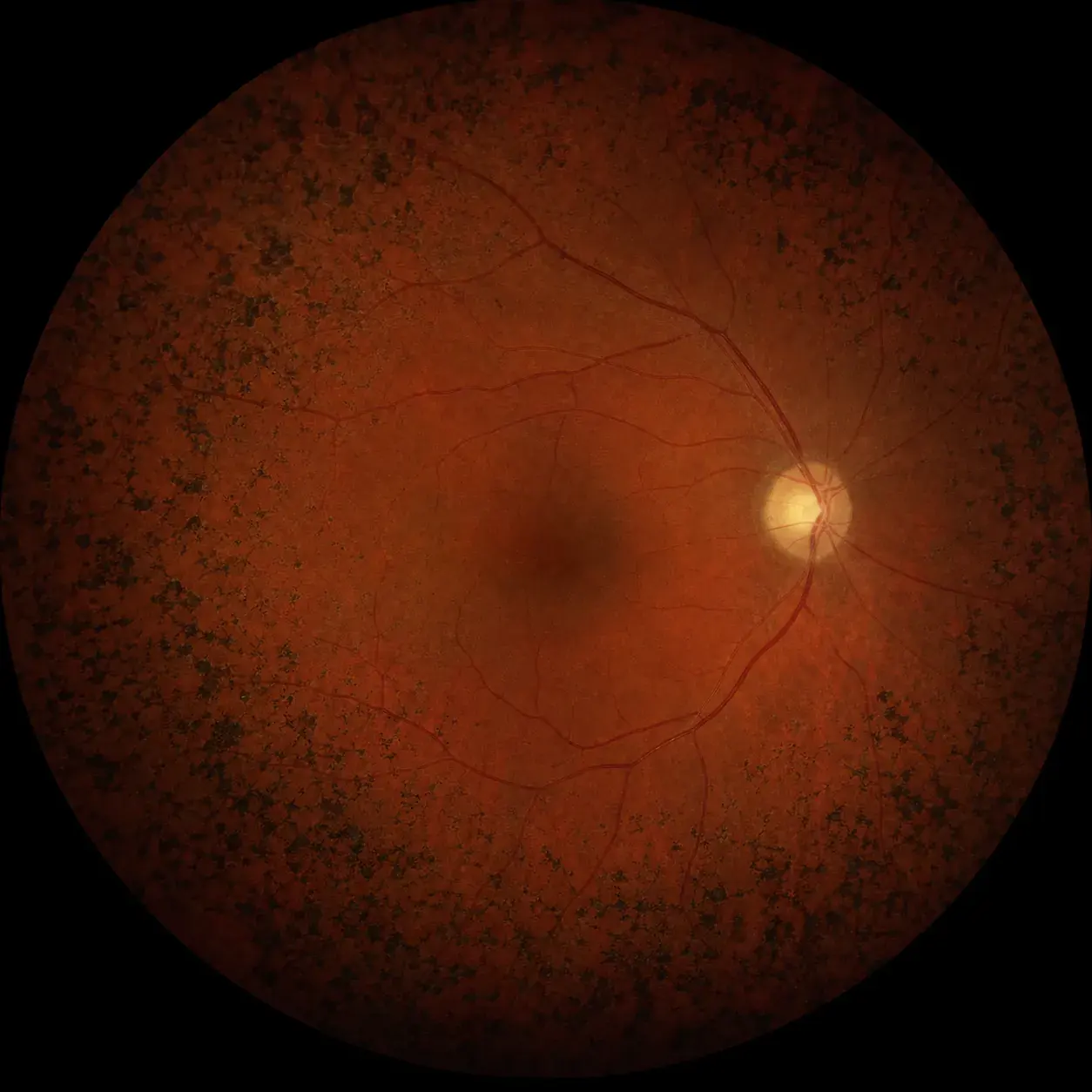
Retinitis Pigmentosa
An inherited retina condition that can affect night vision and side vision.
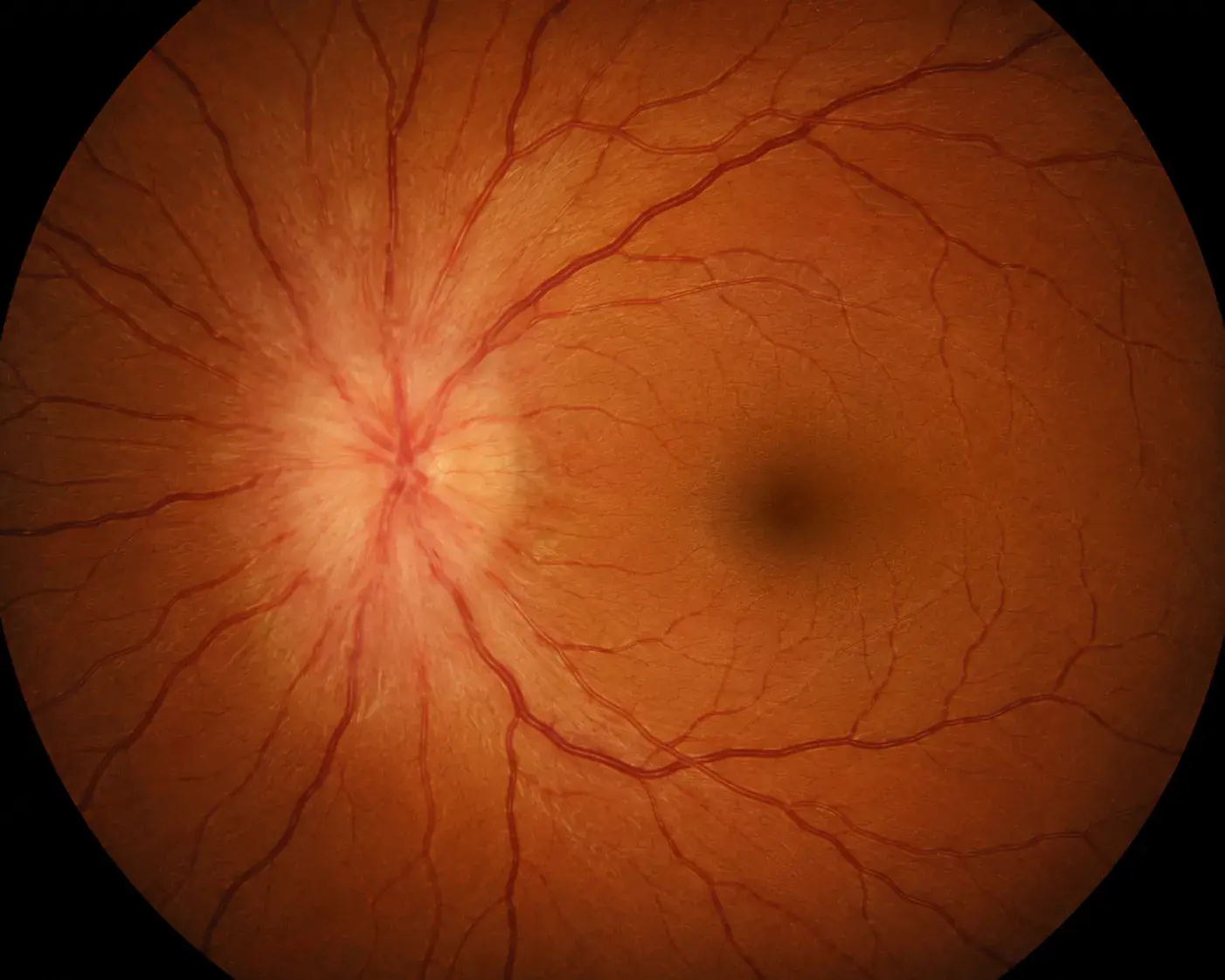
Optic Neuritis
Optic nerve inflammation that can cause vision change or pain with eye movement.
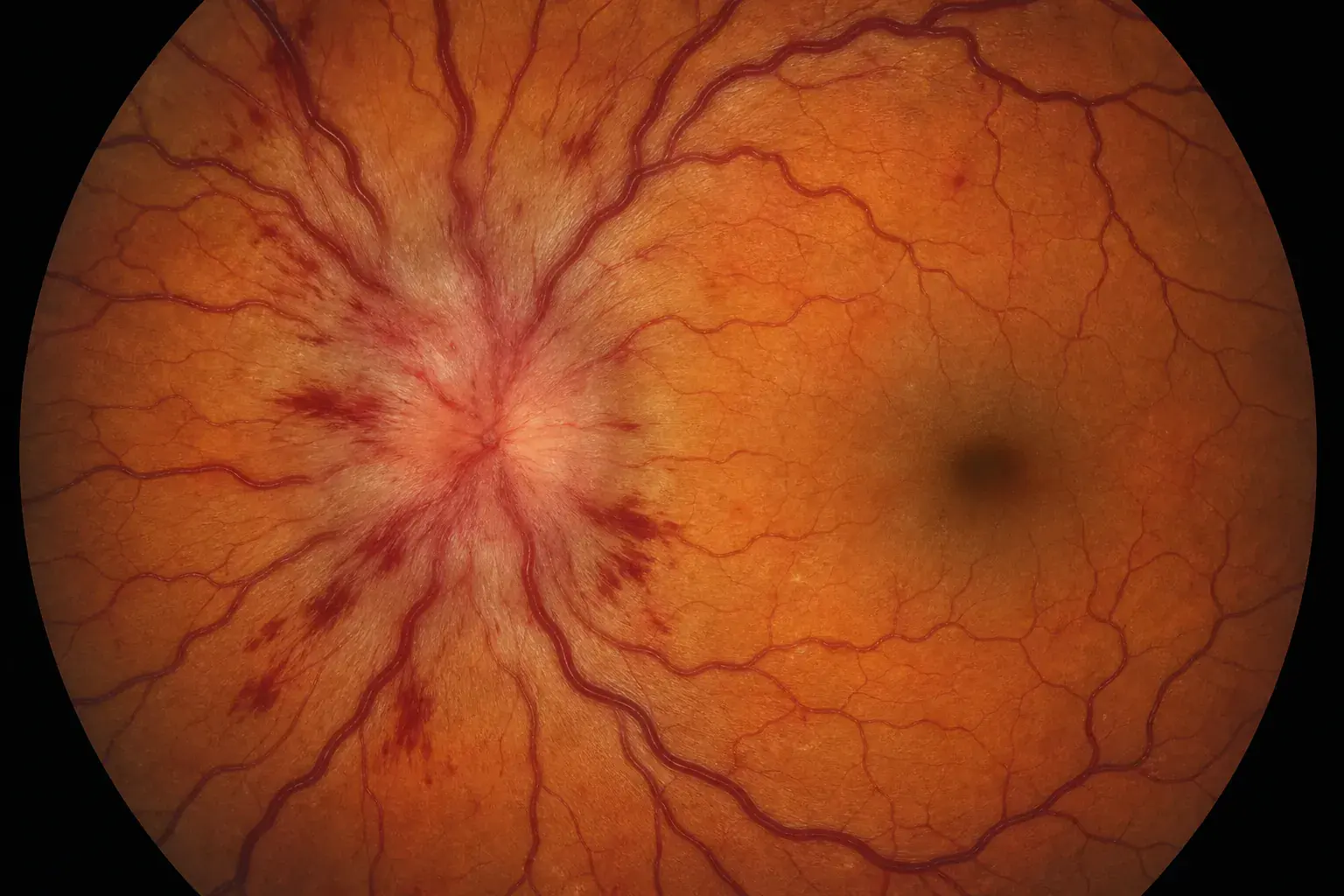
Papilledema
Optic nerve swelling that requires professional medical assessment.
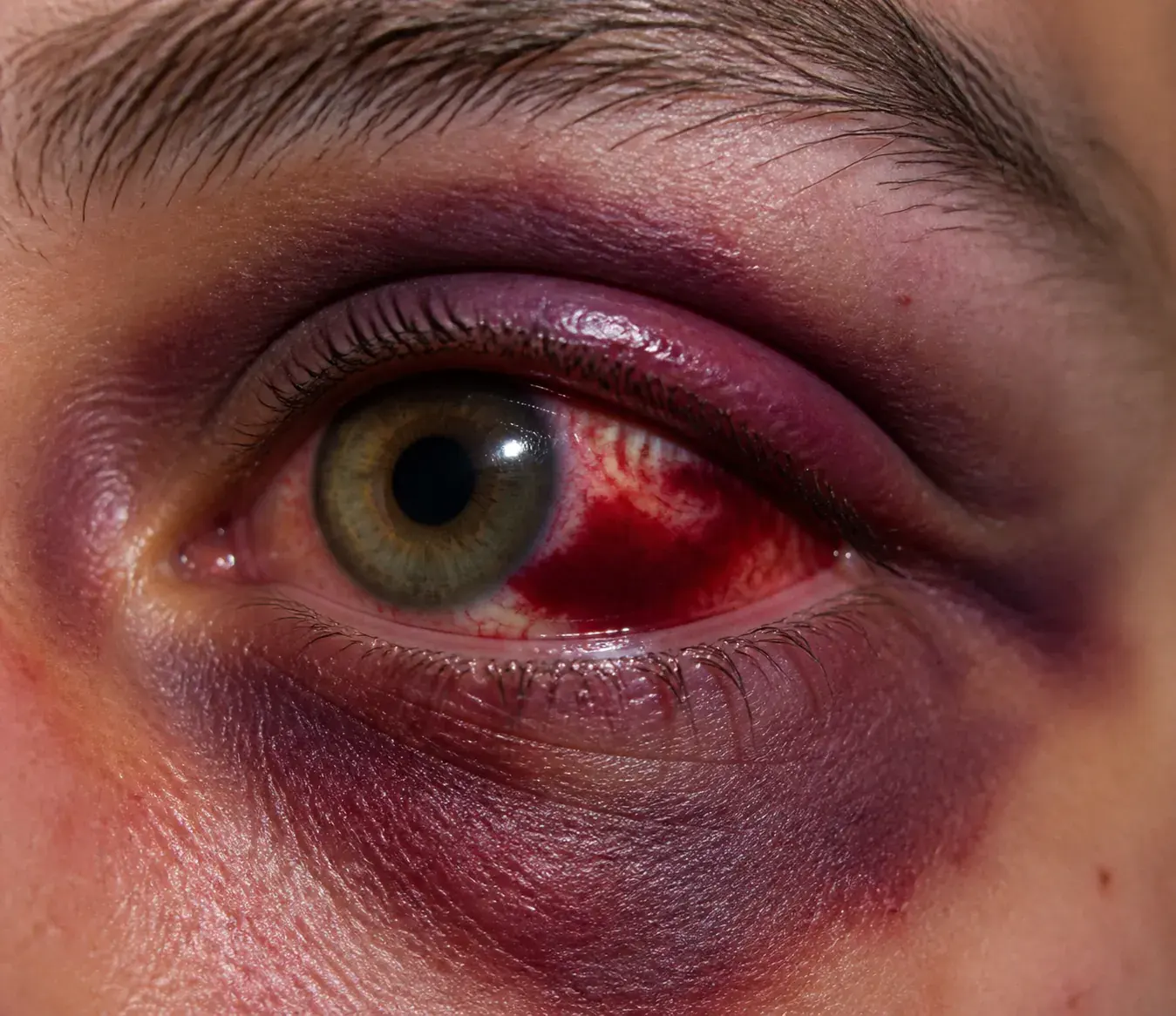
Eye Trauma / Eye Injury
Injury to the eye or surrounding area that may need urgent attention.
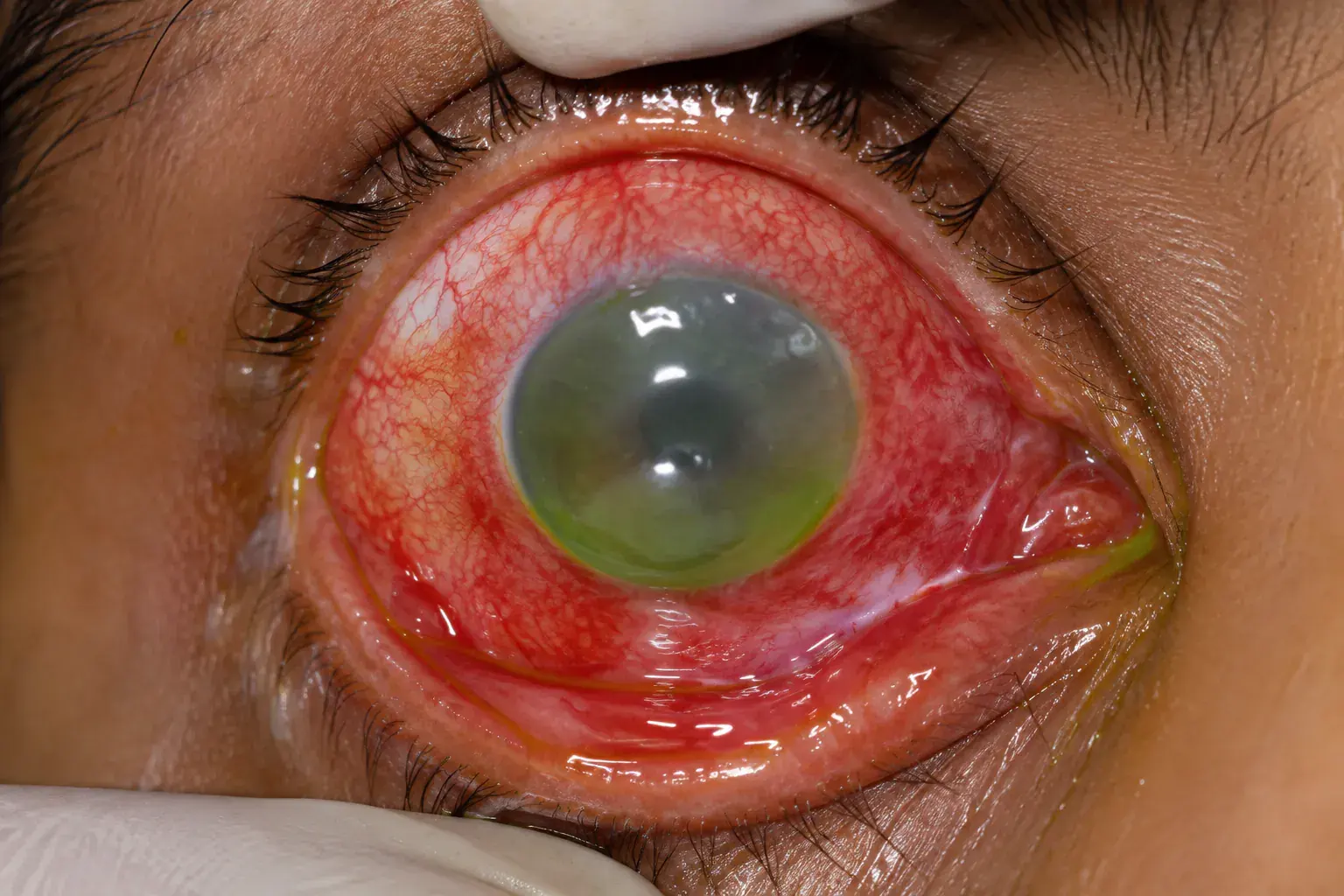
Chemical Eye Burn
Chemical exposure to the eye is urgent and needs immediate care.
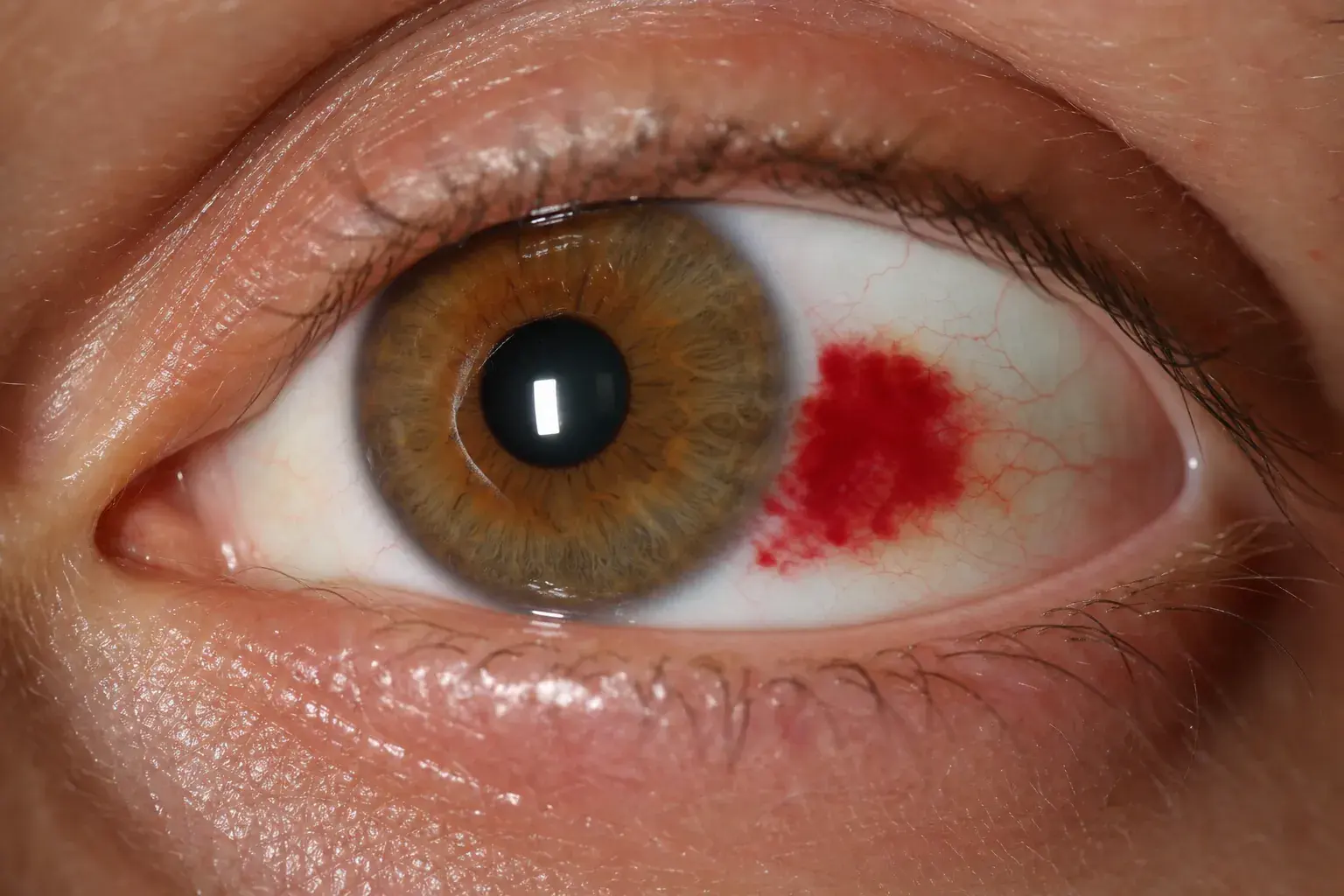
Subconjunctival Hemorrhage
A bright red patch on the white of the eye from a small surface blood spot.

Diplopia / Double Vision
Seeing two images of one object, especially if new or sudden, can be important.
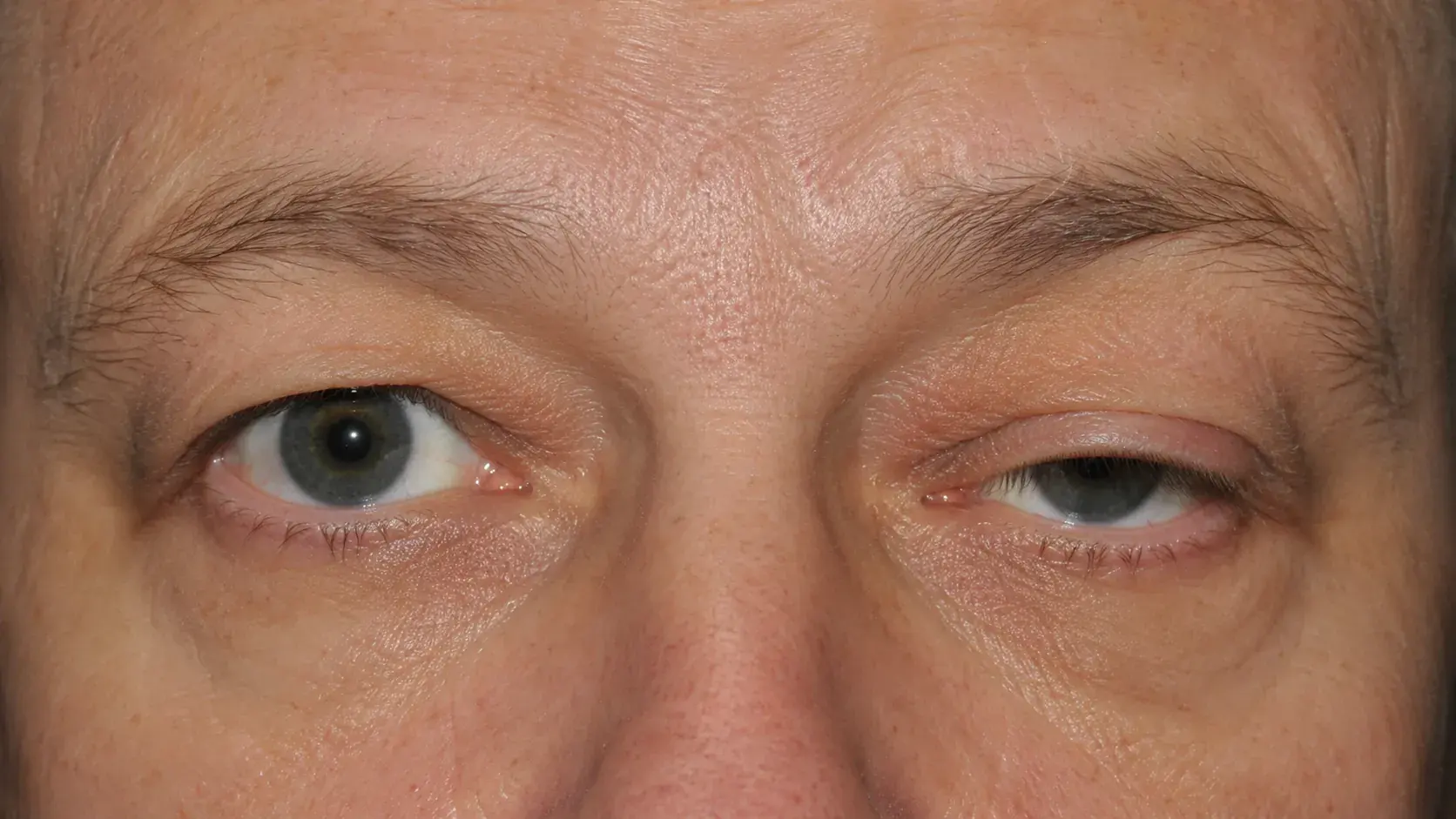
Ptosis / Drooping Eyelid
A drooping upper eyelid that may be longstanding or new.
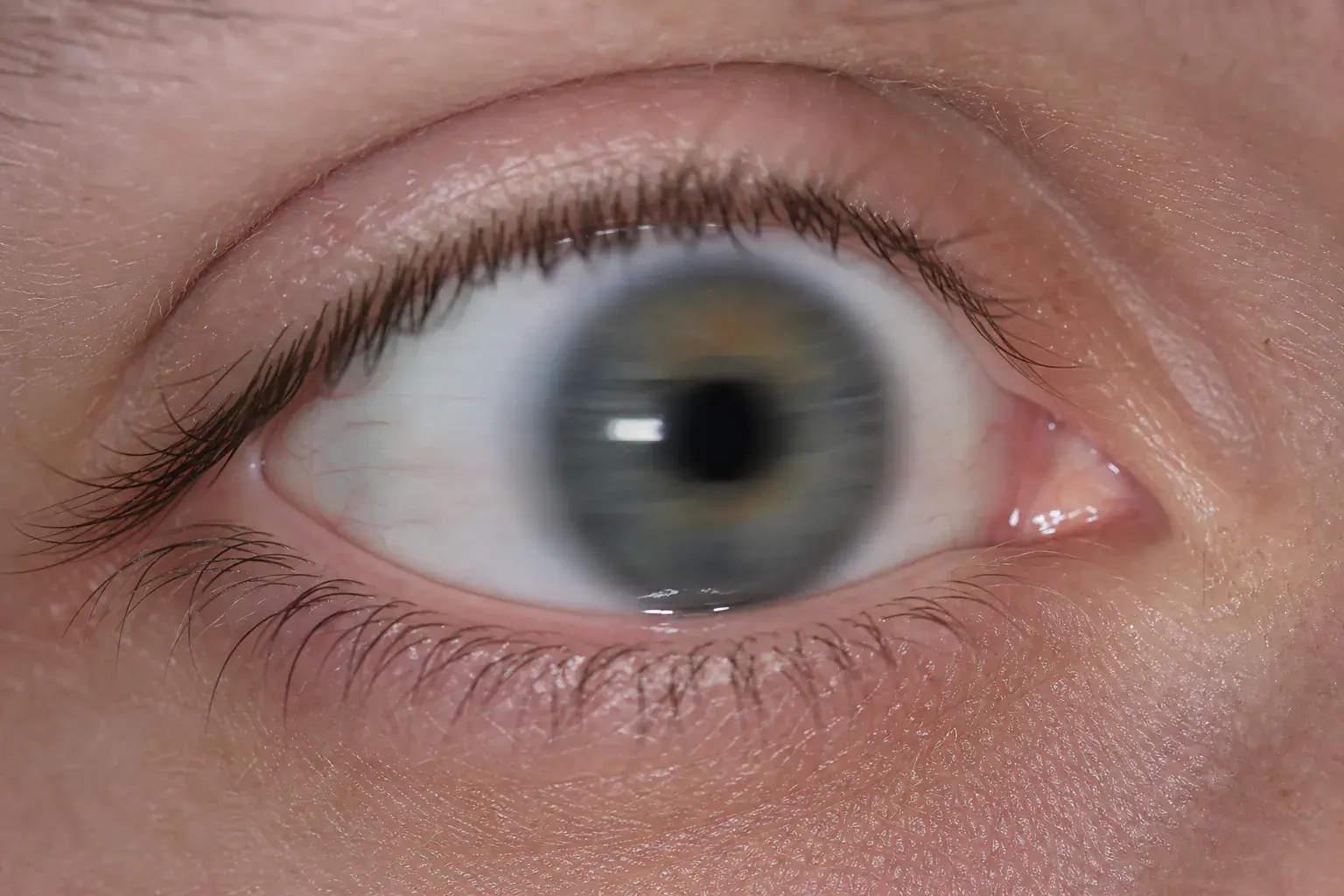
Nystagmus
Involuntary eye movements that may affect visual comfort or clarity.
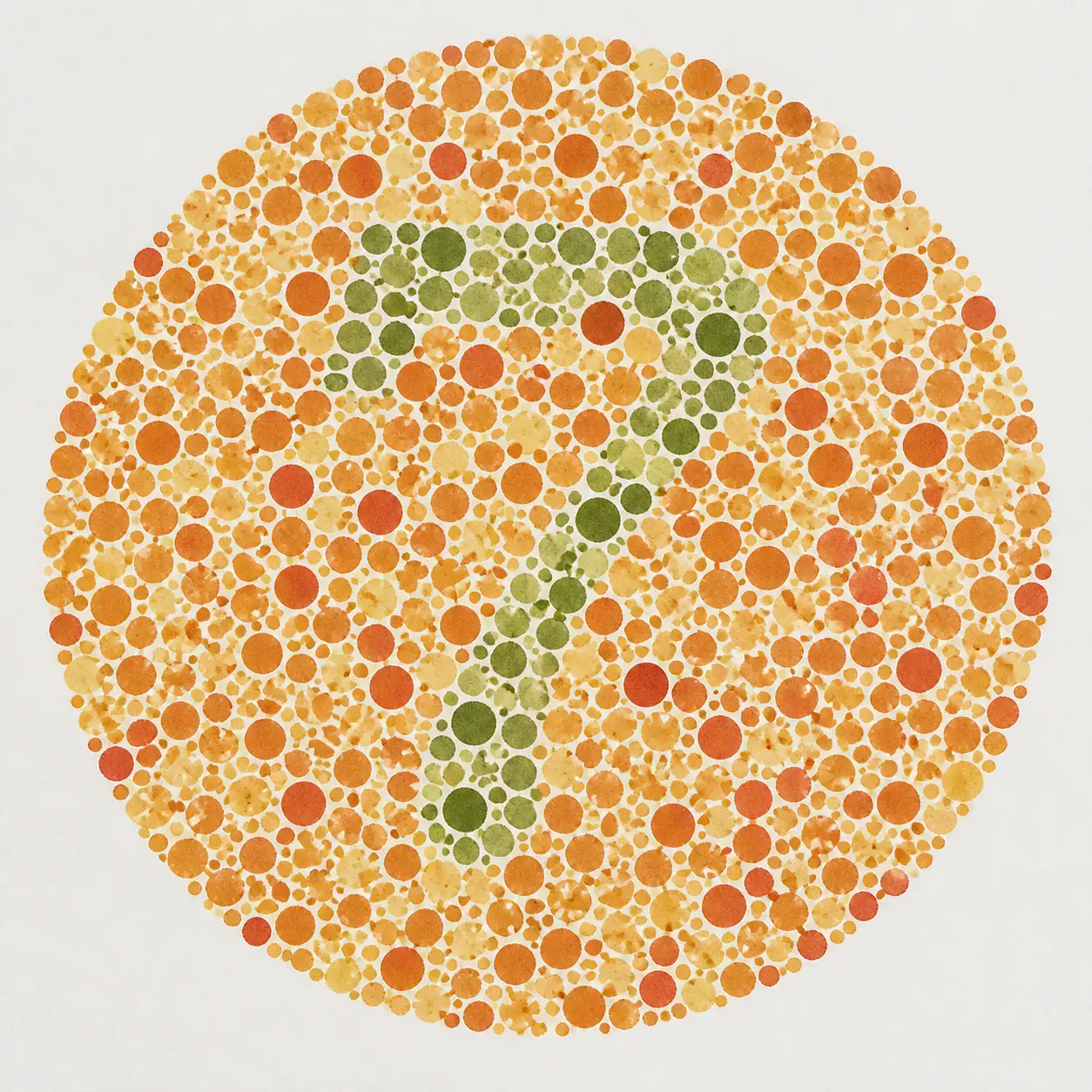
Color Vision Deficiency
Difficulty telling some colors apart, often noticed on color tasks.
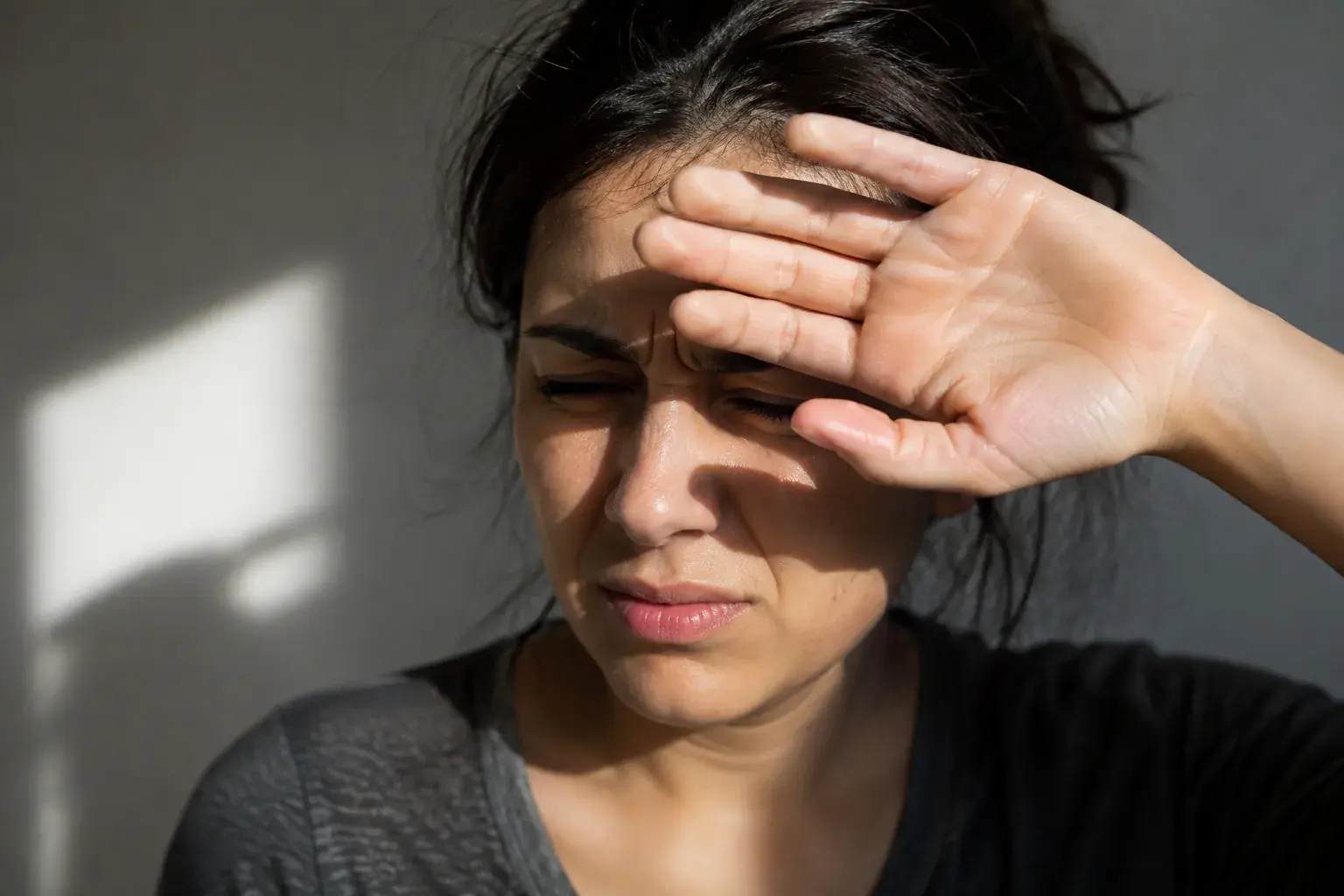
Photophobia / Light Sensitivity
Light discomfort that can happen with several eye or health situations.
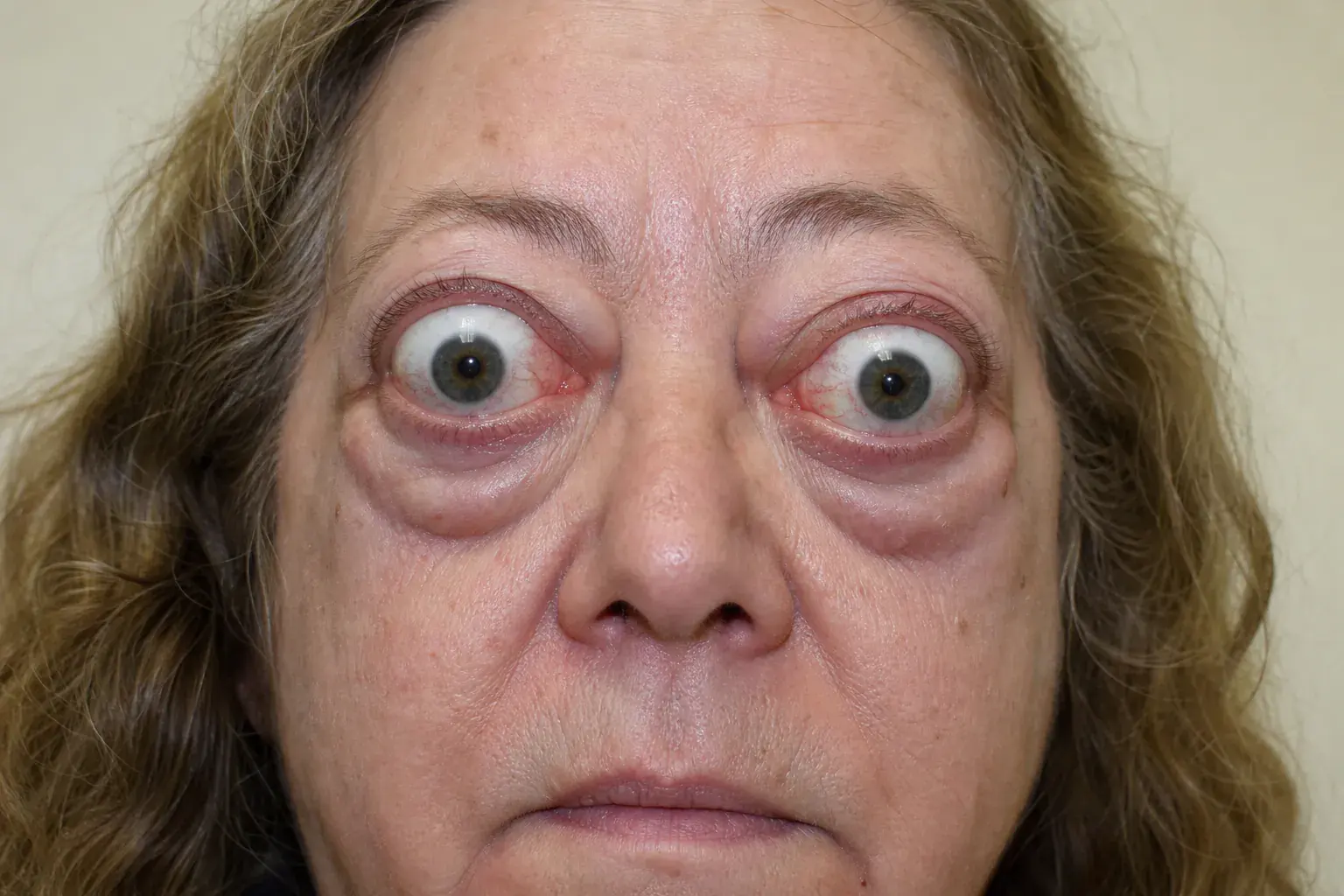
Graves’ Eye Disease / Thyroid Eye Disease
An eye condition linked with thyroid disease that can affect comfort, eyelids, or eye position.
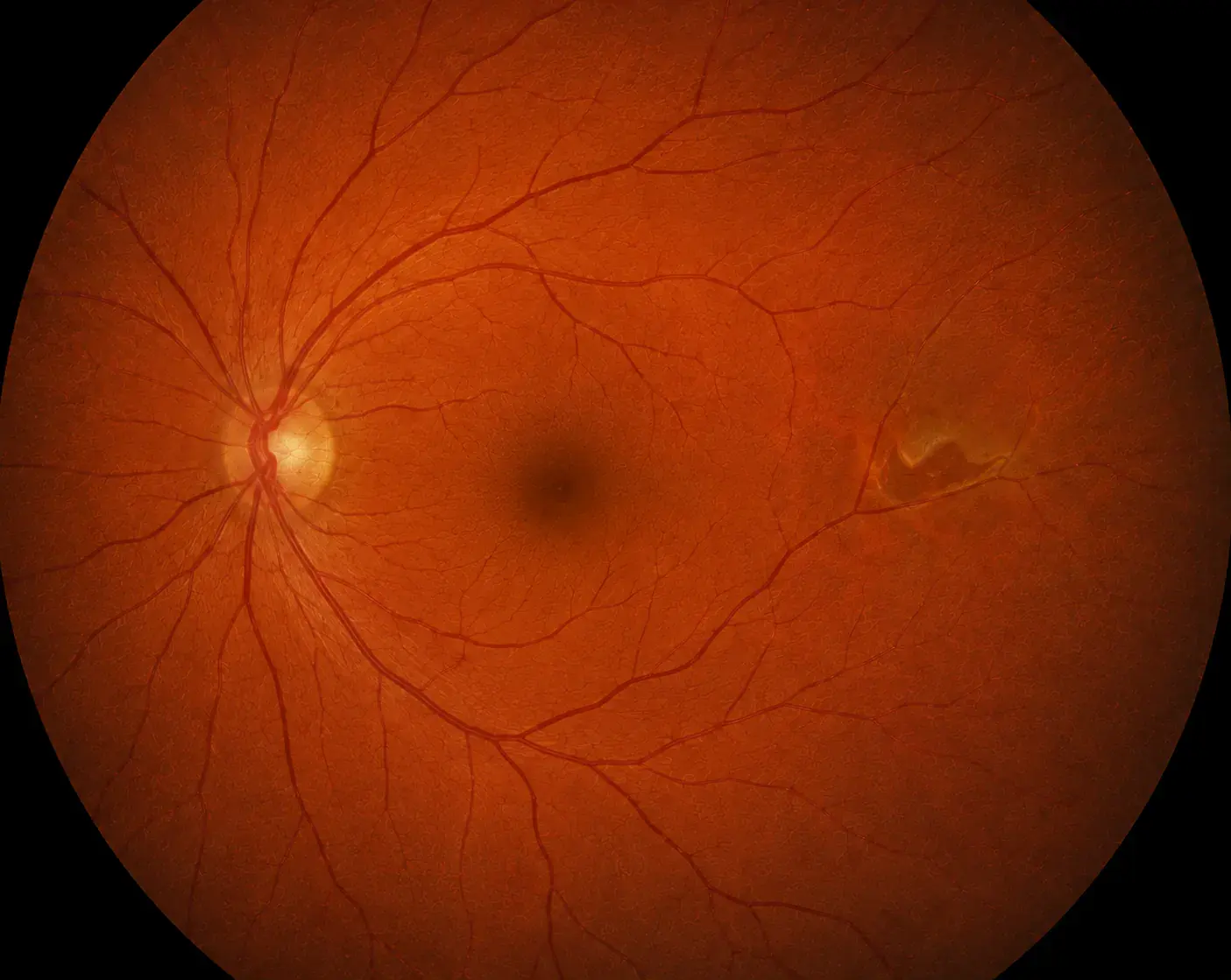
Retinal Tear
A retina break that can cause sudden floaters or flashes and may need urgent care.
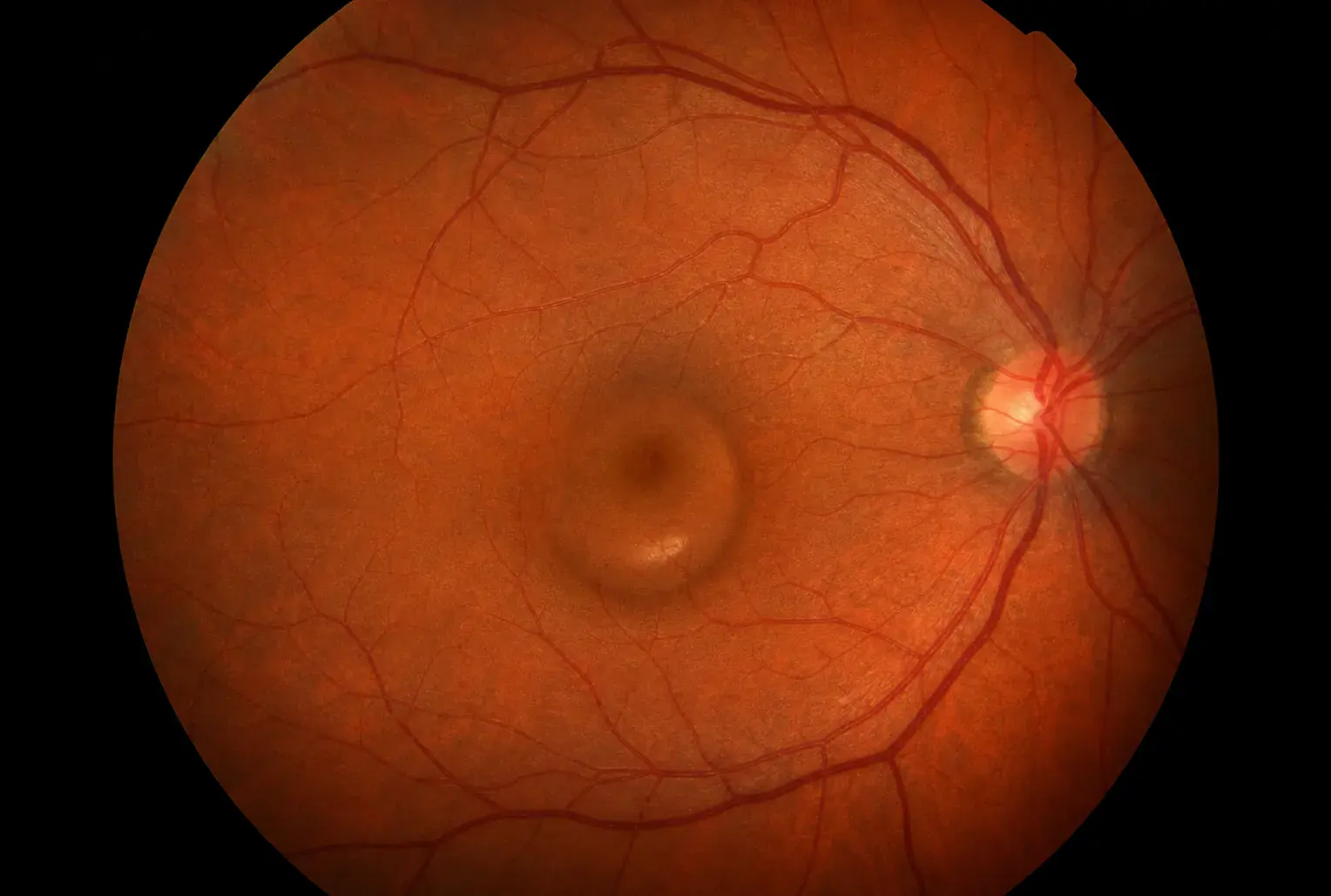
Central Serous Chorioretinopathy
Fluid under the central retina that can affect central vision or cause distortion.
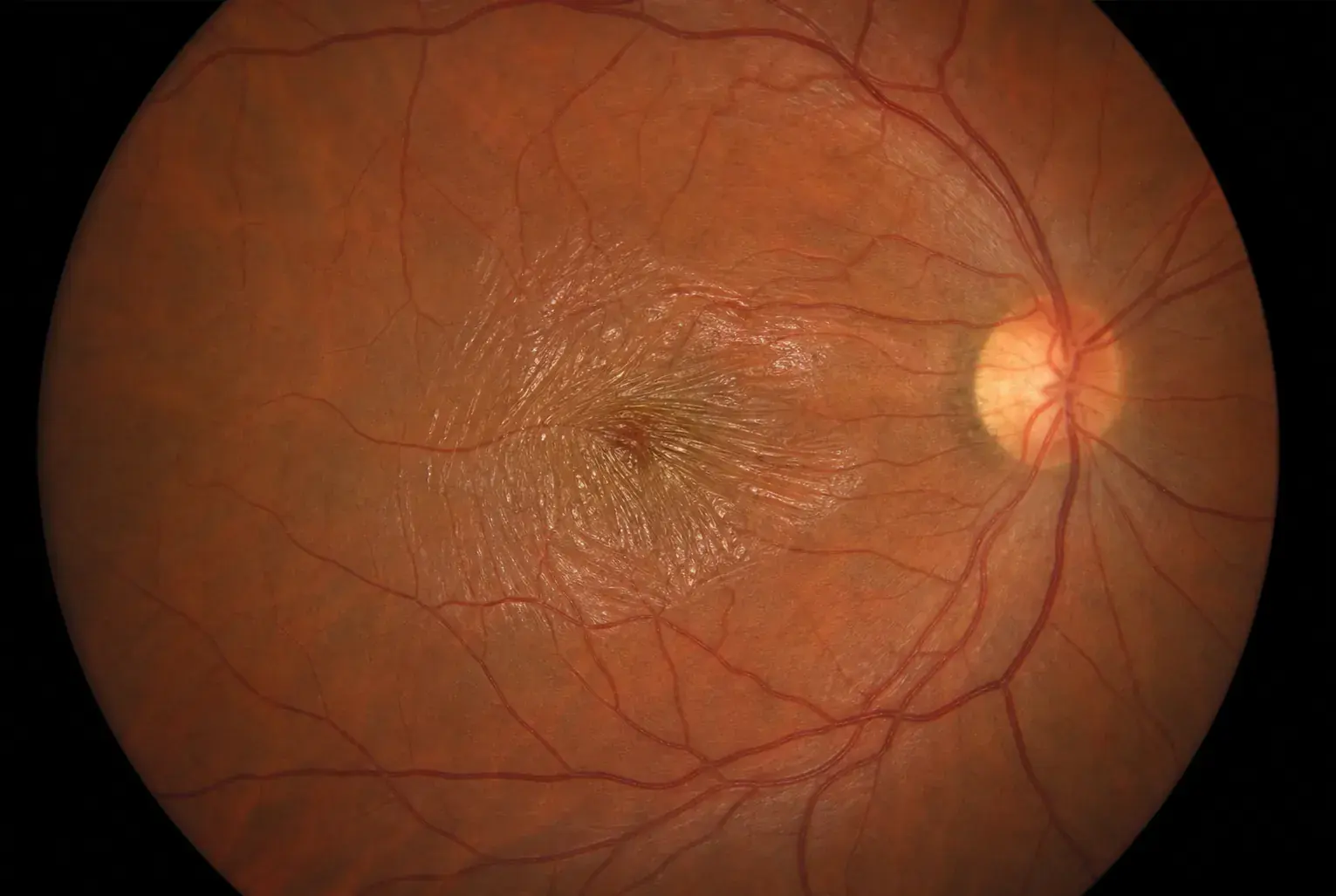
Epiretinal Membrane
A thin layer on the retinal surface that can cause distortion or blur.
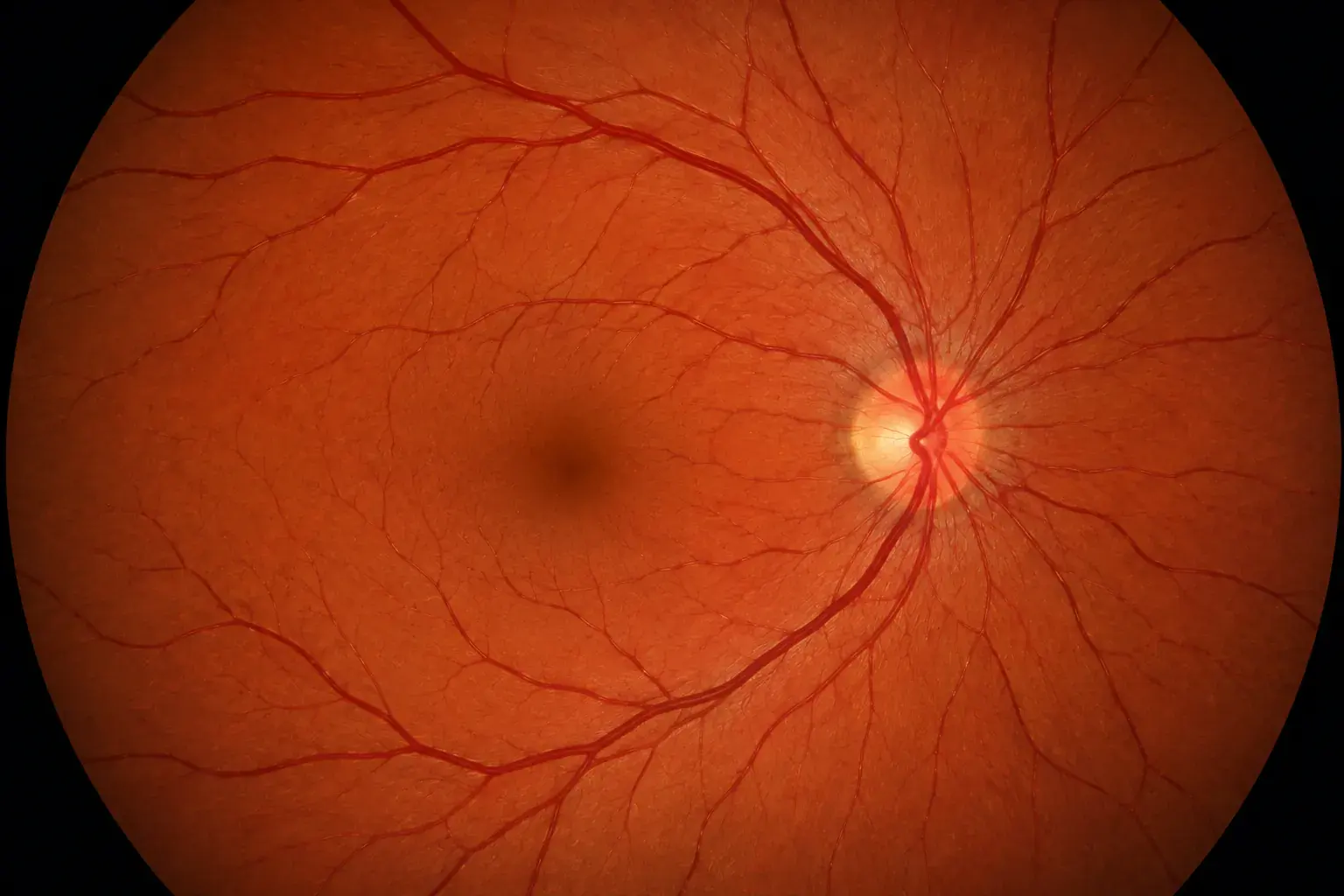
Hypertensive Retinopathy
Retinal blood vessel changes related to high blood pressure.
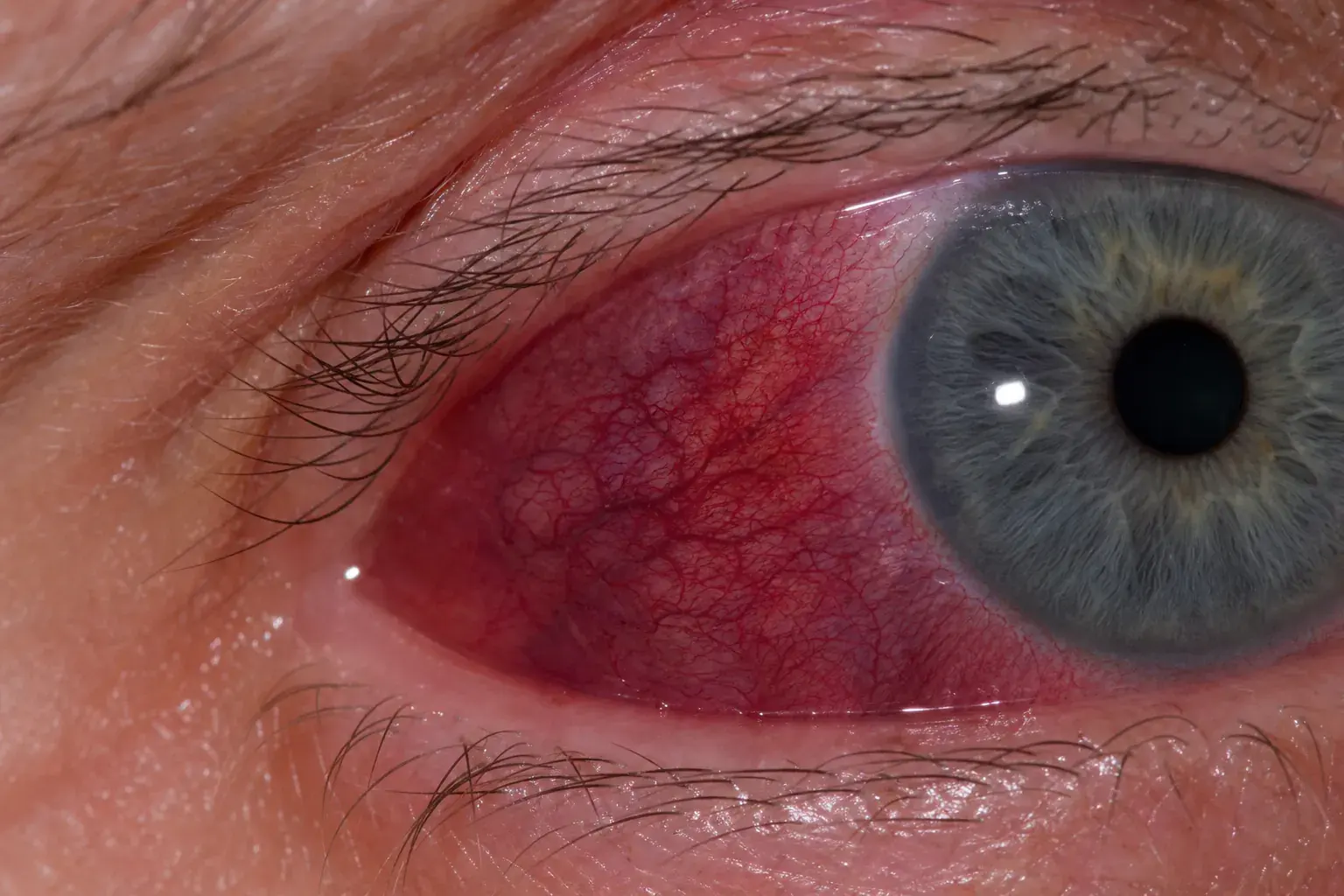
Scleritis
Deep eye-wall inflammation that can cause significant pain and redness.
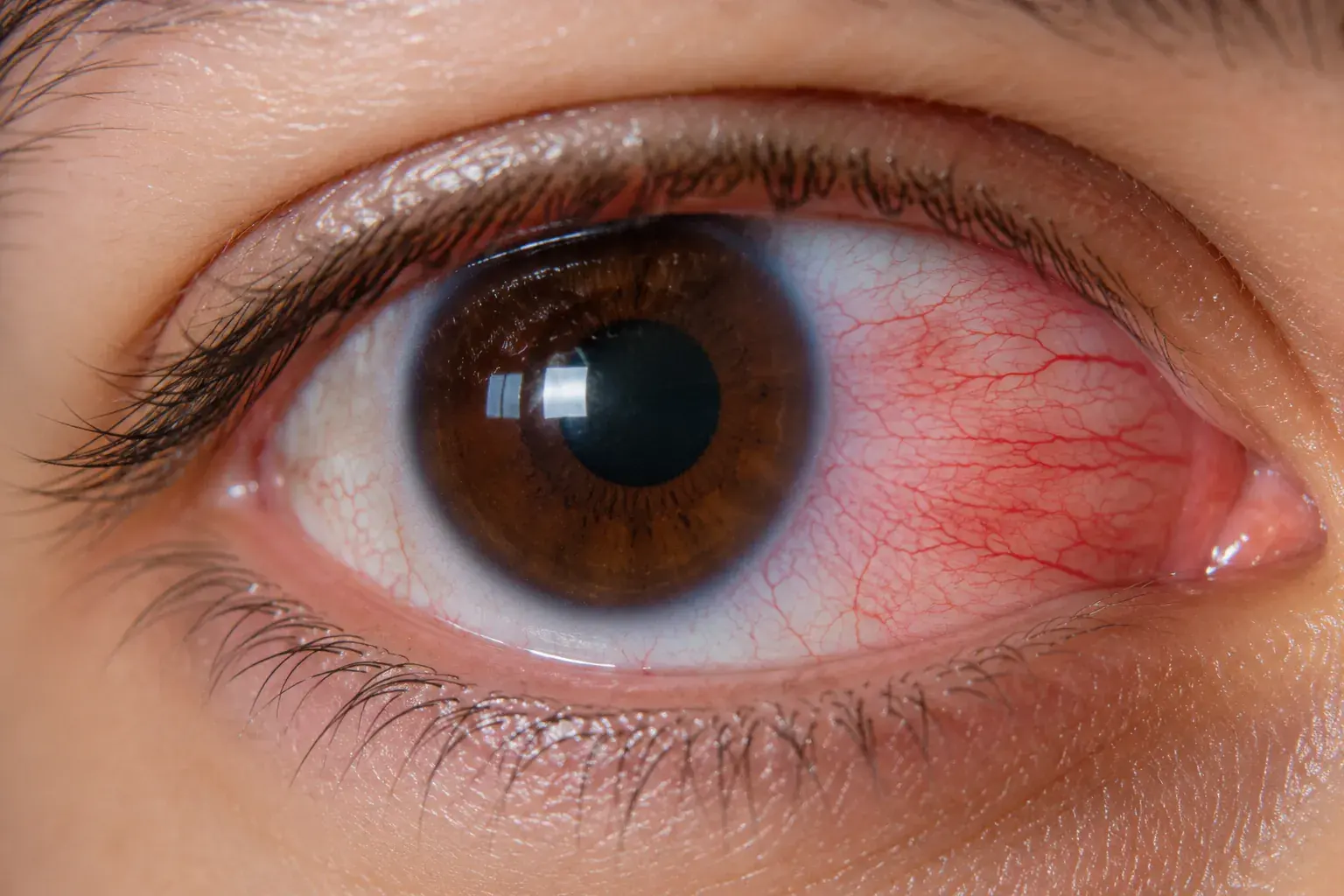
Episcleritis
Surface eye inflammation that can cause redness and mild discomfort.
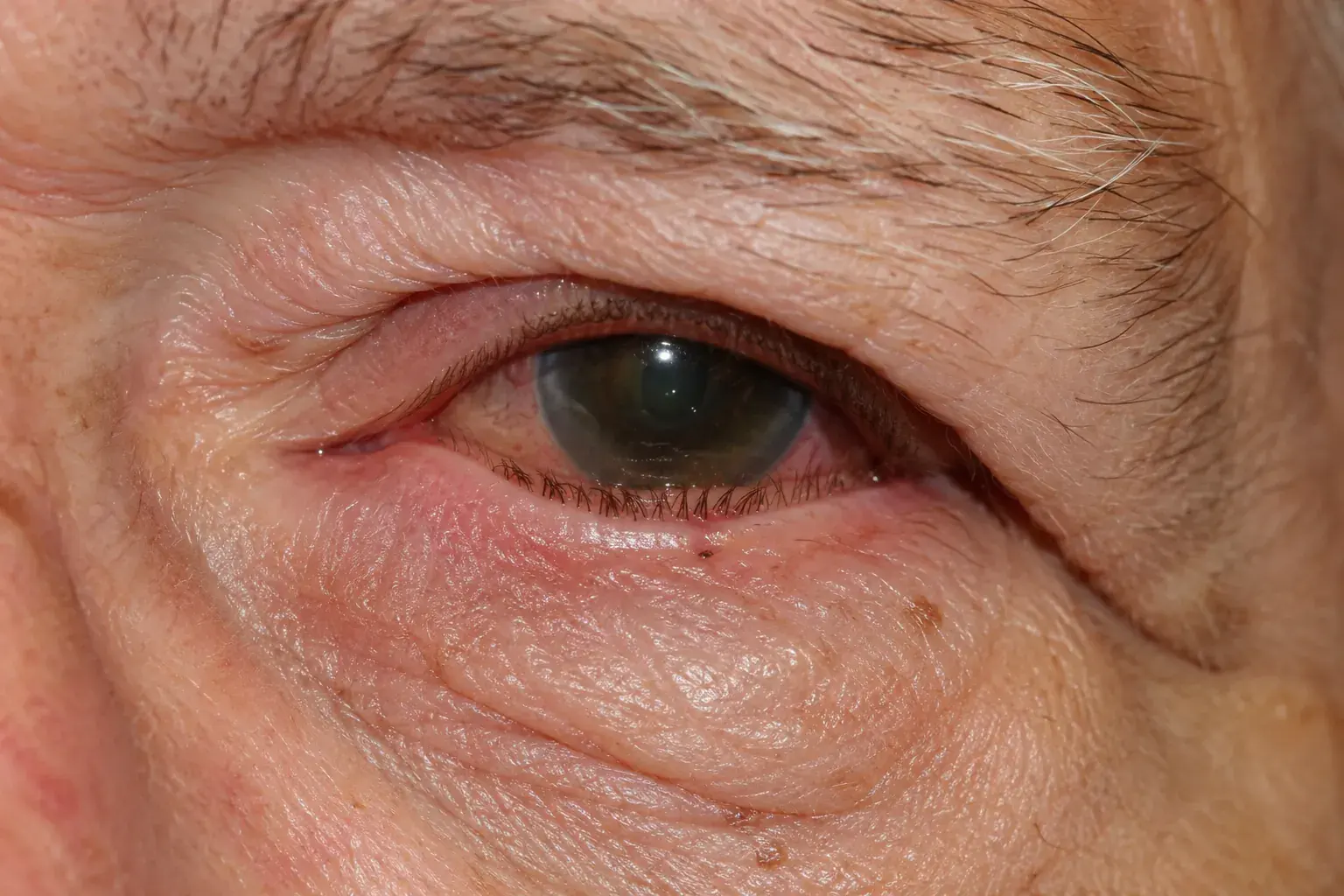
Entropion
An eyelid turns inward so lashes may rub the eye surface.
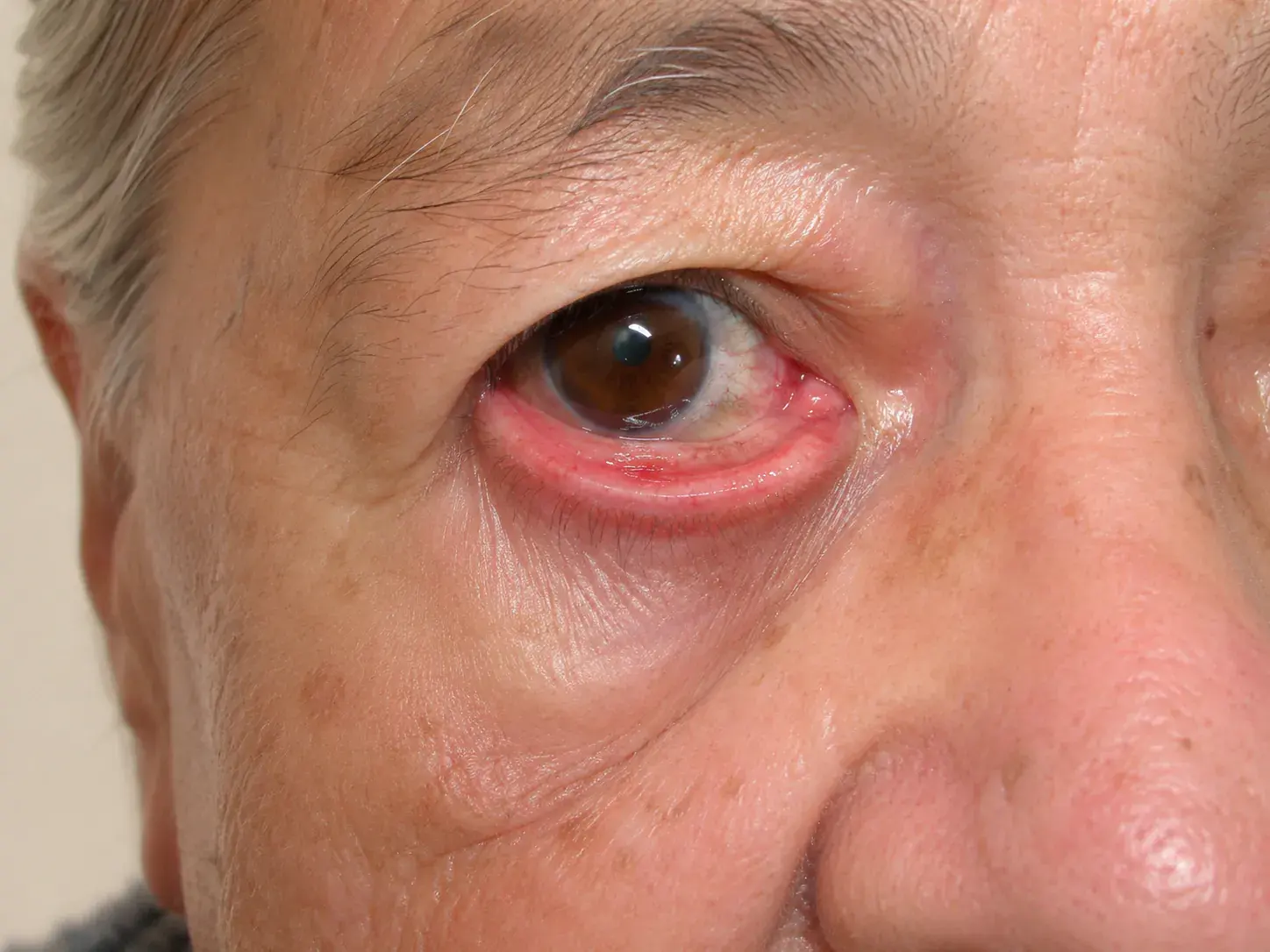
Ectropion
An eyelid turns outward and may cause watering or irritation.
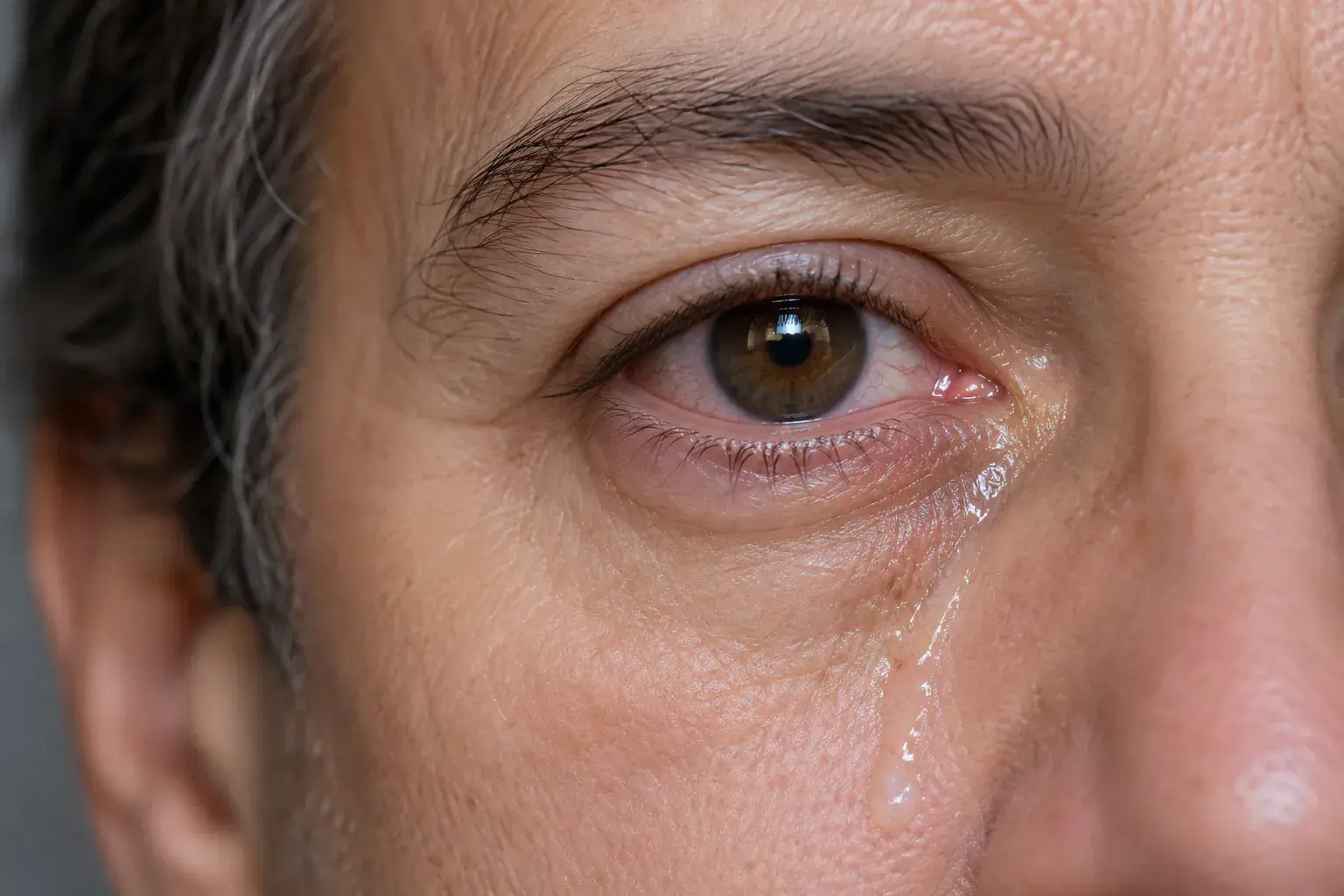
Lacrimal Duct Obstruction / Watery Eye
A tear drainage problem that can cause persistent watering.
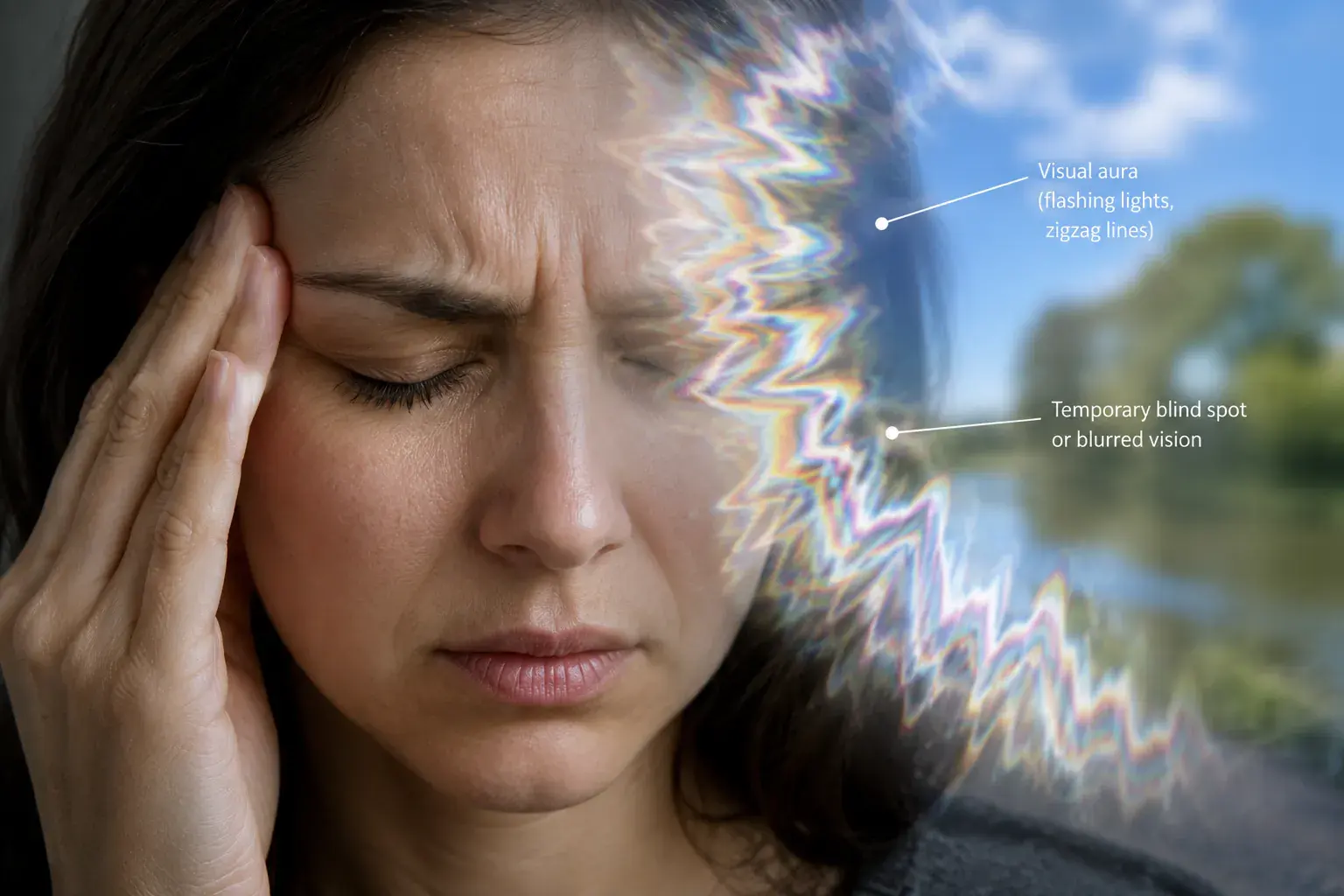
Ocular Migraine
Temporary visual patterns or shimmering that can occur with headache-type episodes.
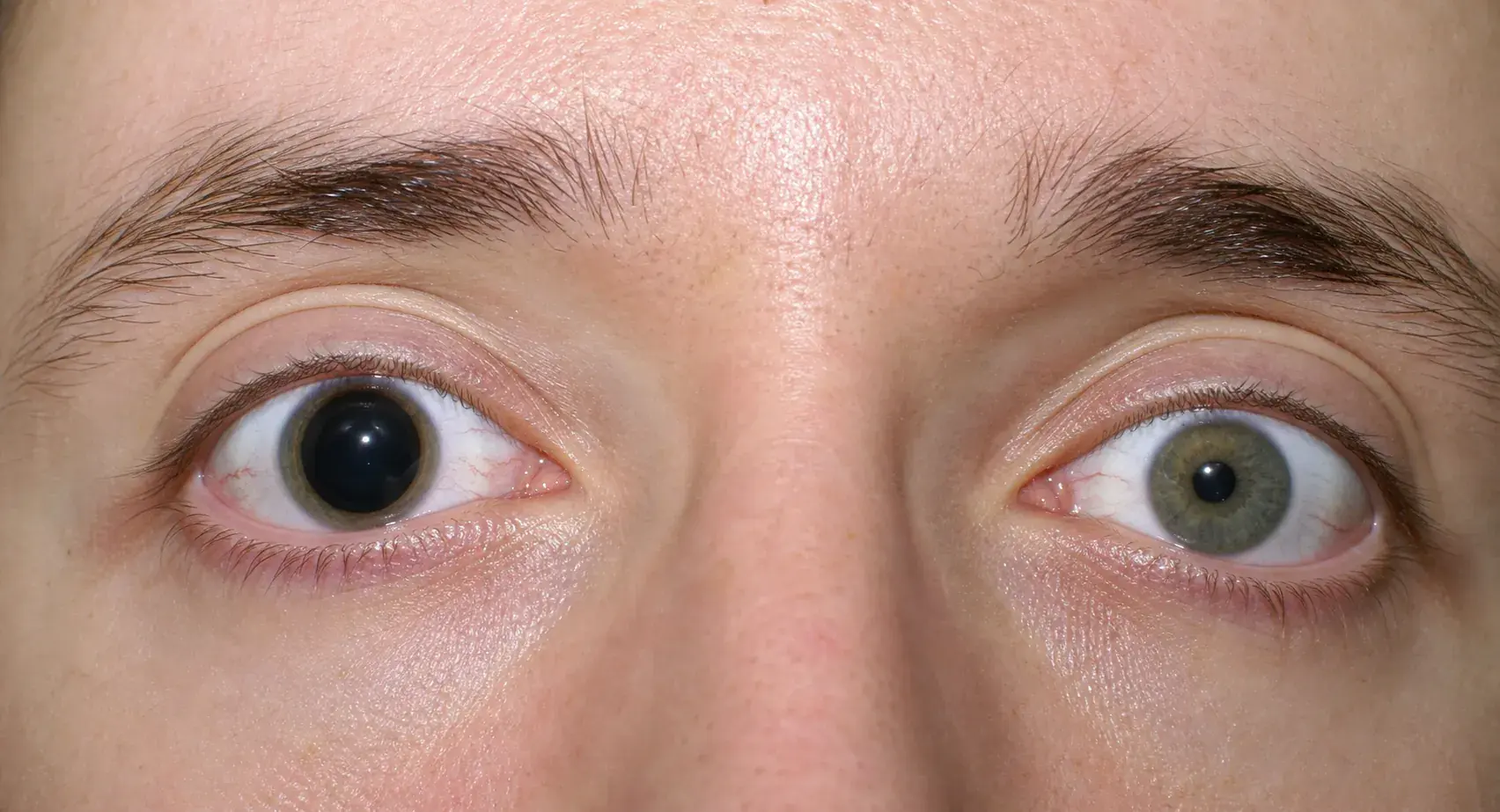
Anisocoria / Unequal Pupils
A difference in pupil size; new changes with symptoms can be urgent.
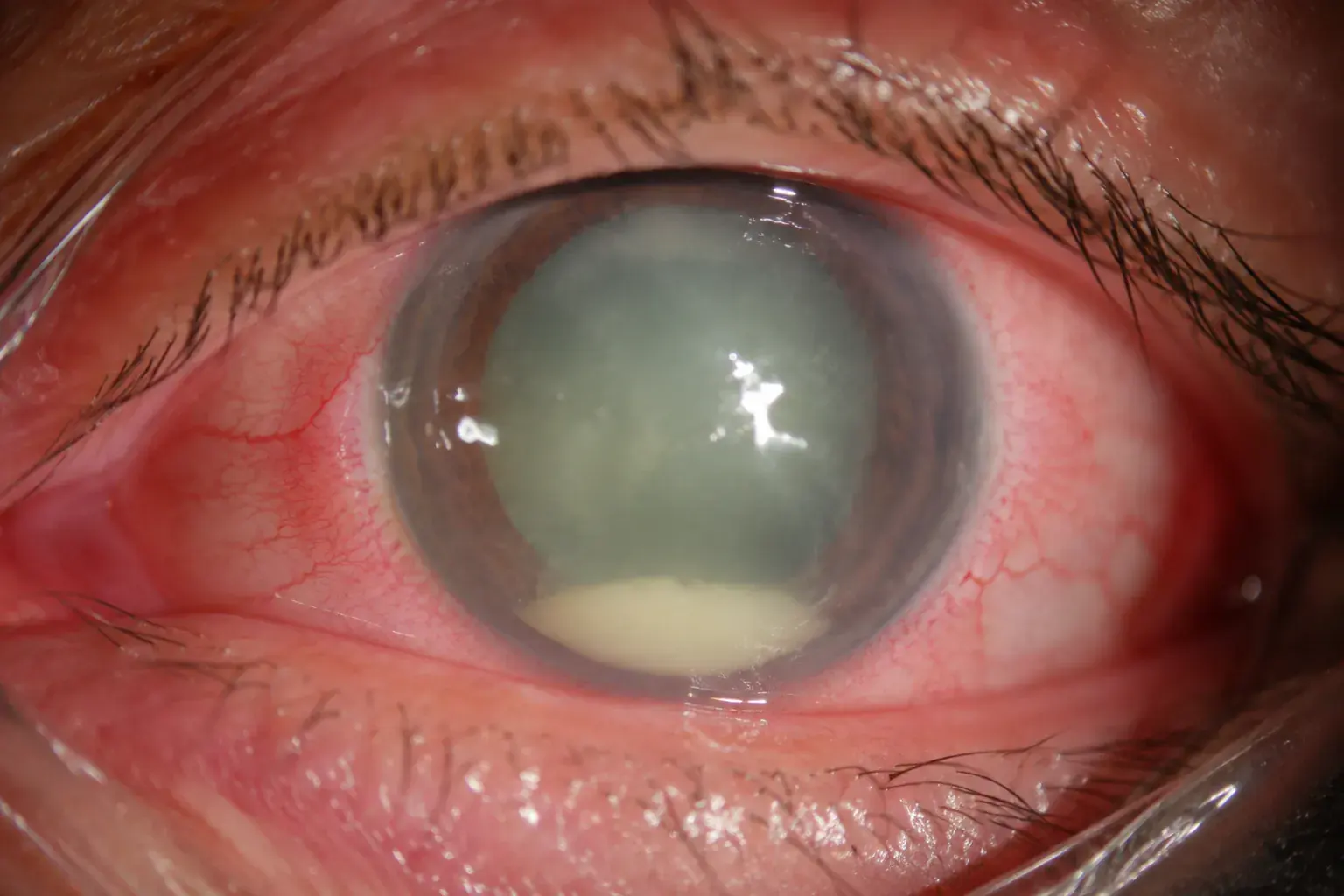
Endophthalmitis
A serious infection inside the eye, often with pain and vision change.
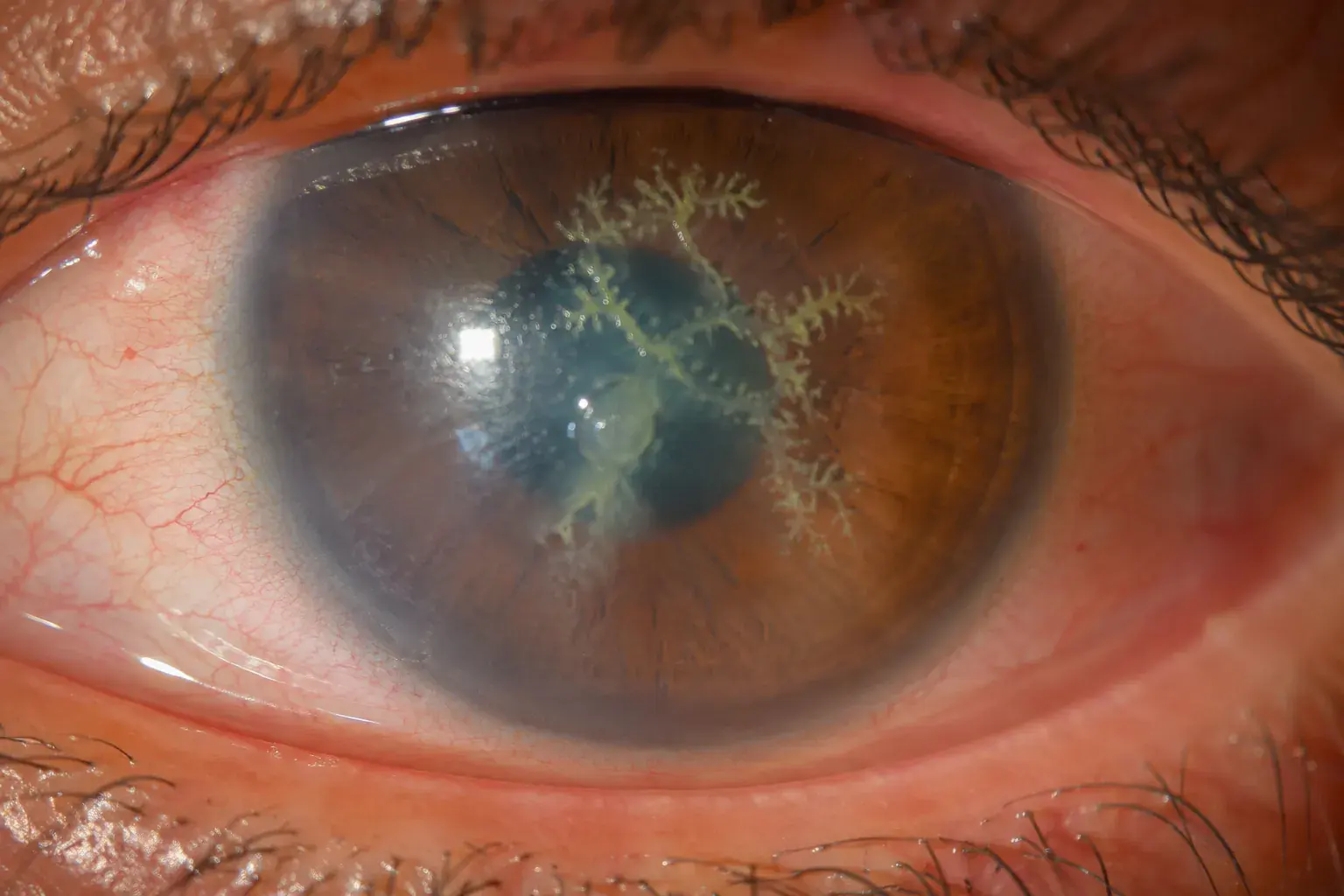
Herpes Simplex Keratitis
A cornea infection related to herpes simplex that needs professional care.
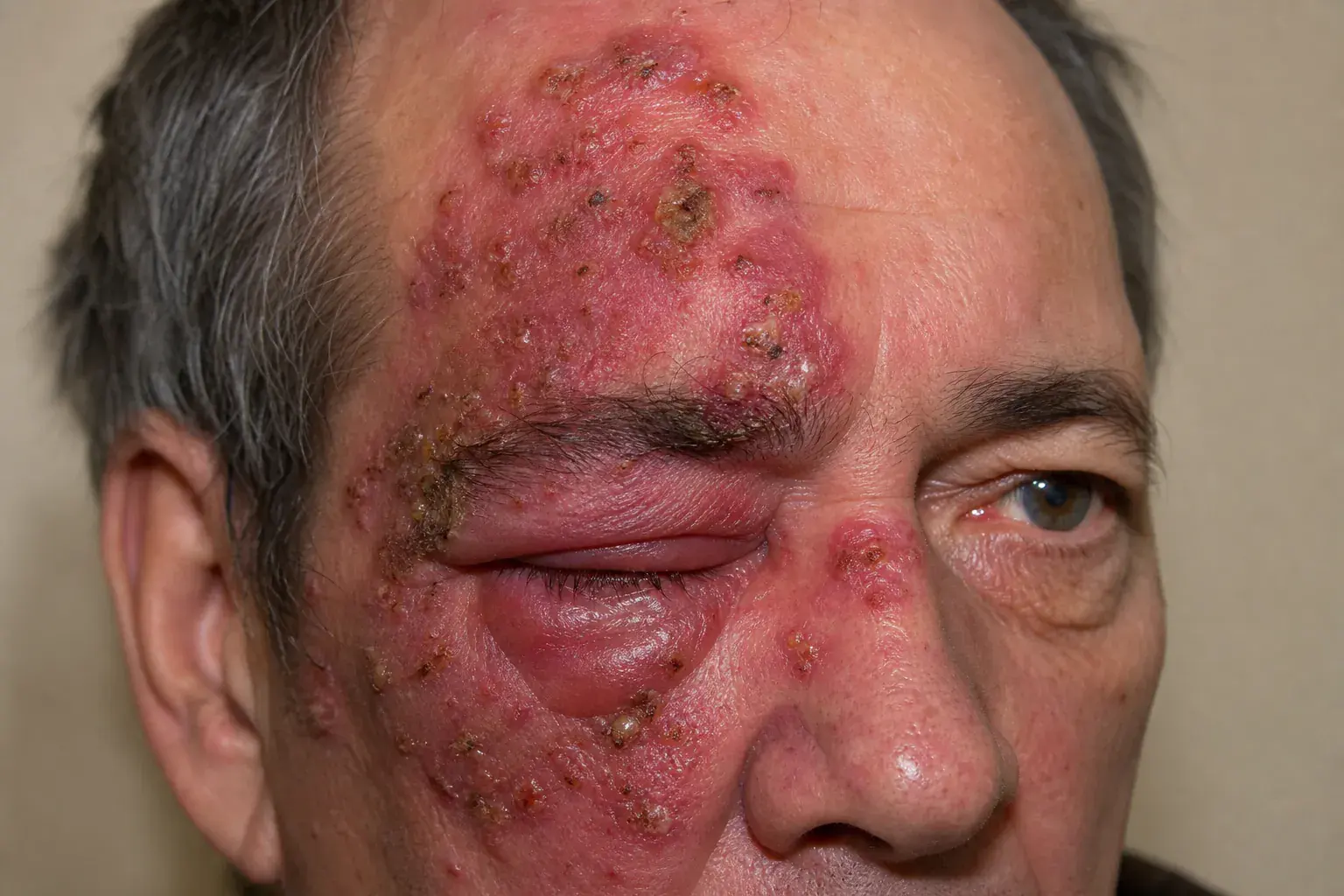
Shingles in the Eye / Herpes Zoster Ophthalmicus
Shingles around the eye can affect the eye surface or inside of the eye.
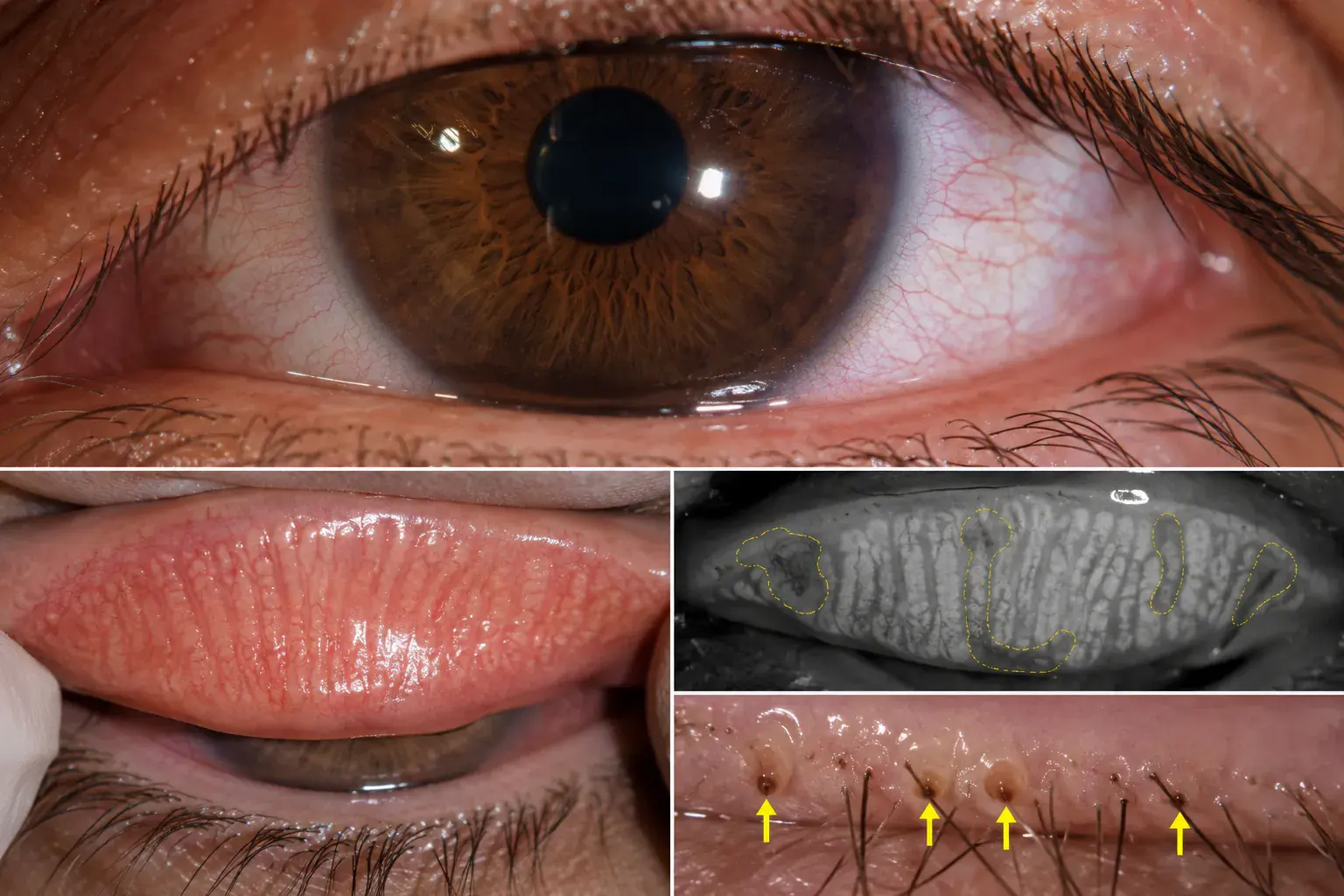
Meibomian Gland Dysfunction
Eyelid oil-gland changes that can contribute to dryness and irritation.
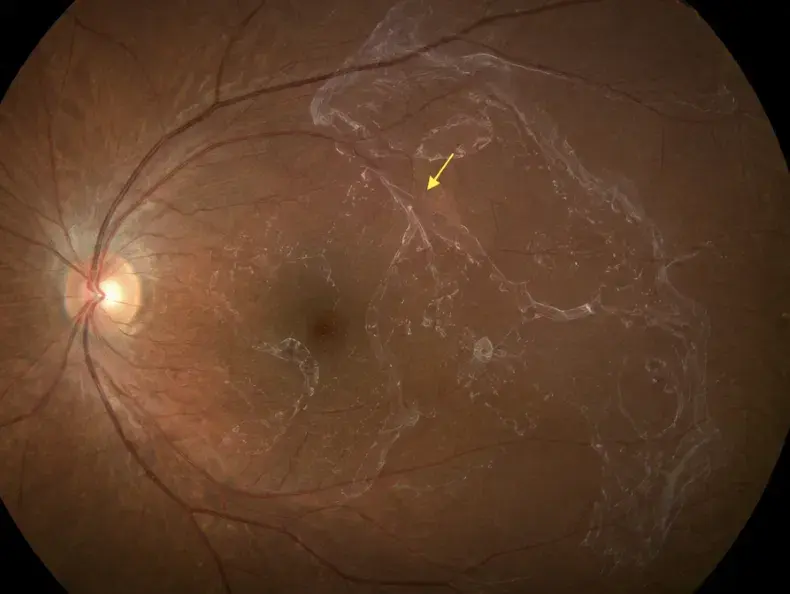
Posterior Vitreous Detachment
A vitreous gel change that can cause floaters or flashes, often needing assessment when new.
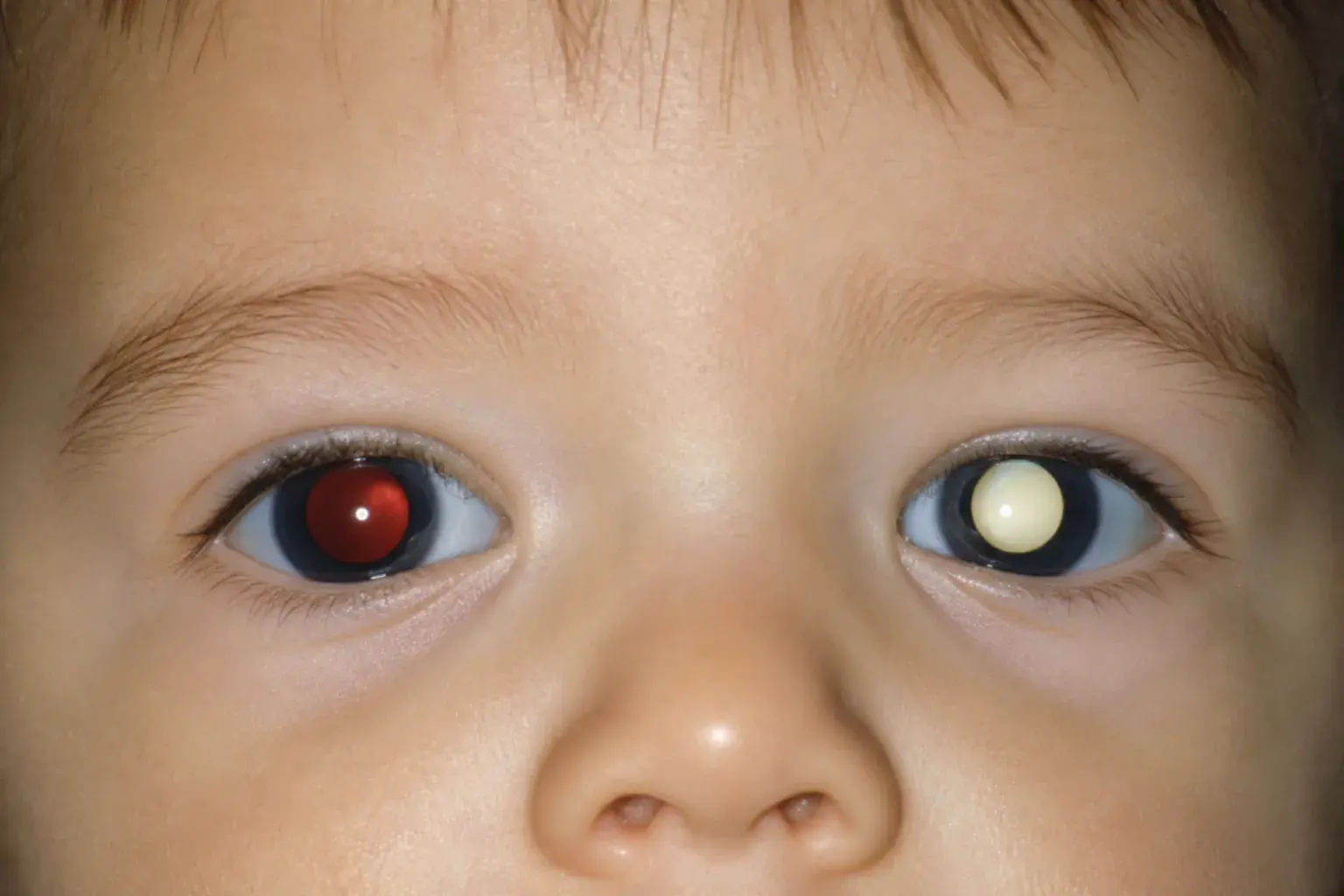
Retinoblastoma
A rare childhood eye cancer; unusual pupil reflex or eye changes need prompt professional assessment.
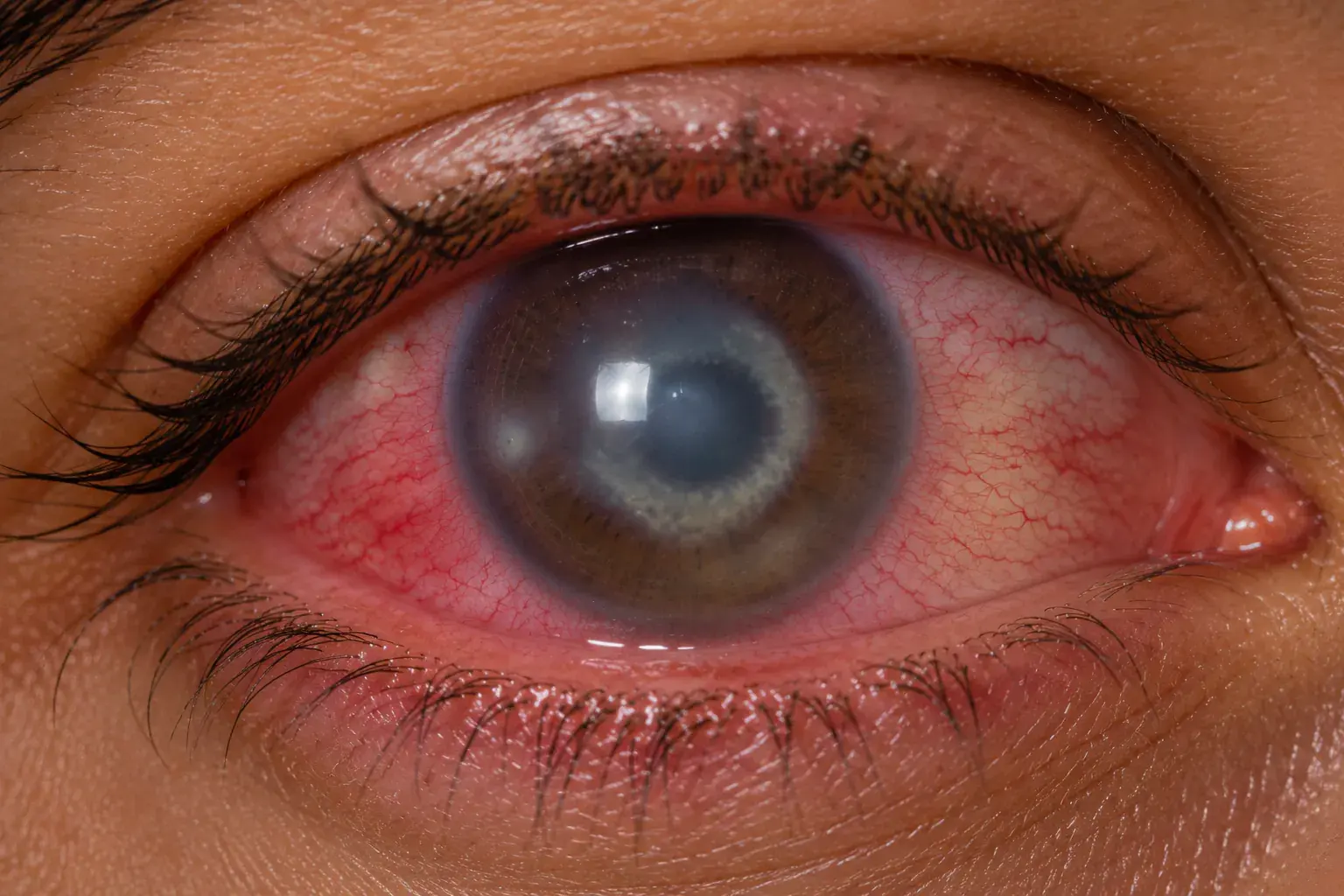
Acanthamoeba Keratitis
A rare but serious cornea infection risk linked with contact lenses and water exposure.
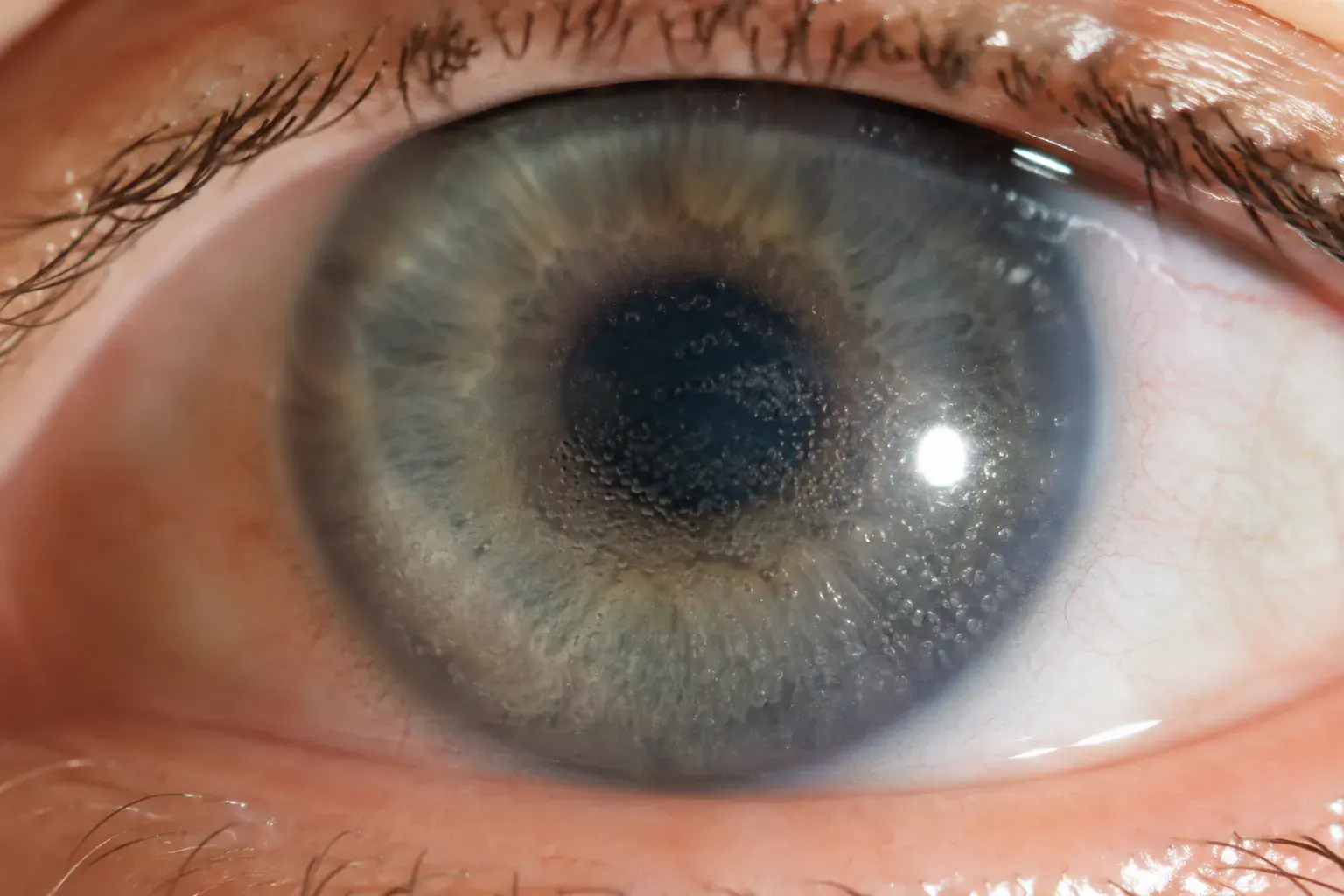
Fuchs’ Corneal Dystrophy
A cornea condition that can cause morning blur or glare.
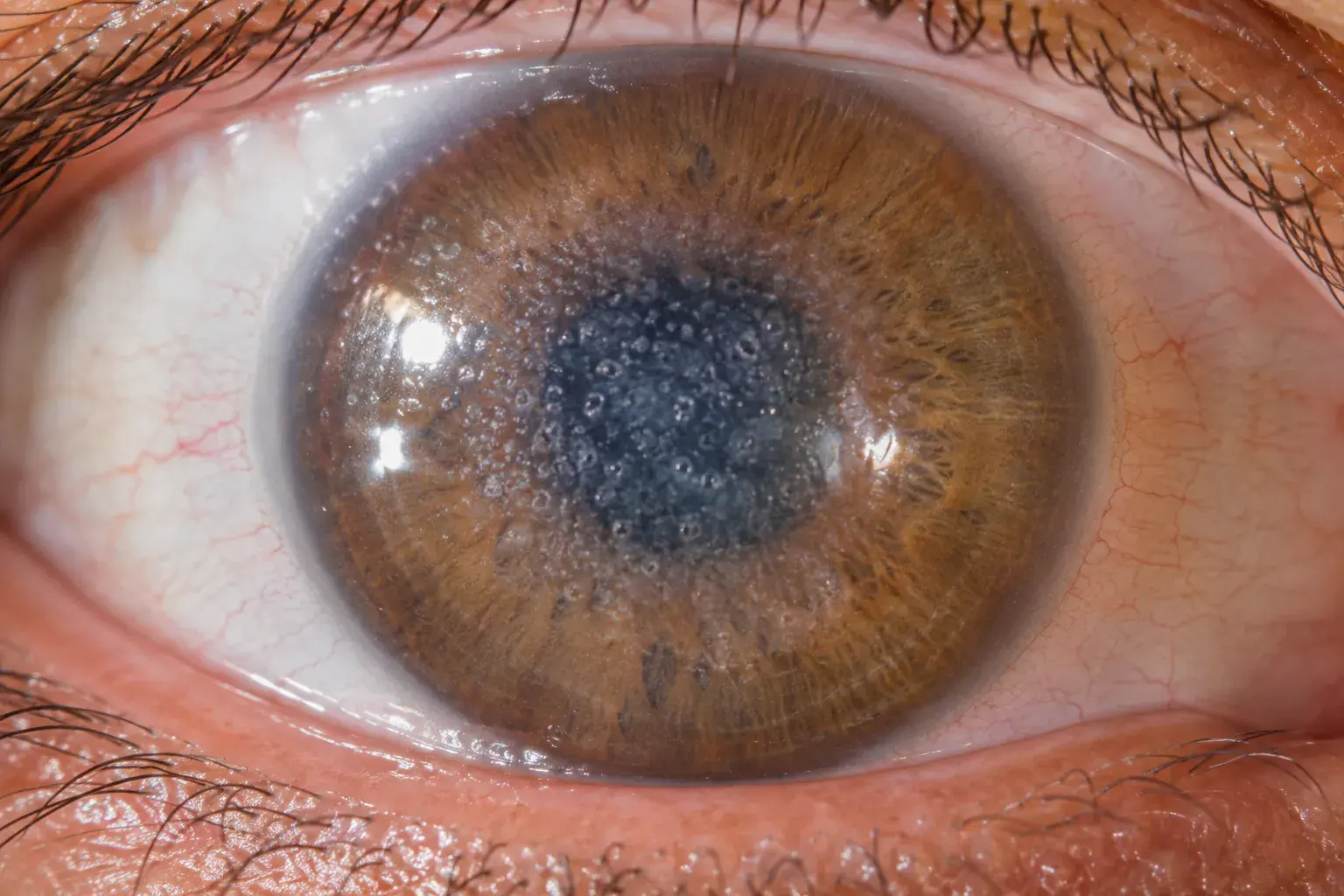
Corneal Dystrophy
A group of cornea conditions that can affect clarity or comfort.
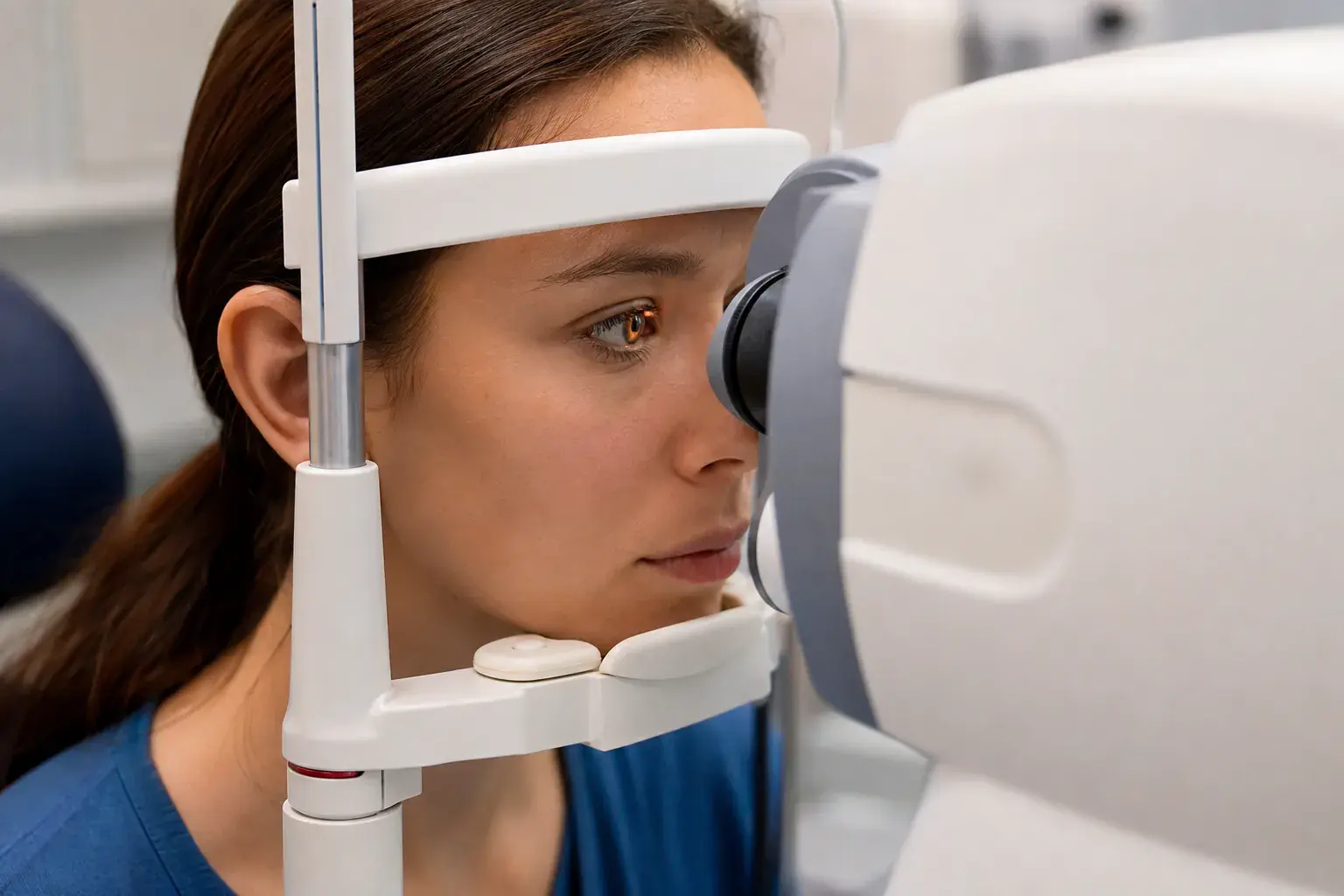
Ocular Hypertension
Higher eye pressure without obvious symptoms, monitored professionally.

Low Vision
Reduced vision that affects daily tasks even with usual glasses or lenses.

Eye Pain
Eye pain can have many causes; severe, sudden, or contact lens-related pain needs attention.
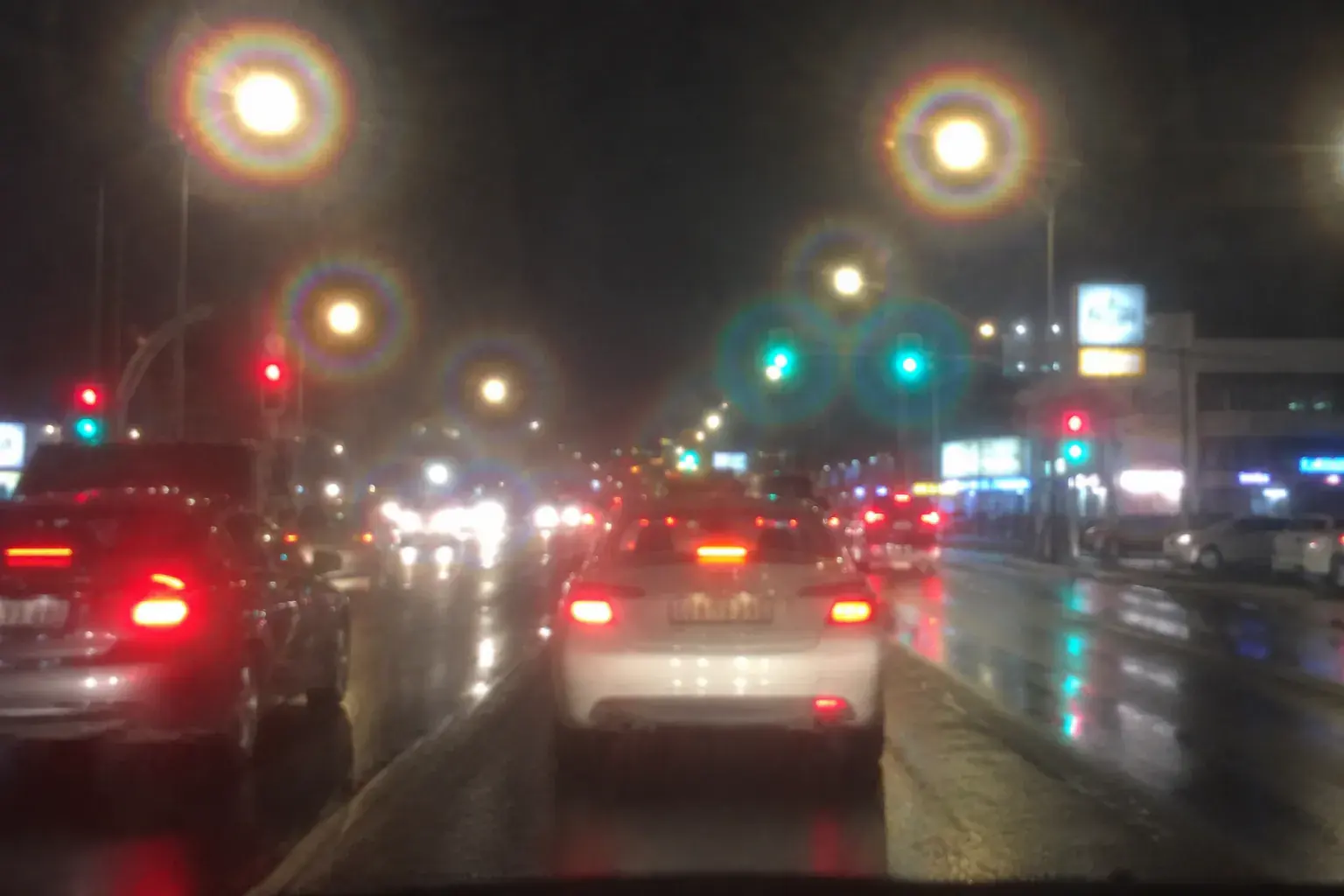
Halos Around Lights
Rings around lights can occur with glare, focus issues, or some eye concerns.
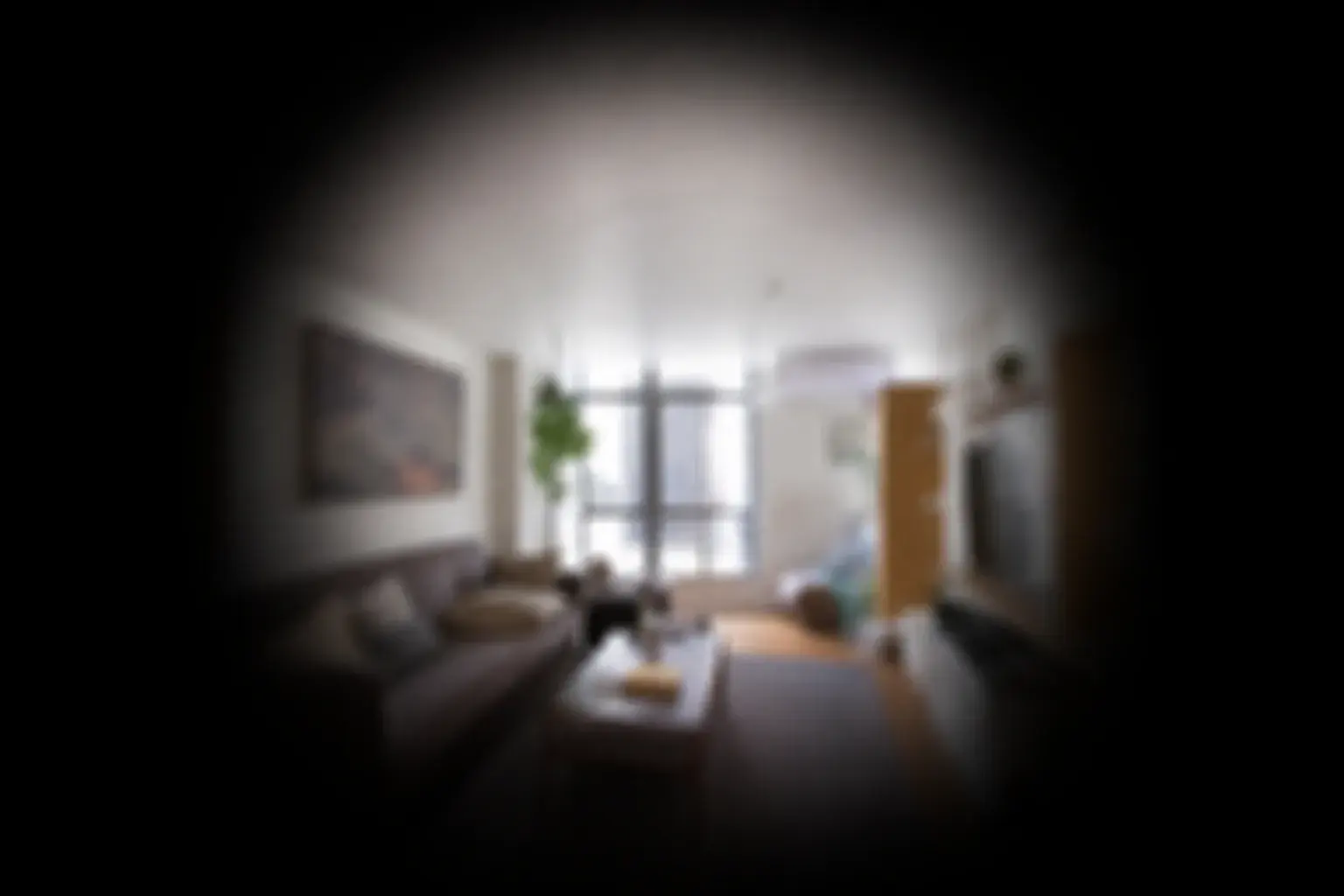
Tunnel Vision
Loss of side vision can affect awareness and should be professionally assessed.
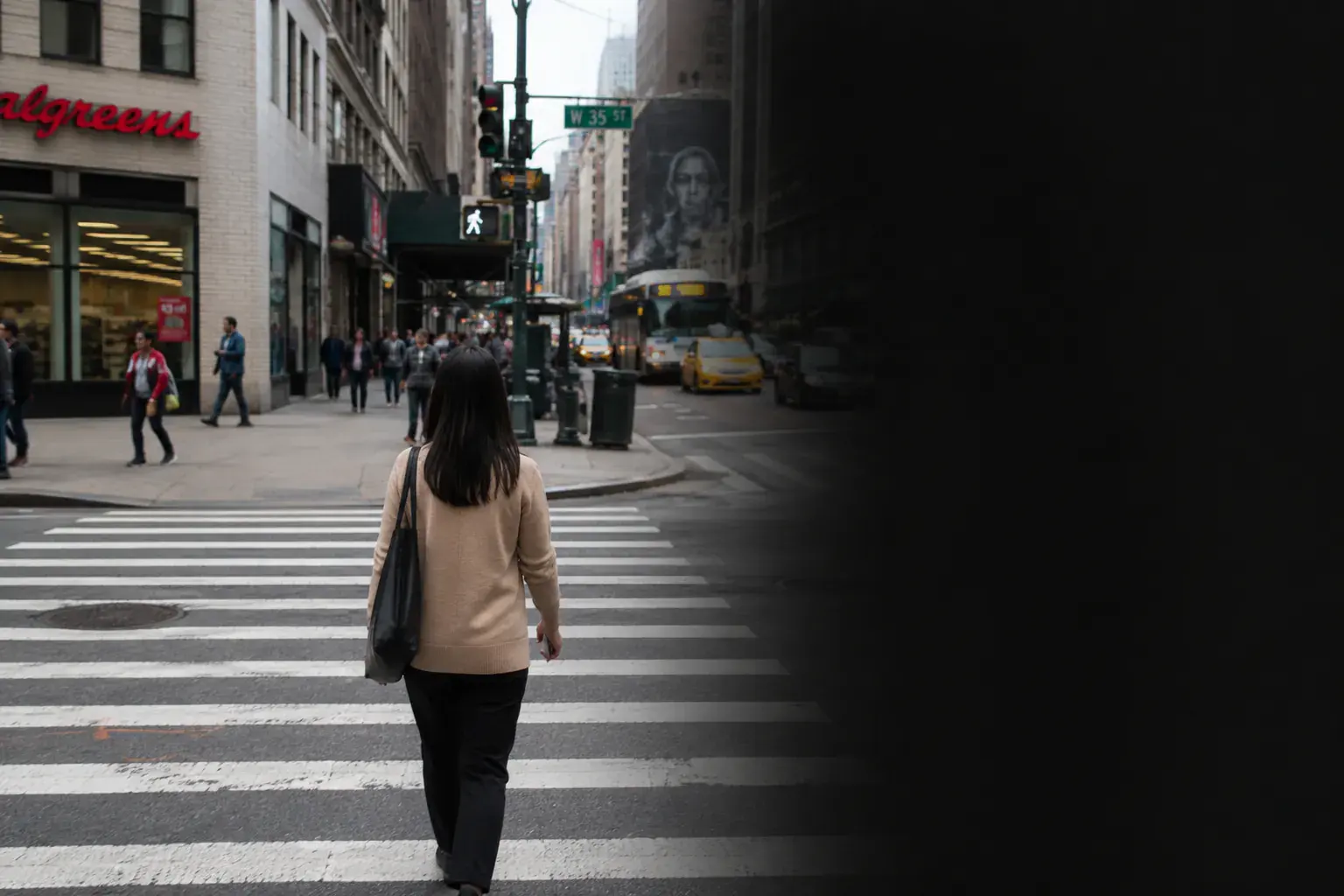
Loss of Peripheral Vision
Reduced side vision awareness can have several causes and needs accurate assessment.
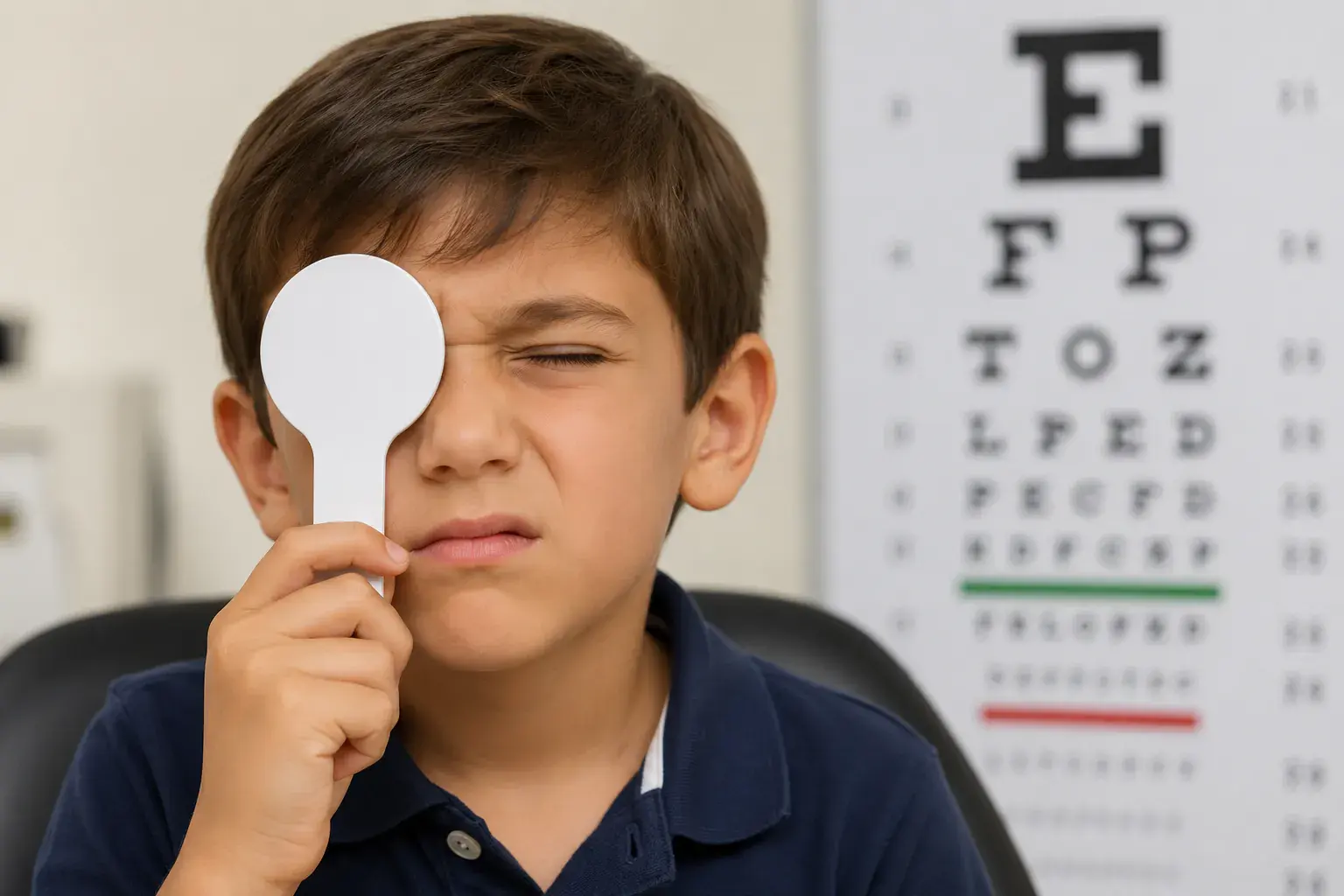
Pediatric Vision Problems
Children may show vision concerns through behavior, school difficulty, or eye alignment signs.
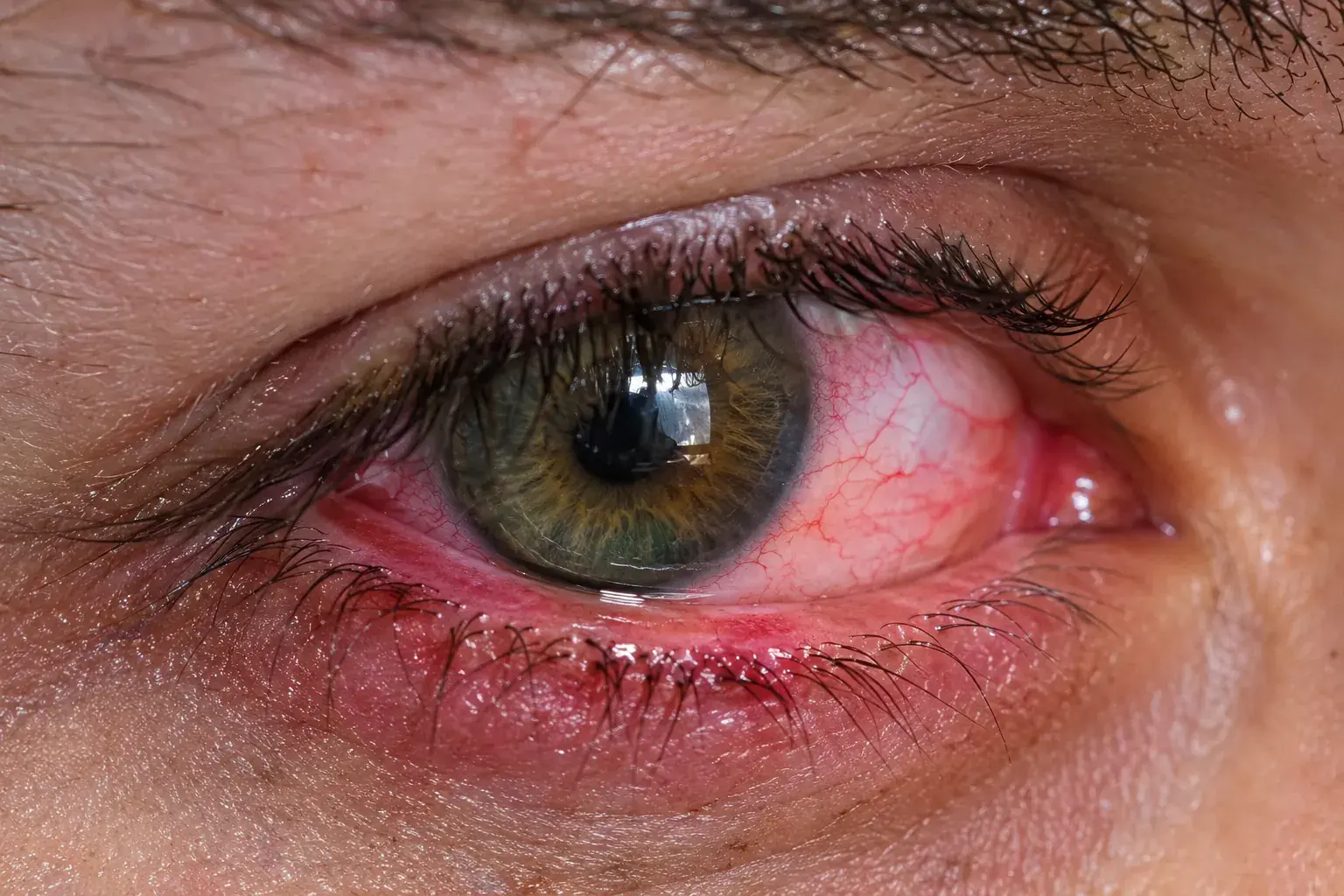
Contact Lens Complications
Contact lens discomfort, redness, pain, or blur can sometimes need prompt professional care.