
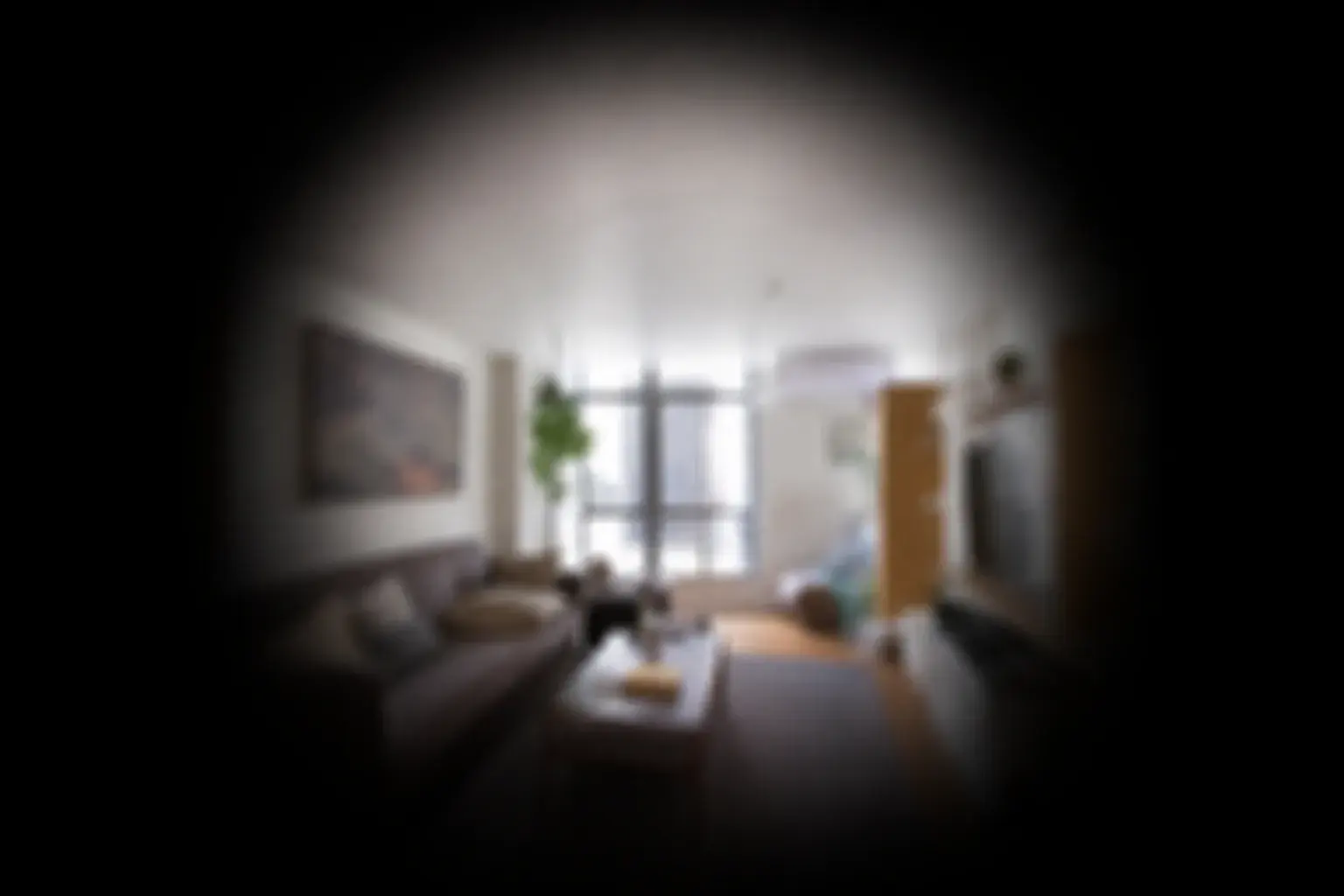
Tunnel Vision
Loss of side vision can affect awareness and should be professionally assessed.
What is it?
Tunnel vision is a loss of peripheral (side) vision while central vision remains intact. It can be caused by glaucoma, retinitis pigmentosa, or other conditions. It needs specialist assessment.
Common symptoms
- Loss of peripheral (side) vision
- Only central vision remains
- Difficulty navigating in the environment
Risk factors
- Glaucoma
- Retinitis pigmentosa
- Previous retinal disease or injury
- Neurological disorders affecting the visual pathways
- Family history of inherited retinal disorders
Prevention tips
- Attend regular eye examinations, especially if at risk for glaucoma
- Follow treatment plans for existing eye diseases
- Control systemic conditions such as diabetes and hypertension
- Seek prompt medical attention for any new visual symptoms
- Protect the eyes from injury with appropriate eyewear
Treatment overview
Treatment depends on the underlying cause. Lowering intraocular pressure is essential in glaucoma, while retinal and neurological disorders require disease-specific management. Visual rehabilitation and low vision aids may help maximise remaining vision in advanced cases.
Seek urgent care if you notice
- Sudden loss of peripheral vision
- Tunnel vision associated with headache, weakness, or difficulty speaking
- Tunnel vision accompanied by flashes, floaters, or a curtain over the vision
- Rapid worsening of vision
- Any sudden change in vision affecting daily activities
Related eye care tips
Have questions about your eyes?
This information is general education and does not replace a professional eye examination. If you are worried about your eyes, book an appointment.