ImportantVision Problems
Nystagmus
Involuntary eye movements that may affect visual comfort or clarity.
What is it?
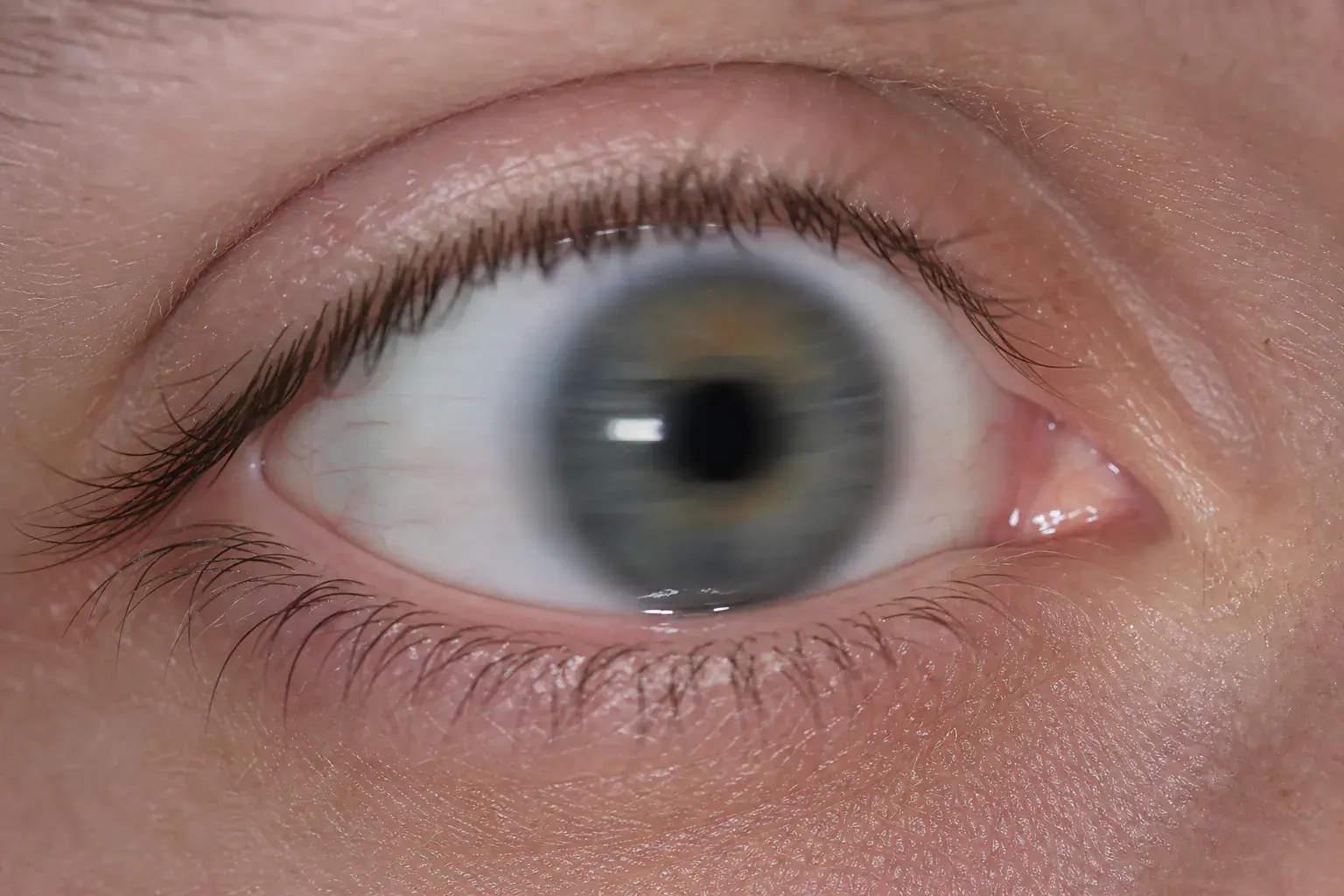
Nystagmus is repetitive, uncontrolled movement of the eyes, usually side to side. It can be present from birth or develop later. It is often associated with reduced vision and may benefit from specialist assessment.
Common symptoms
- Involuntary repetitive eye movements
- Reduced vision
- Balance difficulties
- Head nodding
Risk factors
- Congenital or inherited eye conditions
- Neurological disorders
- Albinism
- Inner ear disorders affecting balance
- Certain medications or substance misuse
Prevention tips
- Ensure appropriate follow-up for underlying eye, neurological, or balance disorders
- Seek medical attention if new or worsening involuntary eye movements develop
- Attend regular eye examinations and follow prescribed treatment plans
- Use low vision aids and safety measures when appropriate
Treatment overview
Treatment depends on the underlying cause. Some forms improve with glasses or contact lenses. Surgical treatment (Anderson-Kestenbaum procedure) may reduce the null point. Low vision support is important.
Seek urgent care if you notice
- Seek prompt medical attention if involuntary eye movements are new, worsening, or accompanied by blurred vision, double vision, dizziness, or balance problems
Related eye care tips
Have questions about your eyes?
This information is general education and does not replace a professional eye examination. If you are worried about your eyes, book an appointment.