Refractive Error
A focusing issue such as nearsightedness, farsightedness, or astigmatism.
What is it?
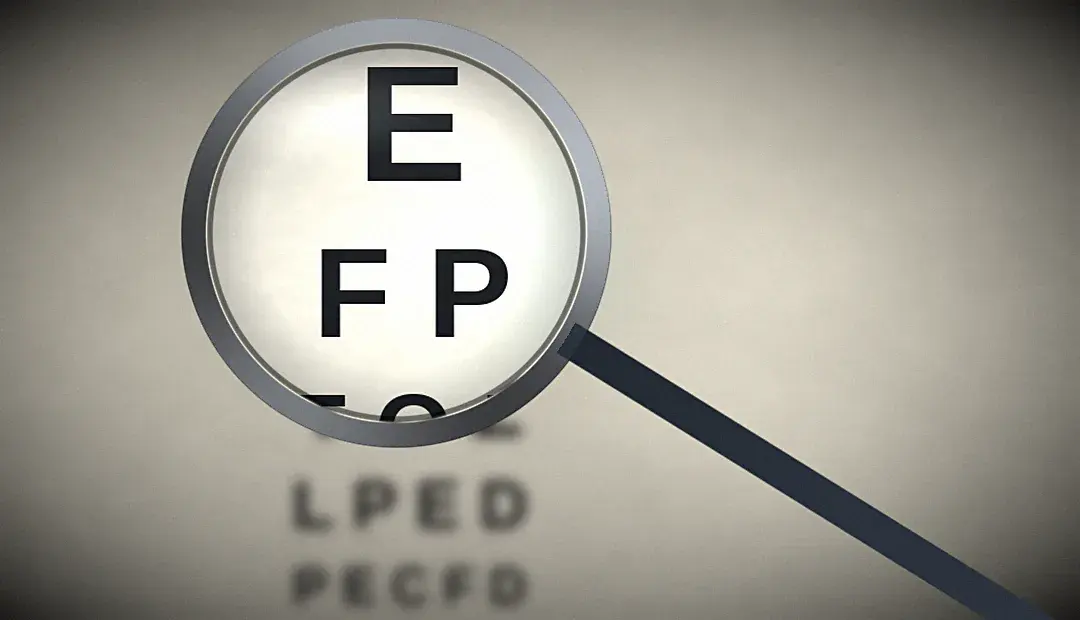
A refractive error means the eye does not focus light clearly on the retina. Common types include short-sightedness (myopia), long-sightedness (hyperopia), astigmatism, and presbyopia. Glasses or contact lenses usually correct the problem.
Common symptoms
- Blurred vision at near or distance
- Eye strain or headaches
- Squinting to see more clearly
- Difficulty seeing at night
Risk factors
- Family history
- Excessive near work (especially for myopia)
- Age-related changes (presbyopia after age 40)
- Certain medical conditions
Prevention tips
- Have regular eye examinations to keep prescriptions up to date
- Encourage children to spend time outdoors to reduce myopia risk
- Use appropriate lighting when reading
Treatment overview
Glasses and contact lenses are the standard treatment. Refractive surgery such as LASIK or PRK, and implantable collamer lenses (ICL), may provide long-term correction in suitable candidates. This includes myopia, hyperopia, astigmatism, and presbyopia.
Seek urgent care if you notice
- Sudden or severe vision change not explained by usual glasses
Related eye care tips
Have questions about your eyes?
This information is general education and does not replace a professional eye examination. If you are worried about your eyes, book an appointment.